
Social media has become one of the biggest drivers of business growth for companies of every size.
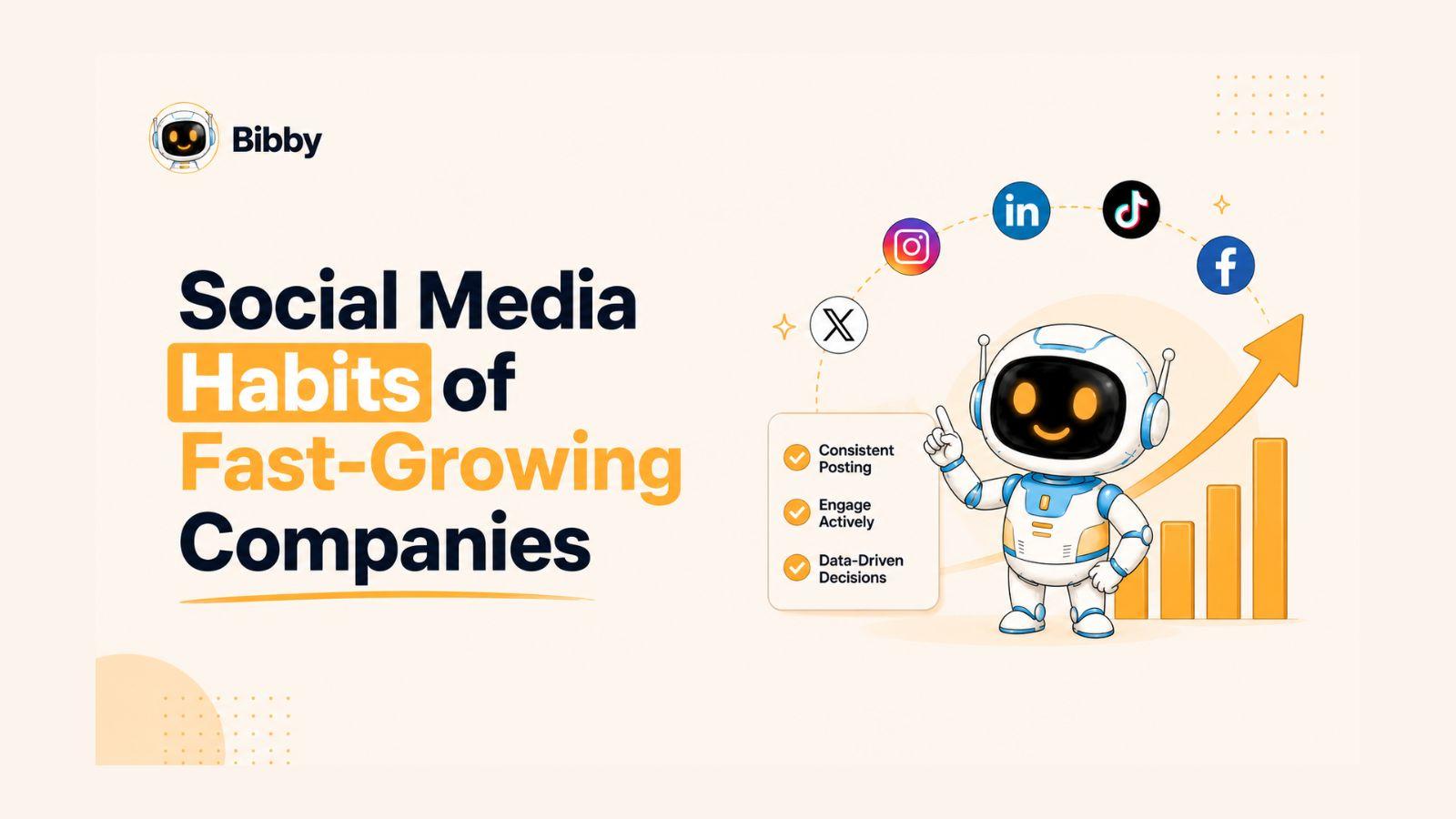
The fastest-growing companies don't succeed on social media by posting randomly or chasing every trend. Instead, they follow consistent habits, use data to guide decisions, and leverage AI and automation to create high-quality content efficiently. Whether you're a startup, small business, or established brand, adopting these proven practices can help you build a stronger online presence and achieve sustainable growth.
In this article, you will learn:
- The social media habits shared by today's fastest-growing companies.
- How AI and automation simplify content creation and publishing.
- A practical workflow to grow consistently across every major platform.
Let's explore the habits that help high-growth businesses turn social media into a predictable engine for brand awareness, engagement, and long-term success.
Why Social Media Matters More Than Ever
Social media is no longer just a place to share updates—it's where customers discover brands, compare products, read reviews, and decide who they trust. For fast-growing companies, social platforms have become essential channels for building relationships, generating leads, and driving revenue.
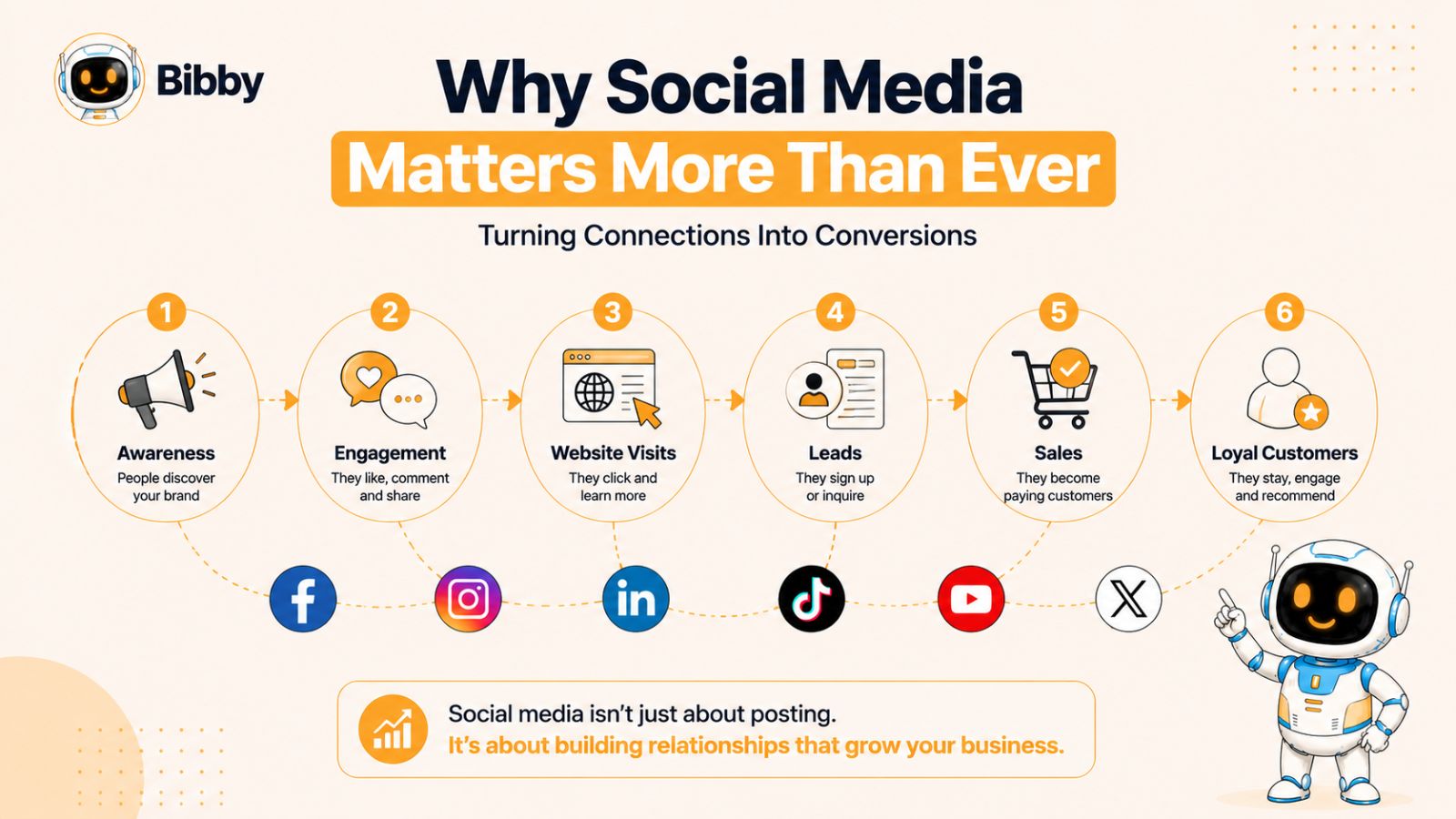
Businesses that invest in a thoughtful social media strategy often gain several competitive advantages:
- Greater brand awareness: Consistent, valuable content keeps your brand visible and top of mind for potential customers.
- Higher customer engagement: Responding to comments, messages, and conversations builds stronger relationships and encourages loyalty.
- More website traffic: Educational posts, videos, and compelling calls to action can direct qualified visitors to your website.
- Improved lead generation: Social media helps businesses connect with prospects earlier in the buying journey through organic content and targeted campaigns.
- Stronger customer trust: Sharing customer stories, behind-the-scenes content, and helpful resources demonstrates authenticity and expertise.
Why Consistency Beats Going Viral
Many businesses focus on creating one viral post, hoping it will transform their growth overnight. While viral content can generate a temporary spike in attention, it rarely creates lasting business results on its own.
Fast-growing companies take a different approach. They prioritize showing up consistently with content that educates, entertains, inspires, or solves real problems for their audience. Over time, this steady approach builds credibility, increases engagement, and creates a loyal community that is more likely to become paying customers.
Consistency also gives businesses more opportunities to learn what resonates with their audience. By reviewing performance regularly and refining their content strategy, they improve with every post rather than relying on unpredictable viral moments.
The companies that grow the fastest aren't necessarily the ones with the biggest social media budgets—they're the ones that consistently deliver value and stay connected with their audience over the long term.
Also read: The Complete Checklist for Managing Social Media with AI (2026 Guide) →
Habit #1: They Have a Clear Content Strategy
One of the defining social media habits of fast-growing companies is that they never create content without a plan. Every post has a purpose, whether it's building brand awareness, educating potential customers, generating leads, or strengthening customer relationships.
Instead of posting whatever comes to mind, successful businesses develop a content strategy that aligns with their overall marketing and business goals. This approach ensures every piece of content contributes to long-term growth rather than simply filling a publishing schedule.
They Know Exactly Who They're Talking To
High-growth companies invest time in understanding their target audience. They identify who their ideal customers are, what challenges they face, and the type of content they enjoy consuming on each platform.
By creating detailed customer personas, businesses can answer important questions such as:
- What problems are customers trying to solve?
- Which social media platforms do they use most?
- What type of content captures their attention?
- What motivates them to engage or make a purchase?
When you understand your audience, it's much easier to create content that feels relevant and valuable.
They Develop a Consistent Brand Voice
Fast-growing brands are instantly recognizable because they communicate consistently across every platform. Whether someone discovers them on LinkedIn, Instagram, Facebook, TikTok, or YouTube, the messaging, tone, and personality feel familiar.
Your brand voice might be:
- Professional and educational
- Friendly and conversational
- Inspirational and motivational
- Bold and humorous
The key is consistency. A clear brand voice helps build trust and makes your content more memorable.
They Build Content Around Core Pillars
Rather than creating random posts every day, successful companies organize their content into a handful of core themes, often called content pillars. These pillars keep content focused while making planning much easier.
For example, a SaaS company might use content pillars such as:
- Educational tips and tutorials
- Product updates and new features
- Customer success stories
- Industry trends and insights
- Company culture and behind-the-scenes content
With clear content pillars, brainstorming becomes simpler, and audiences know what kind of value they can expect from your brand.
They Set Measurable Goals
Fast-growing companies don't judge success by follower count alone. Instead, they track metrics that support real business growth.
Common social media goals include:
- Increasing engagement rates
- Growing website traffic
- Generating qualified leads
- Driving product sales
- Improving customer retention
- Building brand awareness
Each campaign has clear objectives, and performance is measured regularly to identify what works and what can be improved.
Turn Strategy Into a Repeatable Process
A great content strategy doesn't need to be complicated. Once your audience, content pillars, brand voice, and goals are clearly defined, creating social media content becomes faster and more consistent.
Many growing businesses also simplify execution with AI-powered tools like Bibby. Instead of juggling multiple apps, teams can upload an image—or generate one with AI—choose a posting style, let Bibby create platform-specific captions, and schedule content across Facebook, Instagram, LinkedIn, YouTube, and TikTok. With AI-optimized posting times, support for videos and stories, and built-in analytics, businesses can maintain a consistent presence while spending less time on repetitive tasks and more time creating value for their audience.
Habit #2: They Post Consistently
If there's one habit that separates fast-growing companies from businesses that struggle to gain traction, it's consistency. The most successful brands don't disappear for weeks and then flood their audience with content. Instead, they maintain a predictable publishing schedule that keeps them visible and relevant.
Social media algorithms reward active creators, but more importantly, consistent posting helps build trust with your audience. When people regularly see helpful, entertaining, or educational content from your brand, they're more likely to remember you when they need your product or service.
Consistency Matters More Than Frequency
Many businesses believe they need to post multiple times a day to succeed. In reality, posting five high-quality pieces of content each week often produces better results than publishing several low-value posts every day.
A realistic schedule is one your team can maintain over the long term. Whether you post three times a week or once a day, consistency creates momentum. Over time, every post contributes to greater visibility, stronger engagement, and a growing library of evergreen content that continues to attract new audiences.
Create a Publishing Calendar
Fast-growing companies rarely decide what to post at the last minute. Instead, they plan their content in advance using a monthly or weekly content calendar.
A publishing calendar helps businesses:
- Maintain a consistent posting schedule.
- Balance promotional and educational content.
- Coordinate campaigns across multiple platforms.
- Reduce last-minute stress.
- Ensure seasonal events and product launches are covered.
Planning ahead also gives teams more time to create higher-quality visuals, write compelling captions, and review content before it goes live.
Repurpose Content Across Multiple Platforms
Successful companies understand that one great idea can become many pieces of content. Rather than creating everything from scratch, they adapt existing content for different platforms and audiences.
For example, a single blog post can be transformed into:
- A LinkedIn thought leadership post.
- An Instagram carousel highlighting key insights.
- A short TikTok or Instagram Reel.
- A YouTube Short.
- A Facebook post with a discussion question.
- An infographic summarizing the main points.
This approach saves time while maximizing the reach of every content asset.
Schedule Content in Advance
Manual posting may work for a small number of updates, but it quickly becomes difficult as your business grows. Fast-growing companies rely on scheduling tools to ensure content is published consistently, even during weekends, holidays, or busy workdays.
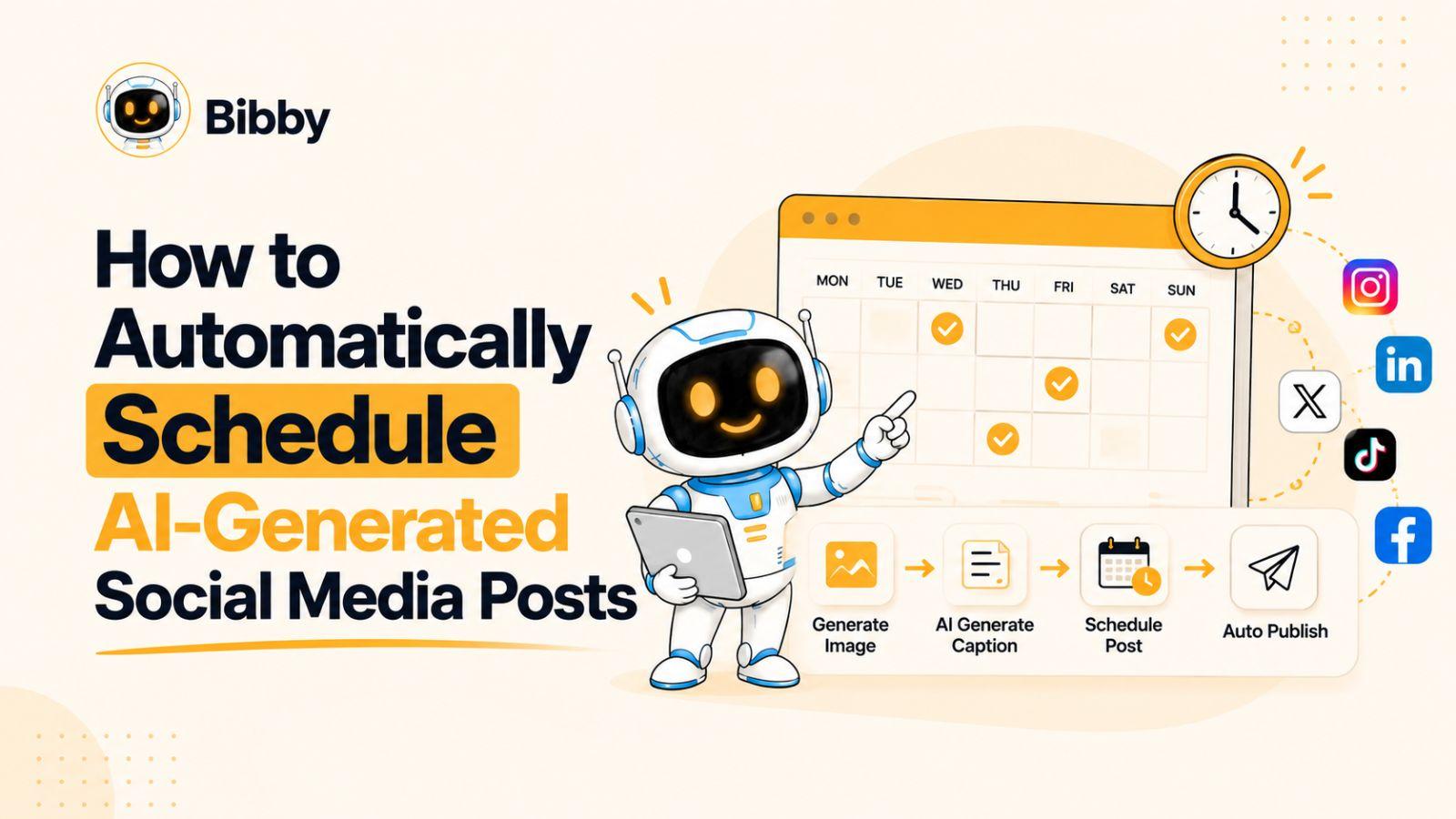
An AI-powered platform like Bibby makes this process even more efficient. After uploading your own image or generating one with AI, you can choose a posting style, and Bibby automatically creates engaging captions tailored to your content. From there, it schedules posts at AI-optimized times across Facebook, Instagram, LinkedIn, YouTube, and TikTok.
Because Bibby also supports videos, stories, and built-in analytics, businesses can manage their entire social media workflow from one place instead of switching between multiple tools. This allows marketing teams to focus on creating better content while automation handles the repetitive work of publishing.
Build Habits That Last
Consistency isn't about working harder—it's about building systems that make regular posting easy. By planning ahead, repurposing content, and using automation where it makes sense, fast-growing companies stay active on social media without overwhelming their teams.
Over months and years, this disciplined approach compounds into stronger brand recognition, higher engagement, and sustainable business growth.
Also read: Employee Advocacy Automation: The Complete Guide to Scaling Social Media in 2026 →
Habit #3: They Use AI to Create Better Content Faster
Fast-growing companies understand that creating high-quality content consistently can be challenging. Between brainstorming ideas, designing visuals, writing captions, editing videos, and publishing across multiple platforms, social media can quickly become a full-time job.
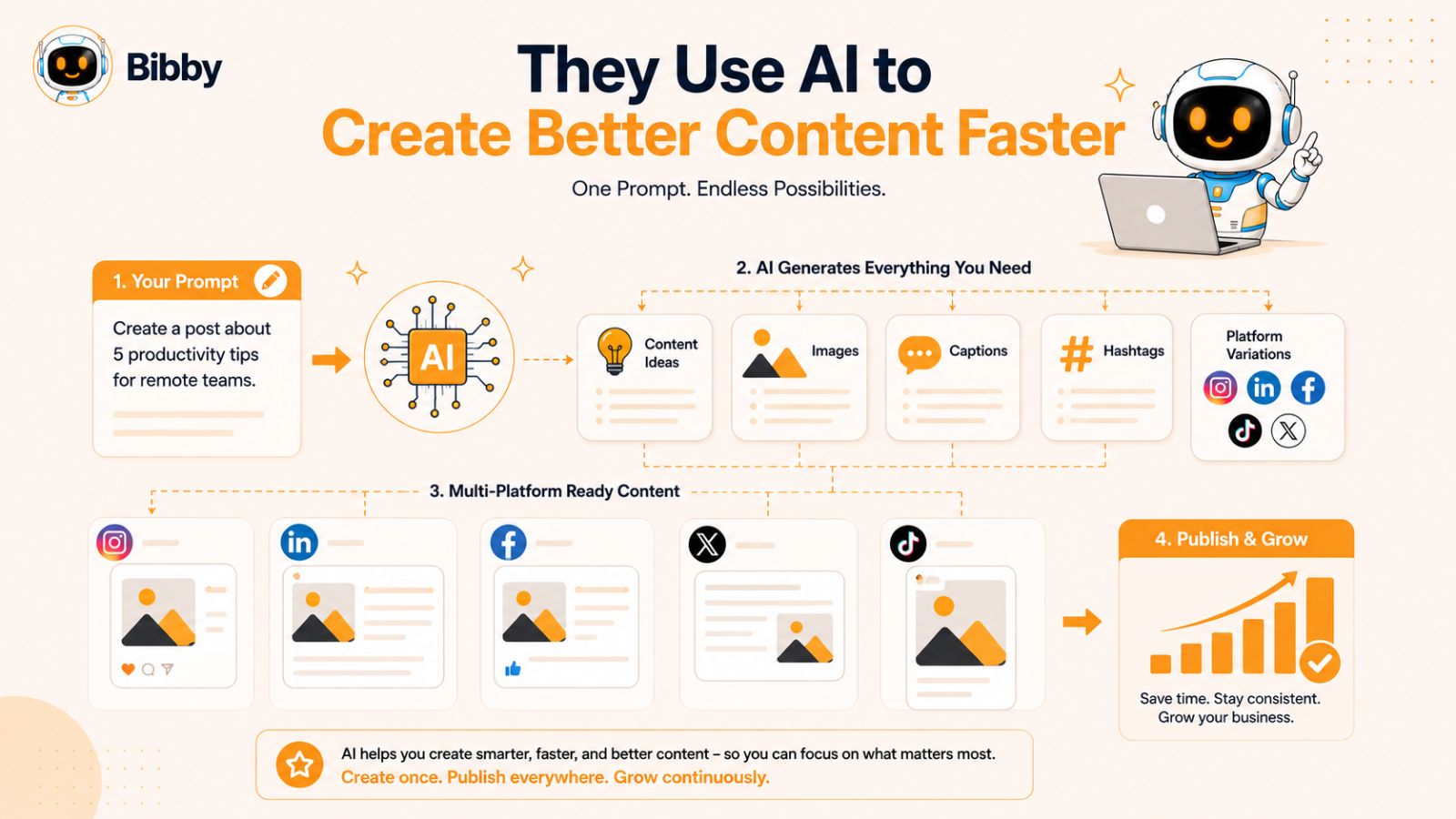
That's why many successful businesses are embracing artificial intelligence—not to replace creativity, but to make their teams more productive. AI helps marketers spend less time on repetitive tasks and more time developing strategies that connect with their audience.
AI Helps Generate Fresh Content Ideas
One of the biggest challenges in social media marketing is deciding what to post next. AI can analyze trends, customer interests, and previous content performance to generate new ideas that align with your audience's preferences.
Instead of staring at a blank screen, marketers can use AI to brainstorm:
- Educational post ideas
- Industry insights
- Seasonal campaigns
- Product promotion concepts
- Customer engagement questions
- Video and Reel topics
This accelerates content planning and helps maintain a consistent publishing schedule.
AI Makes Content Creation Faster
Creating visuals and writing compelling captions often take more time than businesses expect. AI streamlines these tasks by assisting with both design and copywriting.
Modern AI tools can help you:
- Generate original images from text prompts.
- Suggest headline ideas.
- Write engaging captions.
- Create multiple caption variations for different platforms.
- Recommend relevant hashtags.
- Adjust tone for different audiences.
Rather than replacing human creativity, AI gives marketers a strong first draft that they can refine to match their brand voice.
Personalization at Scale
Fast-growing companies know that audiences on LinkedIn, Instagram, Facebook, TikTok, and YouTube all respond differently. AI makes it easier to adapt messaging for each platform without starting from scratch every time.
For example, the same product announcement can become:
- A professional LinkedIn update.
- A storytelling Instagram caption.
- A short, engaging TikTok description.
- A community-focused Facebook post.
- A search-friendly YouTube video description.
This platform-specific approach improves engagement while keeping your messaging consistent.
AI Works Best Alongside Human Creativity
Although AI is a powerful assistant, the most successful companies don't rely on it blindly. They review every piece of content, add their unique expertise, and ensure it reflects their brand values.
The best-performing posts often combine AI efficiency with authentic human experiences, customer stories, and industry knowledge that no algorithm can replicate.
Simplify the Entire Workflow with AI
Many businesses use separate tools for writing captions, creating images, scheduling posts, and analyzing results. As companies grow, managing multiple platforms can become time-consuming and inefficient.
An all-in-one solution like Bibby brings these tasks together into a simple workflow. You can upload your own image or generate one with AI, choose your preferred posting style, and let Bibby automatically create engaging captions. It then schedules your content across Facebook, Instagram, LinkedIn, YouTube, and TikTok at AI-optimized posting times.
Beyond scheduling, Bibby supports videos, stories, and performance analytics, making it easier to monitor results and refine your strategy. By reducing repetitive work, businesses can focus on creating meaningful content, engaging with their community, and scaling their social media presence more effectively.
Also read: How to Create a Social Media Funnel That Actually Converts (Step-by-Step Guide) →
Habit #4: They Automate Their Social Media Workflow
As businesses grow, so does the amount of work required to maintain an active social media presence. Managing multiple platforms, creating fresh content, responding to engagement, and publishing at the right times can quickly overwhelm even experienced marketing teams.
That's why fast-growing companies treat automation as a competitive advantage. Instead of spending hours on repetitive tasks, they build workflows that keep content moving while allowing their teams to focus on strategy, creativity, and customer engagement.
Why Manual Posting Doesn't Scale
Posting manually might be manageable when you're active on one platform. But once your business expands to Facebook, Instagram, LinkedIn, YouTube, and TikTok, the process becomes far more complicated.
Manual publishing often leads to:
- Missed posting opportunities
- Inconsistent publishing schedules
- Last-minute content creation
- Increased risk of errors
- More time spent switching between platforms
- Less time available for strategy and community engagement
Automation eliminates these bottlenecks by centralizing content management and ensuring posts are published on time, even when your team is busy.
Build a Simple, Repeatable Workflow
Fast-growing companies don't rely on complex processes. They create streamlined systems that anyone on the team can follow.
A simple workflow often looks like this:
- Plan content themes for the month.
- Create or collect photos and videos.
- Generate additional visuals with AI when needed.
- Write or refine captions.
- Schedule content across all relevant platforms.
- Review analytics and optimize future posts.
When this process is repeated consistently, social media becomes more predictable and far less stressful.
Manage Everything from One Place
Using separate tools for design, caption writing, scheduling, publishing, and analytics creates unnecessary complexity. High-growth companies increasingly prefer all-in-one platforms that simplify every step of the workflow.
Bibby is designed around this philosophy. Instead of jumping between multiple apps, users can:
- Upload their own images or generate new visuals with AI.
- Select a posting style that matches their brand voice.
- Automatically generate engaging captions.
- Schedule content across Facebook, Instagram, LinkedIn, YouTube, and TikTok.
- Publish photos, videos, and stories from one dashboard.
- Let AI recommend the best posting times for maximum visibility.
- Track performance with built-in analytics to understand what works best.
This streamlined approach helps businesses stay consistent while reducing the manual effort involved in day-to-day social media management.
Automation Doesn't Replace Authenticity
Some businesses worry that automation makes their social media feel robotic. In reality, automation simply handles repetitive administrative work. Your team still controls the creative direction, messaging, and interactions with your audience.
Think of automation as an assistant rather than a replacement. It ensures your content reaches the right audience at the right time, while your team focuses on building relationships, answering questions, and creating content that resonates.
Scale Without Increasing Your Workload
One of the biggest advantages of automation is that it grows with your business. Whether you're managing five posts a week or fifty, a well-designed workflow keeps your social media organized and efficient.
As your company expands to new platforms, launches new products, or enters new markets, having an automated system in place allows you to maintain consistency without dramatically increasing your workload. That's one of the key social media habits that separates fast-growing companies from those that struggle to keep up.
Also read: The Complete Guide to Cross-Posting on Social Media (2026 Guide) →
Habit #5: They Focus on Quality Instead of Quantity
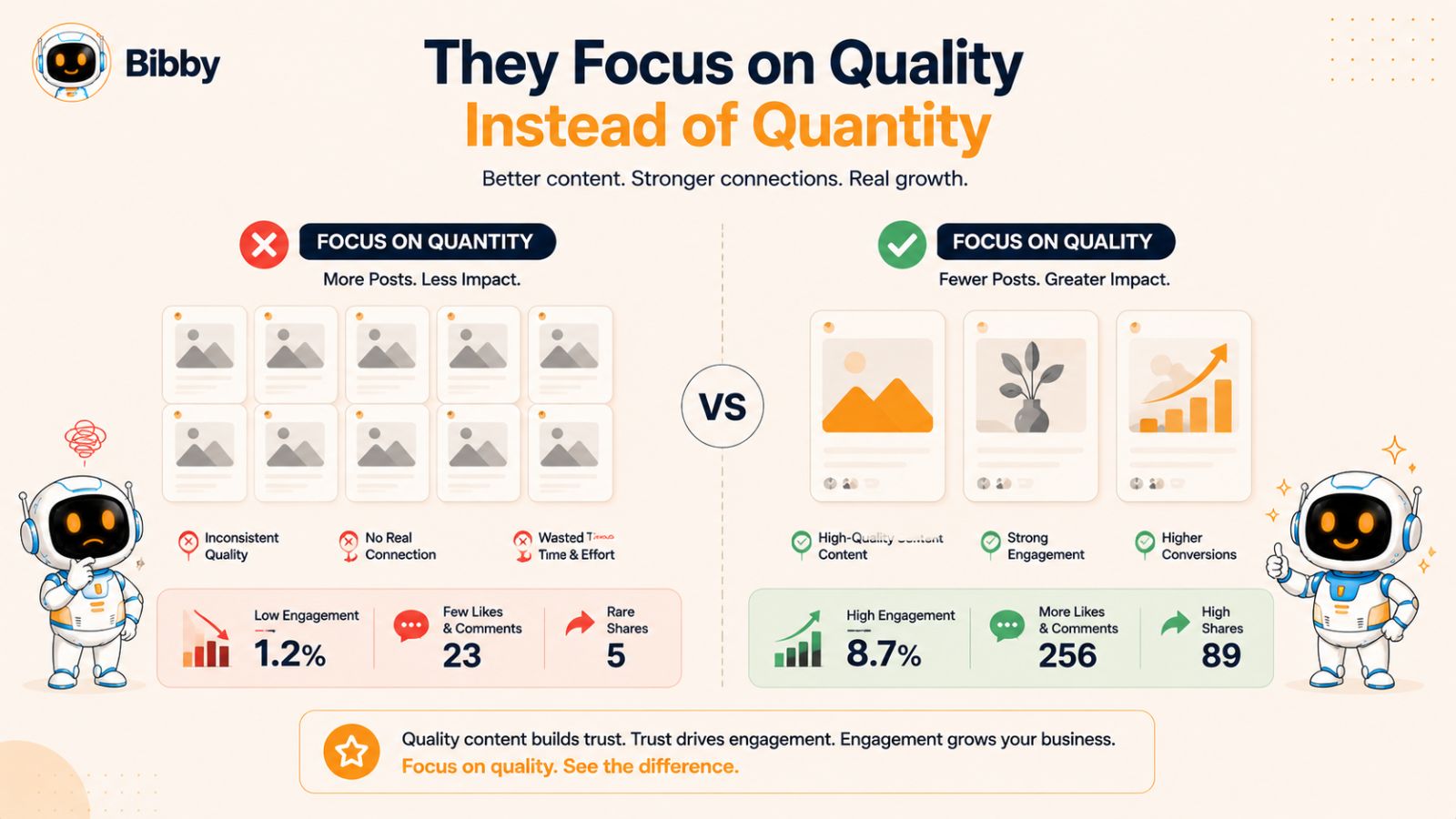
Many businesses believe that posting more content automatically leads to better results. In reality, fast-growing companies understand that quality consistently outperforms quantity. One valuable post that educates, inspires, or solves a problem can generate far more engagement than dozens of low-effort updates.
Instead of trying to fill every day with content, successful brands invest their time in creating posts that deliver genuine value. Every image, video, carousel, story, or caption has a clear purpose and speaks directly to the needs of their audience.
They Educate Their Audience
Educational content is one of the most effective ways to build trust and establish authority. When businesses consistently teach their audience something useful, they become a go-to resource within their industry.
Examples of educational content include:
- Step-by-step tutorials
- Industry tips and best practices
- Common mistakes to avoid
- Product walkthroughs
- Frequently asked questions
- How-to videos
Helpful content is also more likely to be saved and shared, extending its reach beyond your existing followers.
They Tell Stories Instead of Just Selling
People connect with stories far more than sales pitches. Fast-growing companies use storytelling to make their brand more relatable and memorable.
Story-driven content might include:
- Customer success stories
- Behind-the-scenes moments
- Founder journeys
- Team highlights
- Product development stories
- Lessons learned from challenges
These stories create emotional connections that strengthen customer loyalty over time.
They Invest in High-Quality Visuals
Social media is a visual-first environment. Clear, professional images and engaging videos immediately capture attention and encourage users to stop scrolling.
That doesn't mean every business needs a professional production studio. Today's AI-powered design tools make it easier than ever to create polished visuals that match your brand identity.
Whether you're sharing product photos, infographics, short-form videos, or educational carousels, maintaining a consistent visual style helps reinforce brand recognition.
They Balance Different Content Types
Rather than constantly promoting products or services, successful companies mix different types of content to keep their audience engaged.
A balanced content strategy often includes:
- Educational posts
- Entertaining content
- Industry news and trends
- Customer testimonials
- Behind-the-scenes updates
- Promotional offers
- Community-focused conversations
This variety keeps your social media feeds fresh while providing value to followers at every stage of the customer journey.
Quality Becomes Easier with the Right Workflow
Creating high-quality content doesn't have to mean spending countless hours on every post. Businesses with efficient workflows can maintain high standards without sacrificing consistency.
For example, after creating or uploading an image, Bibby can generate captions that match your chosen posting style, helping marketers spend less time writing and more time refining their message. Once everything is ready, content can be scheduled across Facebook, Instagram, LinkedIn, YouTube, and TikTok at AI-optimized times, ensuring high-quality posts reach audiences consistently.
Aim to Be Valuable, Not Just Visible
Fast-growing companies know that every post represents their brand. Instead of asking, "How can we post more?" they ask, "How can we help our audience today?"
That shift in mindset leads to content that earns attention, encourages engagement, builds trust, and ultimately supports long-term business growth. When every post delivers value, quality naturally becomes one of your greatest competitive advantages.
Also read: 20 LinkedIn Post Formats That Drive Engagement in 2026 (With Examples) →
Habit #6: They Analyze Performance Every Week
Creating great content is only half the equation. Fast-growing companies regularly measure performance to understand what resonates with their audience and what needs improvement. Instead of relying on assumptions, they make decisions based on real data.
Reviewing analytics every week helps businesses identify successful content, spot emerging trends, and adjust their strategy before small issues become bigger problems.
They Track the Metrics That Matter
While follower count can indicate audience growth, it doesn't tell the full story. High-growth companies focus on metrics that reflect meaningful engagement and business impact.
Some of the most valuable social media metrics include:
- Engagement Rate: Measures likes, comments, shares, and saves relative to your audience size.
- Reach: Shows how many unique users have seen your content.
- Impressions: Indicates how often your content has been displayed.
- Click-Through Rate (CTR): Reveals how many users clicked your links after viewing a post.
- Website Traffic: Tracks visitors coming from your social media channels.
- Lead Generation: Measures inquiries, sign-ups, or downloads driven by social media.
- Conversions: Evaluates how many social media visitors became paying customers.
By monitoring these metrics consistently, businesses can focus on activities that contribute to real growth rather than vanity metrics.
They Identify Their Best-Performing Content
Every successful post offers valuable insights. Fast-growing companies review their top-performing content to understand why it worked.
They often ask questions such as:
- Which topics generated the most engagement?
- What type of visuals attracted the most attention?
- Which captions encouraged comments and shares?
- Did short-form videos outperform static images?
- Which platform delivered the strongest results?
The answers help shape future content strategies, making each month more effective than the last.
They Test, Learn, and Optimize
Social media trends and algorithms evolve constantly, so successful companies treat every post as an opportunity to learn.
They regularly experiment with:
- Different headline styles
- Caption lengths
- Posting times
- Content formats
- Calls to action
- Video durations
- Hashtag strategies
Small improvements made consistently can lead to significant increases in engagement and reach over time.
Use Analytics to Improve Every Campaign
Collecting data is valuable only if you act on it. High-growth businesses use analytics to refine their content calendar, allocate resources more effectively, and invest in the strategies that deliver the strongest return.
Platforms like Bibby simplify this process by bringing analytics into the same dashboard used for content creation and scheduling. Instead of switching between multiple platform insights, marketers can monitor performance, identify trends, and use those insights to improve future posts. Combined with AI-assisted caption generation and AI-optimized scheduling, this creates a continuous cycle of planning, publishing, measuring, and improving.
Data Drives Sustainable Growth
The fastest-growing companies don't guess what their audience wants—they measure it. By reviewing performance every week and making informed adjustments, they consistently create better content, strengthen audience relationships, and maximize the return on their social media efforts.
The goal isn't to chase perfect numbers. It's to learn from every campaign and use those insights to build a smarter, more effective social media strategy over time.
Habit #7: They Adapt Content for Every Platform
One of the biggest mistakes businesses make is publishing the exact same post on every social media platform. While this approach may save time, it rarely delivers the best results because each platform has its own audience, content formats, and user expectations.
Fast-growing companies understand that successful social media marketing isn't about creating entirely different content for every channel—it's about adapting the same core message to fit each platform.
LinkedIn: Share Professional Insights
LinkedIn users typically look for educational, industry-focused, and career-related content. Businesses that perform well on LinkedIn often publish:
- Thought leadership articles
- Industry trends and insights
- Business success stories
- Case studies
- Company updates
- Professional tips and advice
A conversational yet professional tone usually performs better than overly promotional content.
Instagram: Focus on Visual Storytelling
Instagram is built around compelling visuals. High-quality photos, carousels, Reels, and Stories help brands capture attention and encourage engagement.
Popular Instagram content includes:
- Behind-the-scenes moments
- Product showcases
- Before-and-after transformations
- Educational carousels
- Reels with quick tips
- User-generated content
Captions should complement the visuals by telling a story or encouraging interaction.
Facebook: Build Community
Facebook remains an effective platform for building relationships with existing customers and local communities.
Content that performs well includes:
- Community discussions
- Customer testimonials
- Live videos
- Event announcements
- Educational videos
- Blog post promotions
Businesses that actively respond to comments and participate in conversations often see stronger engagement.
TikTok: Prioritize Authenticity
TikTok rewards creativity and authenticity more than polished production. Short, engaging videos that educate or entertain often outperform highly produced advertisements.
Popular TikTok formats include:
- Quick tutorials
- Product demonstrations
- Behind-the-scenes clips
- Industry myths and facts
- Trends adapted to your niche
- Day-in-the-life videos
Keeping videos concise and engaging improves watch time and shareability.
YouTube: Create Evergreen Value
YouTube gives businesses the opportunity to build long-term visibility through searchable video content.
Effective YouTube content includes:
- In-depth tutorials
- Product demonstrations
- Customer success stories
- Webinars
- Interviews
- Educational series
- YouTube Shorts for quick tips
Unlike many social platforms, YouTube content can continue generating views and leads months or even years after publication.
One Idea, Multiple Formats
Fast-growing companies don't reinvent the wheel for every platform. Instead, they repurpose one strong content idea into several platform-specific formats.
For example, a blog post can become:
- A LinkedIn article summarizing key insights.
- An Instagram carousel with visual takeaways.
- A Facebook discussion post.
- A TikTok video highlighting one actionable tip.
- A YouTube Short explaining the main concept.
This strategy increases content output while reducing the time and effort required to create fresh material.
Simplify Multi-Platform Publishing
Adapting content for different platforms doesn't have to involve managing multiple publishing tools. Bibby helps streamline the process by allowing businesses to create content once and distribute it across Facebook, Instagram, LinkedIn, YouTube, and TikTok from a single dashboard. With AI-generated captions, flexible posting styles, AI-optimized scheduling, and support for images, videos, and stories, teams can tailor their content for each platform while maintaining an efficient workflow.
Meet Your Audience Where They Are
Every social platform serves a different purpose, and your audience's expectations change from one channel to another. By adapting your content instead of copying and pasting it everywhere, you create a better experience for followers, improve engagement, and maximize the impact of every piece of content you publish.
For fast-growing companies, platform-specific content isn't extra work—it's a smarter way to get better results from the same ideas.
Also read: How to Manage Multiple Brands on Social Media Efficiently (Complete 2026 Guide) →
Habit #8: They Build Communities, Not Just Followers
Having thousands of followers may look impressive, but follower count alone doesn't guarantee business growth. Fast-growing companies understand that a loyal, engaged community is far more valuable than a large audience that rarely interacts with their content.
Communities create conversations, encourage recommendations, and foster long-term relationships. When customers feel connected to a brand, they're more likely to become repeat buyers and enthusiastic advocates.
They Respond to Comments and Messages
Successful brands don't treat social media as a one-way broadcasting channel. They actively engage with their audience by responding to comments, answering questions, and participating in conversations.
Simple actions like these can make a significant difference:
- Reply to comments promptly.
- Answer direct messages professionally.
- Thank customers for positive feedback.
- Address concerns with empathy and transparency.
- Join relevant conversations within your industry.
These interactions show that there are real people behind the brand, helping to build trust and credibility.
They Encourage User-Generated Content
One of the most powerful forms of social proof is content created by customers themselves. User-generated content (UGC) demonstrates that real people enjoy and trust your products or services.
Businesses can encourage UGC by:
- Creating branded hashtags.
- Running photo or video contests.
- Featuring customer testimonials.
- Reposting customer content (with permission).
- Highlighting customer success stories.
Sharing customer-created content not only strengthens relationships but also provides authentic marketing material that resonates with new audiences.
They Start Conversations
Fast-growing companies don't just publish content—they invite participation. Instead of ending every post with a sales message, they ask questions that encourage followers to share their opinions and experiences.
Examples include:
- "What's your biggest challenge with social media marketing?"
- "Which feature would you like us to add next?"
- "Do you prefer videos or carousel posts?"
- "What's one tip that's helped your business grow?"
Posts that spark meaningful discussions often receive higher engagement, signaling to platform algorithms that the content is valuable.
They Turn Customers Into Brand Advocates
The strongest communities are built when customers become active supporters of the brand. Happy customers naturally recommend businesses to friends, colleagues, and online communities, creating powerful word-of-mouth marketing.
Fast-growing companies nurture advocacy by:
- Delivering exceptional customer experiences.
- Recognizing loyal customers publicly.
- Sharing customer success stories.
- Creating referral and ambassador programs.
- Celebrating community milestones.
These efforts help transform satisfied customers into long-term promoters who amplify your message organically.
Consistent Engagement Is Easier with the Right Workflow
Building a community takes time, but automation can free up that time by reducing repetitive publishing tasks. When content is planned and scheduled in advance using Bibby, marketing teams spend less time worrying about when posts go live and more time engaging with their audience.
Because Bibby combines AI-assisted caption creation, multi-platform scheduling, AI-optimized posting times, and analytics in one place, businesses can maintain a consistent posting schedule while dedicating more energy to the conversations that truly strengthen their community.
Relationships Drive Long-Term Growth
Social media success isn't measured by how many people follow your brand—it's measured by how many people trust it.
Fast-growing companies invest in relationships, not just reach. By listening to their audience, encouraging participation, and consistently delivering value, they create communities that support sustainable growth long after a single post or campaign ends.
Habit #9: They Test, Learn, and Improve Continuously
Social media is constantly evolving. Algorithms change, new features are introduced, audience preferences shift, and trends come and go. Fast-growing companies recognize that what worked six months ago may not deliver the same results today.
Instead of sticking to one strategy indefinitely, they embrace a mindset of continuous improvement. Every post, campaign, and experiment provides valuable insights that help shape future success.
They Test One Variable at a Time
The most effective businesses avoid changing everything at once. Instead, they test a single element so they can clearly understand what influenced the results.
Common elements to test include:
- Headlines
- Caption length
- Calls to action
- Images versus videos
- Carousel posts versus single images
- Hashtag combinations
- Posting times
- Video thumbnails
By focusing on one variable at a time, it's much easier to identify what improves engagement and conversions.
They Listen to Audience Feedback
Analytics provide valuable numbers, but comments, direct messages, and customer feedback reveal the reasons behind those numbers.
Fast-growing companies regularly ask:
- Which posts generated meaningful conversations?
- What questions do customers ask repeatedly?
- Which topics inspire the most discussion?
- What pain points appear most often?
These insights often lead to new content ideas, product improvements, and stronger customer relationships.
They Stay Current Without Chasing Every Trend
New social media trends appear almost every week. While some trends present excellent opportunities, not every trend fits every brand.
Successful companies evaluate trends by asking:
- Is this relevant to our audience?
- Does it align with our brand identity?
- Can we add genuine value to the conversation?
- Will this support our long-term goals?
Rather than chasing every viral challenge, they focus on trends that complement their strategy and strengthen their brand.
They Review Performance Regularly
Testing only works when the results are reviewed consistently. High-growth businesses schedule recurring performance reviews to evaluate what succeeded, what underperformed, and where adjustments should be made.
During these reviews, they often examine:
- Top-performing posts
- Lowest-performing content
- Engagement trends
- Audience growth
- Website traffic
- Lead generation
- Conversion rates
This habit turns data into actionable improvements that compound over time.
AI Makes Experimentation Easier
Modern AI tools simplify the testing process by making it faster to create multiple versions of content. For example, businesses can experiment with different caption styles, posting schedules, or visual formats without significantly increasing their workload.
Using Bibby, marketers can generate different caption variations, schedule posts at AI-optimized times, and monitor analytics from one dashboard. These features make it easier to compare performance, identify winning strategies, and continuously refine content across Facebook, Instagram, LinkedIn, YouTube, and TikTok.
Small Improvements Lead to Big Results
Fast-growing companies rarely achieve success through one breakthrough campaign. Instead, they improve little by little every week.
A better headline here, a stronger call to action there, and a more effective posting schedule can compound into significantly higher engagement, stronger brand awareness, and more conversions over time.
The companies that continue learning are the ones that continue growing. By embracing experimentation and making data-driven decisions, businesses can stay ahead of changing trends and build a social media strategy that delivers long-term results.
Also read: Social Media Automation for B2B Companies
Habit #10: They Think Long-Term
Fast-growing companies don't measure success by a single viral post or one month's worth of follower growth. They understand that building a strong brand on social media is a long-term investment that delivers increasing returns over time.
Every piece of content, every customer interaction, and every campaign contributes to a larger goal: creating a trusted brand that people recognize, remember, and recommend.
They Build a Recognizable Brand
The most successful companies maintain consistency across every aspect of their social media presence. From visual design and messaging to tone of voice and content style, everything reinforces their brand identity.
This consistency helps audiences instantly recognize their content, even before they see the company name.
Key elements of a recognizable brand include:
- A consistent visual style
- A clear brand voice
- Repeating core messages
- High-quality images and videos
- Reliable posting schedules
The more familiar your brand becomes, the easier it is to build trust with new audiences.
They Focus on Trust Before Sales
People are more likely to buy from businesses they trust. That's why high-growth companies spend time educating, helping, and engaging their audience instead of constantly promoting products.
Over time, valuable content establishes credibility and positions the brand as an authority in its industry.
Businesses build trust by:
- Sharing useful educational content
- Being transparent and authentic
- Responding to customer feedback
- Demonstrating expertise
- Celebrating customer success
Sales often become a natural outcome of consistently delivering value.
They Invest in Evergreen Content
While trending posts can generate short-term attention, evergreen content continues attracting views, engagement, and website traffic long after it's published.
Examples include:
- How-to guides
- Tutorials
- Frequently asked questions
- Industry best practices
- Product demonstrations
- Educational videos
A library of evergreen content creates lasting value and provides a steady stream of traffic and leads over time.
They Build Systems That Scale
Long-term success depends on having repeatable systems rather than relying on constant manual effort.
Fast-growing companies create workflows that make content planning, creation, scheduling, publishing, and reporting efficient and sustainable.
Using an all-in-one platform like Bibby, businesses can upload or generate AI images, automatically create captions based on their preferred posting style, schedule content across Facebook, Instagram, LinkedIn, YouTube, and TikTok, publish videos and stories, and monitor analytics from a single dashboard. This integrated approach helps teams maintain consistency as the business grows without significantly increasing their workload.
They Measure Progress Over Months, Not Days
Social media growth is rarely linear. Some posts will outperform expectations, while others may generate modest results. Successful companies avoid reacting to short-term fluctuations and instead evaluate progress over longer periods.
They monitor trends such as:
- Increasing engagement rates
- Growing website traffic
- Higher lead generation
- Improved customer retention
- Stronger brand recognition
- Better conversion rates
Looking at long-term performance provides a clearer picture of whether the overall strategy is moving the business in the right direction.
Sustainable Growth Is the Ultimate Goal
The defining social media habit of fast-growing companies isn't chasing the next trend—it's building a system that consistently delivers value.
By combining strategic planning, high-quality content, AI-powered tools, automation, analytics, and genuine community engagement, businesses create a sustainable social media engine that continues to generate awareness, trust, and growth year after year.
Success on social media doesn't happen overnight. But with the right habits, consistent execution, and a long-term mindset, your business can build a presence that delivers lasting results.
Also read: AI Caption Generator vs Manual Writing: Which Performs Better? →
A Simple Social Media Workflow Any Business Can Follow
Knowing the habits of fast-growing companies is valuable, but the real results come from putting those habits into action. The good news is that you don't need a large marketing team or a complicated process to build a successful social media presence.
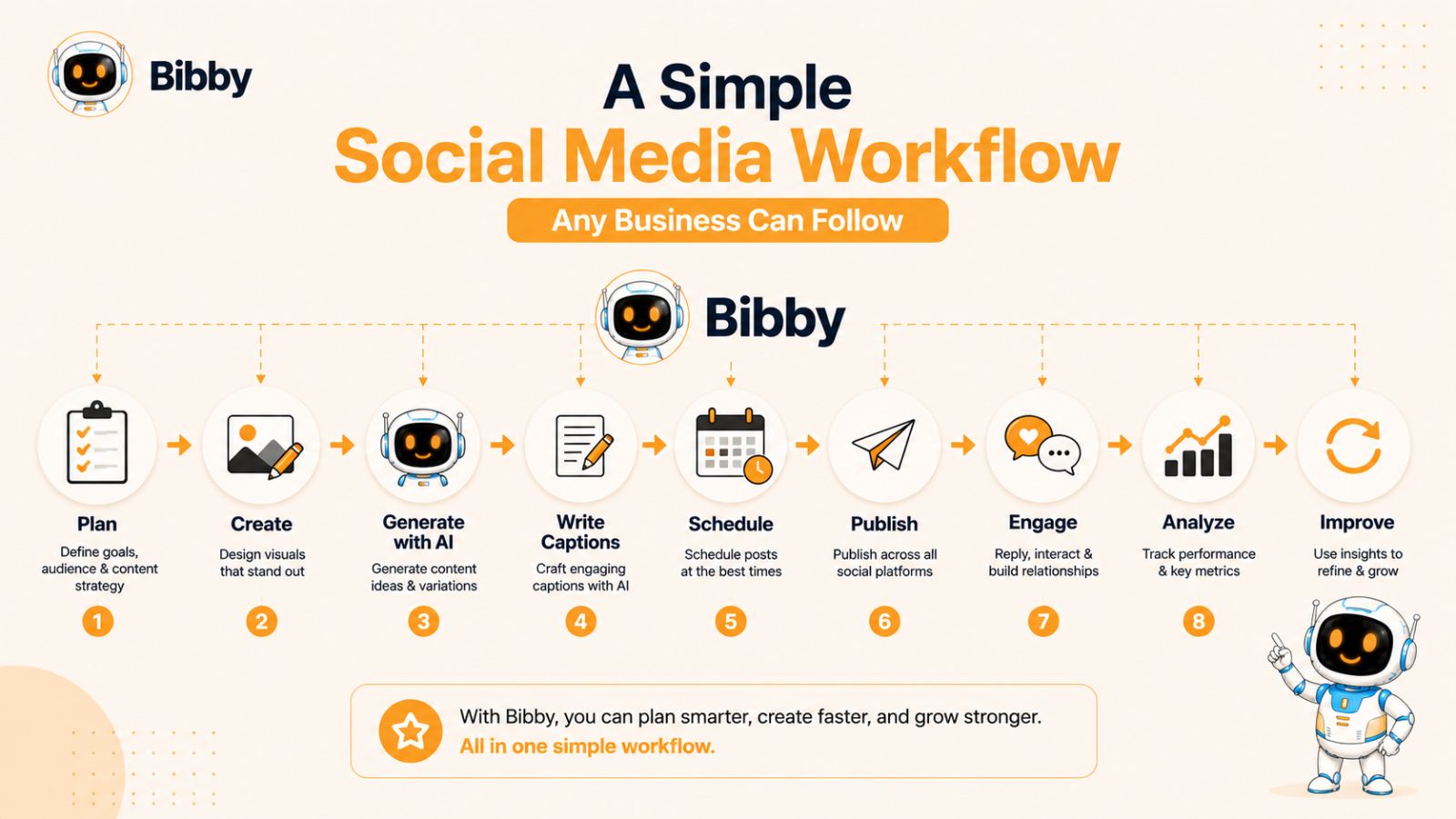
By following a simple, repeatable workflow, you can consistently create high-quality content, stay active across multiple platforms, and continually improve your results.
Step 1: Plan Your Content
Start by identifying the topics your audience cares about most. Build your monthly content calendar around three to five core content pillars, such as educational content, customer stories, product updates, industry insights, or behind-the-scenes moments.
Planning ahead helps you maintain consistency while ensuring every post supports your business goals.
Step 2: Create Engaging Visuals
Every great social media post starts with a strong visual. Use original photos, branded graphics, short videos, or AI-generated images to capture attention as users scroll through their feeds.
Remember that different platforms may require different image sizes or video formats, so prepare your assets accordingly.
Step 3: Write Captions That Encourage Action
A compelling caption provides context, delivers value, and motivates readers to engage.
Effective captions often:
- Start with a strong hook.
- Offer useful information or tell a story.
- Include a clear call to action.
- Encourage comments or shares.
- Match your brand's tone of voice.
If writing captions for every platform feels time-consuming, AI can help generate strong first drafts that you can personalize before publishing.
Step 4: Schedule Everything in Advance
Rather than posting manually every day, schedule your content for the week or month ahead. This ensures your audience continues to receive consistent updates, even when you're busy with other priorities.
Scheduling also reduces stress and allows you to focus on creating better content instead of worrying about publishing deadlines.
Step 5: Publish Across Multiple Platforms
Your audience doesn't spend all of its time on one social network. Expand your reach by publishing content across platforms such as Facebook, Instagram, LinkedIn, YouTube, and TikTok.
Instead of copying the same post everywhere, adapt your messaging and format to match each platform's audience and best practices.
Step 6: Engage With Your Audience
Publishing content is only the beginning. Set aside time each day to:
- Reply to comments.
- Answer direct messages.
- Thank customers for feedback.
- Join relevant conversations.
- Encourage discussions on your posts.
These interactions build trust and help transform followers into loyal customers.
Step 7: Review Analytics and Improve
At the end of each week, review your social media performance.
Look for answers to questions like:
- Which posts generated the highest engagement?
- Which platform delivered the most traffic?
- What content encouraged the most shares or saves?
- Which posting times produced the best results?
Use these insights to refine your content calendar and improve future campaigns.
Make the Workflow Even Simpler with Bibby
Managing each of these steps with separate tools can quickly become overwhelming, especially as your business grows. Bibby brings the entire workflow together in one intuitive platform.
With Bibby, you can:
- Upload your own images or generate visuals with AI.
- Choose a posting style that matches your brand.
- Automatically generate engaging captions.
- Schedule content across Facebook, Instagram, LinkedIn, YouTube, and TikTok.
- Publish images, videos, and stories from one dashboard.
- Let AI choose optimized posting times for better reach.
- Monitor analytics to understand what's working and continuously improve your strategy.
Instead of switching between multiple apps, Bibby gives you one streamlined workflow from content creation to performance tracking. Whether you're a solo entrepreneur, a growing startup, or an established marketing team, this approach saves time, improves consistency, and makes managing social media significantly more efficient.
Turn Good Habits Into Daily Habits
The social media habits of fast-growing companies aren't complicated—they're consistent. By planning ahead, creating valuable content, automating repetitive tasks, engaging with your audience, and learning from analytics, you can build a scalable social media strategy that delivers results over the long term.
The key is to create a workflow you'll actually stick to. Once that system is in place, every post becomes another step toward stronger brand awareness, deeper customer relationships, and sustainable business growth.
Also read: 12 LinkedIn Scheduling Tips for Consistent Visibility →
Common Social Media Mistakes That Slow Company Growth
Even the best products and services can struggle to gain traction if a company's social media strategy is inconsistent or unfocused. While fast-growing companies develop habits that support long-term success, many businesses unknowingly make mistakes that limit their reach, engagement, and conversions.
The good news is that most of these mistakes are easy to fix once you recognize them.
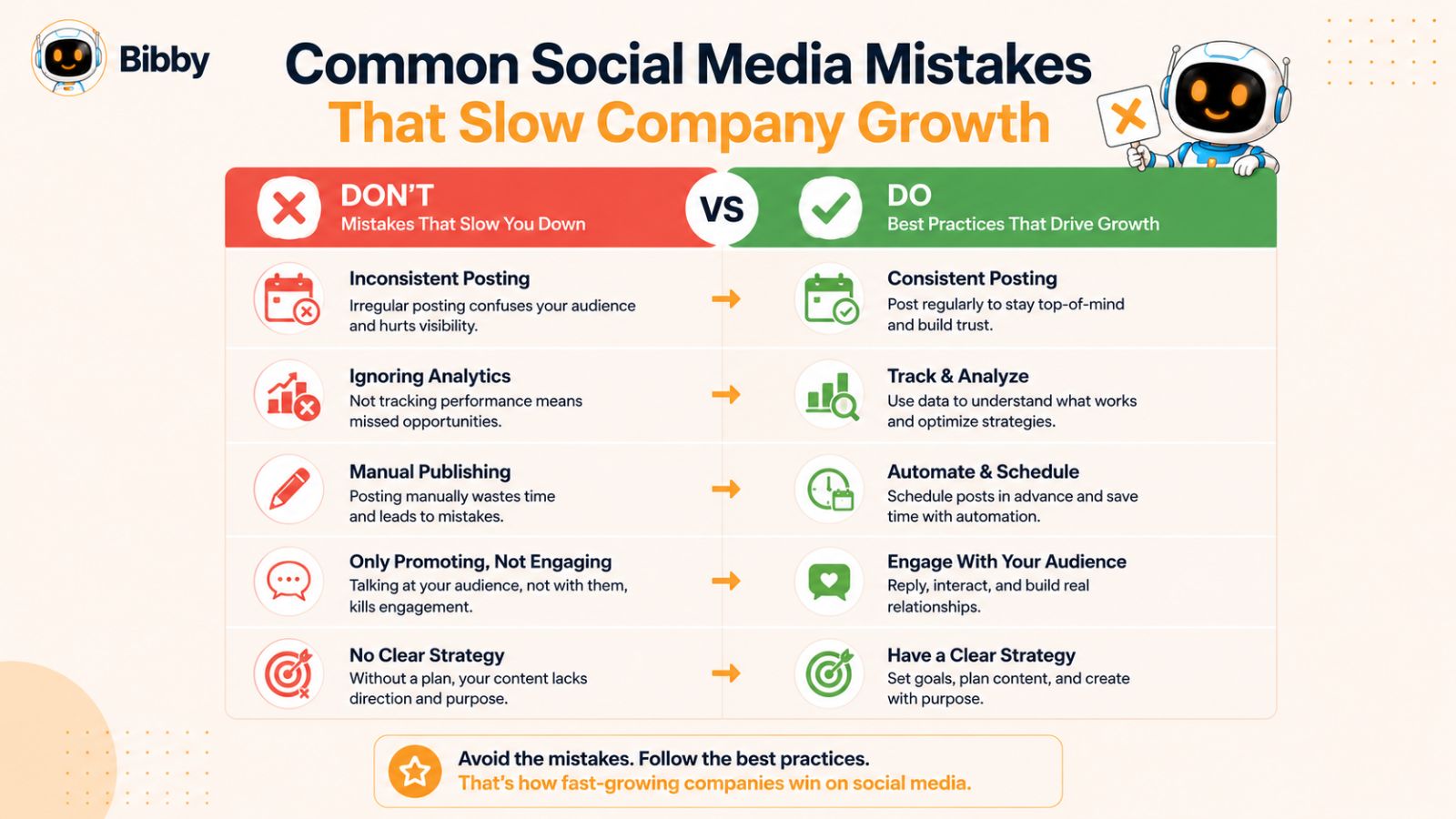
Posting Without a Strategy
One of the most common mistakes is creating content without a clear objective. Random posts may occasionally perform well, but they rarely contribute to consistent business growth.
Before publishing anything, ask yourself:
- Who is this post for?
- What value does it provide?
- What action do I want readers to take?
- How does it support my business goals?
A documented content strategy keeps every post aligned with your overall marketing objectives.
Being Inconsistent
Posting every day for one week and then disappearing for the next month makes it difficult to build momentum.
Consistency helps audiences remember your brand and signals to social media platforms that you're an active creator. A realistic publishing schedule that you can maintain is far more effective than an overly ambitious one that quickly falls apart.
Promoting Instead of Providing Value
If every post is focused on selling, audiences are likely to lose interest.
Fast-growing companies follow a value-first approach by sharing:
- Educational tips
- Industry insights
- Customer stories
- Behind-the-scenes content
- Helpful resources
- Entertaining videos
Promotional content still has its place, but it should be balanced with content that informs, inspires, or entertains.
Ignoring Analytics
Many businesses spend hours creating content but never review how it performs.
Without analytics, it's impossible to know:
- Which topics your audience enjoys.
- Which platforms perform best.
- What posting times generate the highest engagement.
- Which campaigns produce leads and sales.
Regular performance reviews help eliminate guesswork and improve future content.
Using the Same Content Everywhere
Every social platform serves a different audience. Copying and pasting identical posts across Facebook, Instagram, LinkedIn, TikTok, and YouTube often results in lower engagement.
Instead, adapt your content to match each platform's style, format, and audience expectations while keeping your core message consistent.
Trying to Do Everything Manually
As your business grows, manually creating captions, publishing posts, and monitoring multiple platforms becomes increasingly difficult.
Automation helps eliminate repetitive work without sacrificing quality. Platforms like Bibby simplify the entire process by combining AI-assisted image generation, caption creation, scheduling, publishing, and analytics into one streamlined workflow. This allows businesses to stay consistent while freeing up more time for creativity and customer engagement.
Neglecting Video and Stories
Short-form video has become one of the most engaging content formats across nearly every major social platform.
Businesses that rely only on static images may miss opportunities to increase reach and engagement.
Consider adding:
- Short educational videos
- Product demonstrations
- Customer testimonials
- Behind-the-scenes clips
- Stories with polls or questions
- YouTube Shorts and TikTok videos
A balanced mix of formats helps keep your content fresh and appealing.
Chasing Vanity Metrics
High follower counts can look impressive, but they don't always translate into business success.
Instead of focusing only on follower growth, track metrics that reflect real business outcomes, such as:
- Engagement rate
- Website traffic
- Lead generation
- Conversion rate
- Customer retention
- Revenue from social media
These metrics provide a much clearer picture of whether your social media efforts are supporting business growth.
Learn, Adapt, and Keep Improving
Every successful company has made mistakes along the way. The difference is that they learn from them, adjust their strategy, and continue improving.
By avoiding these common pitfalls and adopting the habits covered throughout this guide, you'll be well positioned to build a stronger brand, grow an engaged audience, and turn social media into a reliable driver of long-term business success.
Also read: 15 Proven Instagram Engagement Strategies to Grow Faster
Frequently Asked Questions
What are the most important social media habits of fast-growing companies?
Fast-growing companies focus on building repeatable systems rather than chasing short-term results. They create a clear content strategy, post consistently, produce high-quality content, use AI and automation to save time, adapt content for each platform, engage with their audience, track analytics, test new ideas, and think long-term. These habits help them build trust, grow their audience, and generate sustainable business results.
How often should a business post on social media?
There isn't a universal posting frequency that works for every business. The most important factor is consistency. Whether you publish three times a week or once a day, maintaining a regular schedule is more effective than posting heavily for a short period and then disappearing. Focus on creating valuable content that your audience looks forward to seeing.
Why is consistency more important than going viral?
A viral post can generate a temporary spike in visibility, but consistent posting builds long-term relationships with your audience. Regularly sharing valuable content improves brand recognition, increases engagement, and creates more opportunities to attract leads and customers over time.
Can AI improve a company's social media strategy?
Yes. AI can help businesses brainstorm content ideas, generate images, write captions, recommend hashtags, optimize posting times, and analyze performance. While AI makes content creation faster and more efficient, the best results come from combining AI with human creativity, industry expertise, and authentic storytelling.
Should businesses post the same content on every platform?
No. Every social media platform has a unique audience and preferred content formats. Instead of copying the same post everywhere, adapt your messaging, visuals, and captions to match each platform while keeping your core message consistent. This approach typically leads to higher engagement and better overall performance.
What are the benefits of using a social media scheduling tool?
Scheduling tools help businesses maintain consistency, save time, and reduce the stress of manual publishing. They also make it easier to plan campaigns, collaborate with team members, and publish content at the most effective times.
An all-in-one platform like Bibby goes a step further by combining AI image generation, automatic caption writing, AI-optimized scheduling, multi-platform publishing, and analytics in a single workflow. Instead of managing several tools, businesses can handle everything from content creation to performance tracking in one place.
Which social media platforms should businesses focus on?
The best platforms depend on your target audience and business goals. Many companies benefit from a combination of:
- LinkedIn for B2B marketing and professional networking.
- Instagram for visual storytelling and brand building.
- Facebook for community engagement and local audiences.
- TikTok for reaching younger audiences with short-form videos.
- YouTube for educational, searchable, and long-form video content.
Rather than trying to dominate every platform immediately, focus on the channels where your ideal customers are most active.
How can small businesses manage multiple social media platforms?
Small businesses can simplify social media management by planning content in advance, repurposing content across platforms, using AI to speed up content creation, and scheduling posts ahead of time.
With a platform like Bibby, businesses can upload or generate images with AI, automatically create captions, schedule content across Facebook, Instagram, LinkedIn, YouTube, and TikTok, publish videos and stories, and monitor analytics from one dashboard. This streamlined workflow helps small teams maintain a professional and consistent social media presence without spending hours every day.
Conclusion
The social media habits of fast-growing companies aren't built around shortcuts or viral moments—they're built around consistency, strategy, and continuous improvement. Businesses that plan their content, create genuine value, engage with their communities, and use data to refine their approach are the ones that achieve sustainable growth over time.
Modern AI and automation tools make these habits easier to maintain. Instead of spending hours writing captions, publishing posts manually, and switching between platforms, solutions like Bibby simplify the entire process. With AI-powered image generation, automatic caption creation, AI-optimized scheduling, multi-platform publishing across Facebook, Instagram, LinkedIn, YouTube, and TikTok, support for videos and stories, and built-in analytics, Bibby helps businesses save time while maintaining a consistent and professional social media presence.
The key is to start with a simple, repeatable workflow and improve it over time. Every quality post, every customer conversation, and every insight from your analytics contributes to stronger brand awareness and long-term business growth.
If you're ready to take your strategy even further, your next step is learning how to create a 30-day AI-powered social media content calendar that helps you plan, automate, and publish engaging content with confidence every month.