
Managing social media has become increasingly complex as brands are expected to create more content, publish across multiple platforms, and engage audiences consistently.
If you're spending hours every week writing captions, scheduling posts, tracking analytics, and managing multiple social accounts, you're not alone. The good news is that many of these repetitive tasks can now be automated, allowing you to grow faster while freeing up valuable time for strategy and creativity.
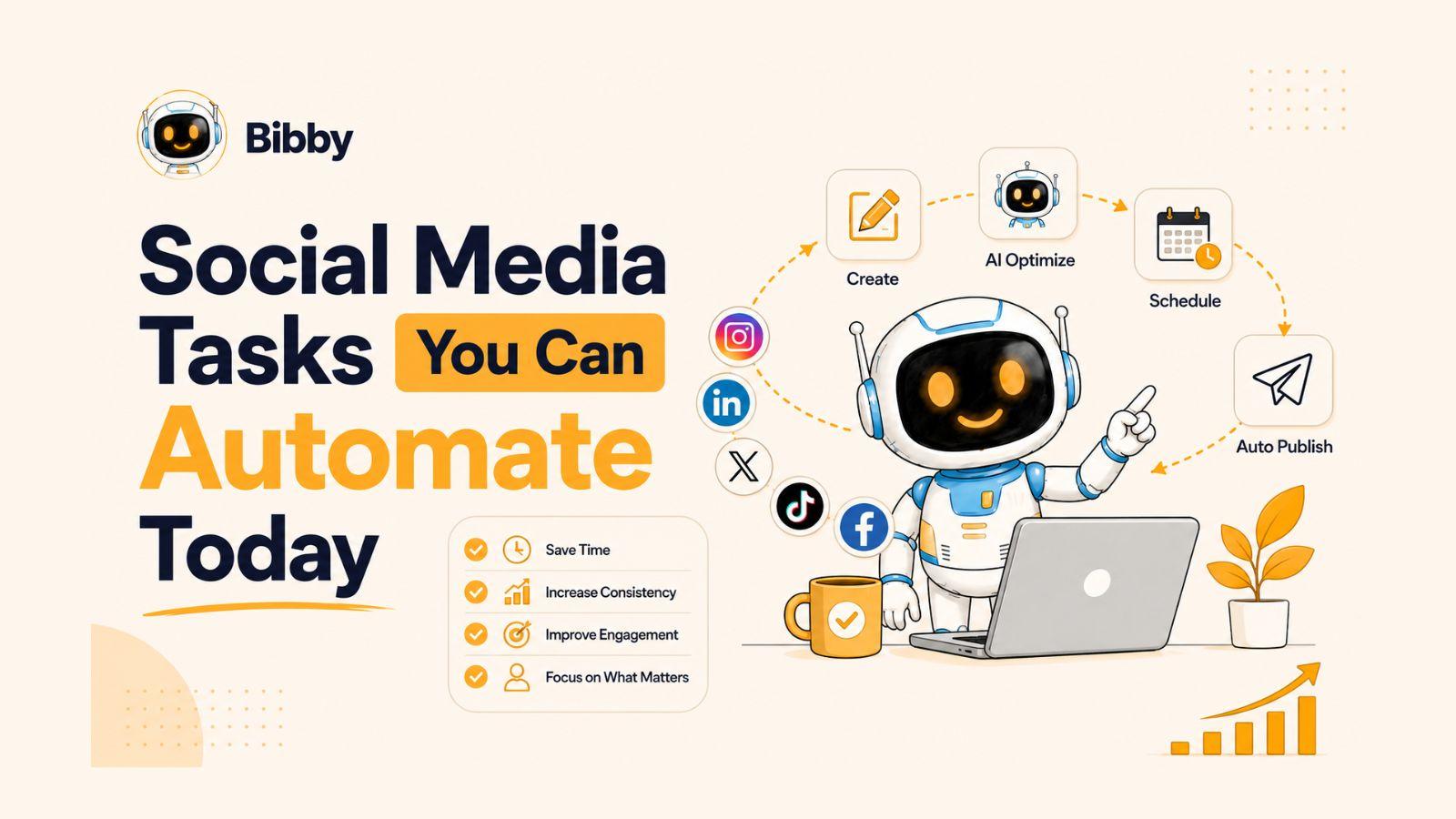
Let's explore the 20 social media growth tasks you can automate today to save time, reduce manual work, and scale your online presence more efficiently.
Why Social Media Automation Matters More Than Ever
Social media marketing has evolved from occasional posting to a full-time growth engine for businesses, creators, and marketing teams. Today, success requires consistent content creation, audience engagement, performance tracking, and platform-specific optimization across multiple networks.
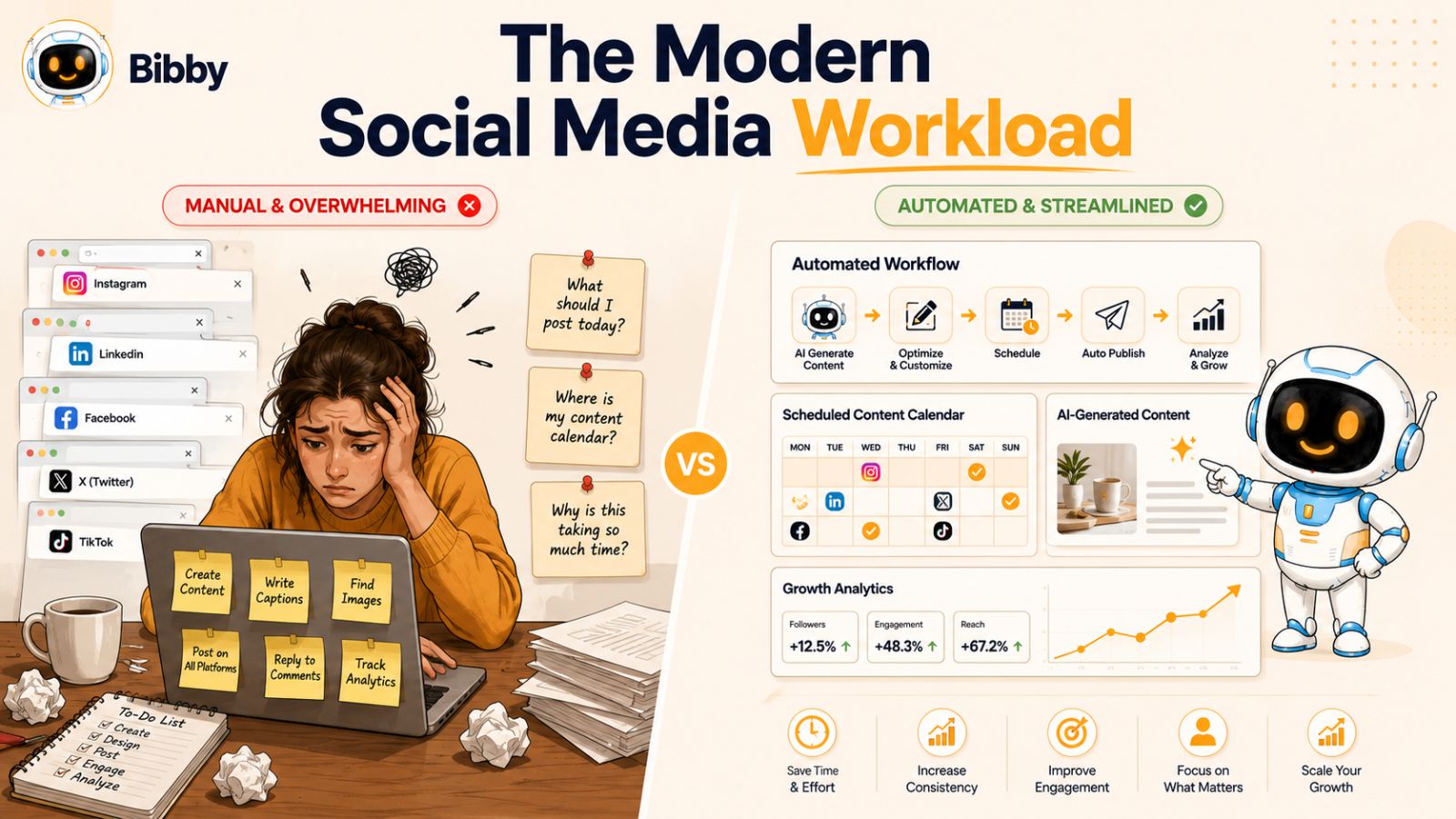
At the same time, marketers face increasing pressure to do more with limited time and resources. Managing Facebook, Instagram, LinkedIn, TikTok, and YouTube manually can quickly become overwhelming, especially when each platform demands unique content formats and posting schedules.
This is where automation becomes a competitive advantage.
By automating repetitive and time-consuming tasks, businesses can focus on strategy, creativity, and community building instead of spending hours on manual publishing and administrative work.
Benefits of Social Media Automation
Save Time Every Week
Automation eliminates repetitive tasks such as scheduling posts, generating captions, organizing content calendars, and creating performance reports. What once required several hours per week can often be completed in minutes.
Maintain Consistent Posting
Consistency is one of the most important factors in social media growth. Automation ensures your content continues to publish on schedule, even when you're busy with other priorities.
Improve Audience Engagement
Modern automation tools can identify the best times to post, helping your content reach more people when they're most active online.
Scale Across Multiple Platforms
Instead of uploading content separately to each network, automation allows you to manage multiple channels from a single dashboard and publish content simultaneously.
Make Better Decisions with Analytics
Automated reporting gives marketers instant access to performance insights, helping them understand what content works and where improvements are needed.
Also read: The Advantages of Social Media Automation in Competitive Social Markets
Common Myths About Social Media Automation
Many people assume automation makes social media feel robotic or impersonal. In reality, automation works best when it handles repetitive tasks while humans focus on creating authentic relationships with their audience.
Automation doesn't replace creativity—it amplifies it.
The most successful brands use automation to streamline workflows, allowing their teams to spend more time creating valuable content and less time performing repetitive administrative tasks.
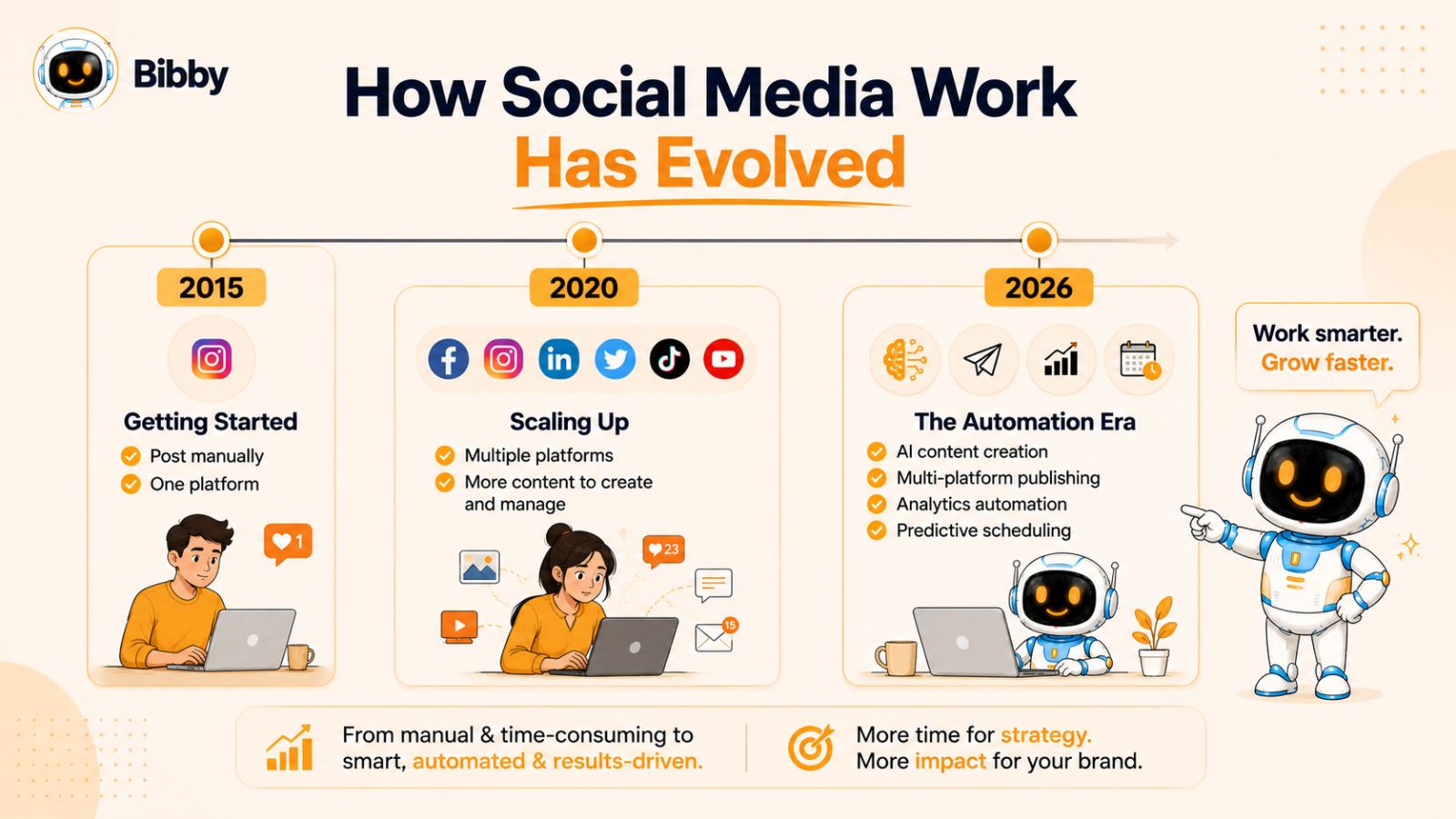
With today's AI-powered tools, automation can do far more than schedule posts. It can help generate captions, optimize posting times, analyze performance, and even create content ideas, making social media growth more efficient than ever before.
20 Social Media Growth Tasks You Can Automate Today
Not every social media task requires human attention. In fact, some of the most time-consuming activities can now be automated without sacrificing quality or performance. By automating the right workflows, marketers can focus more on strategy, creativity, and audience engagement while letting technology handle repetitive execution.
1. Content Scheduling
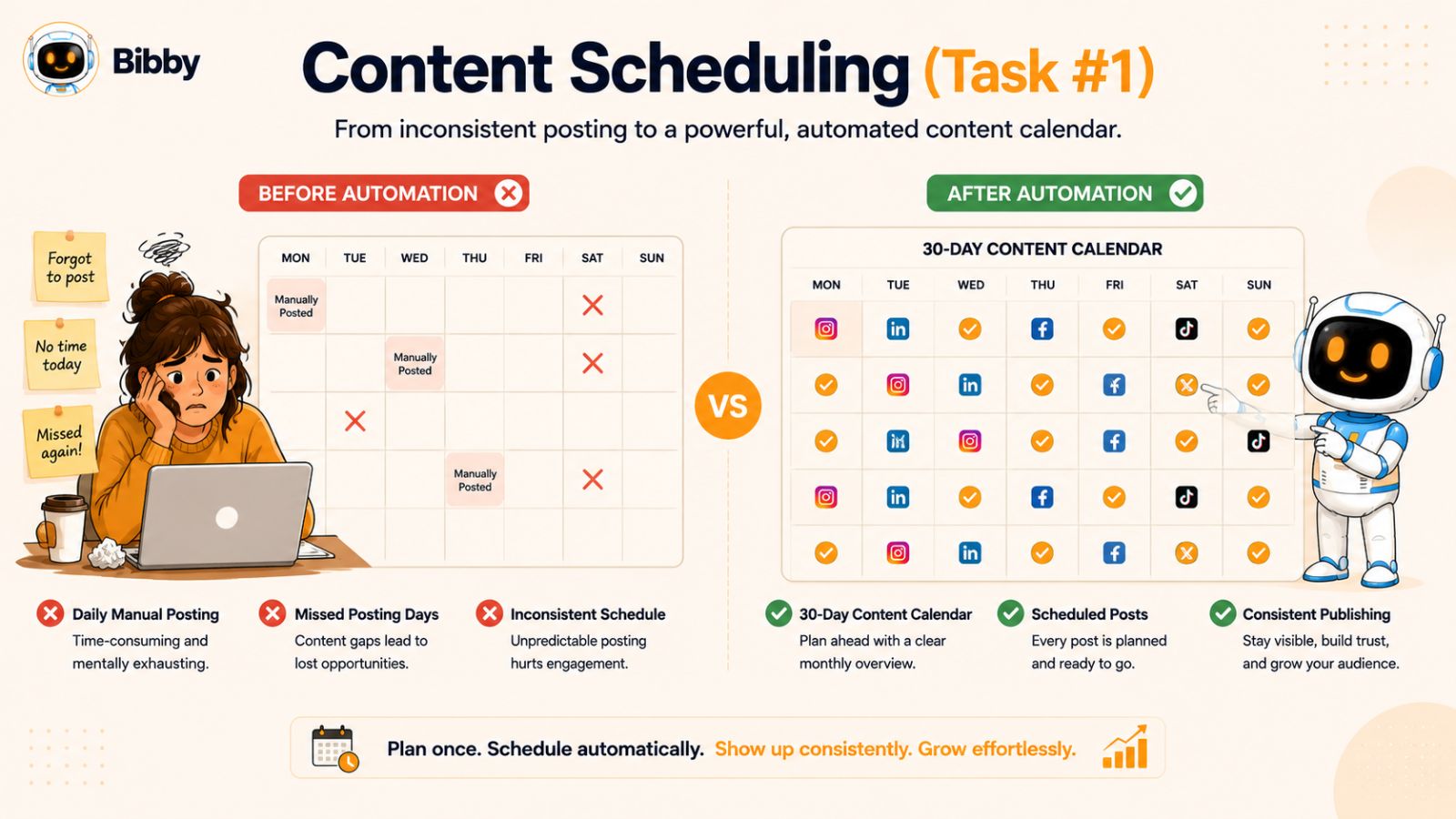
Scheduling content is one of the easiest and most impactful tasks to automate. Instead of manually publishing posts every day, you can plan and schedule weeks or even months of content in advance.
Automated scheduling ensures consistent posting, which helps maintain audience engagement and signals platform algorithms that your account is active. It also removes the stress of needing to be online at specific times every day.
2. AI Caption Generation
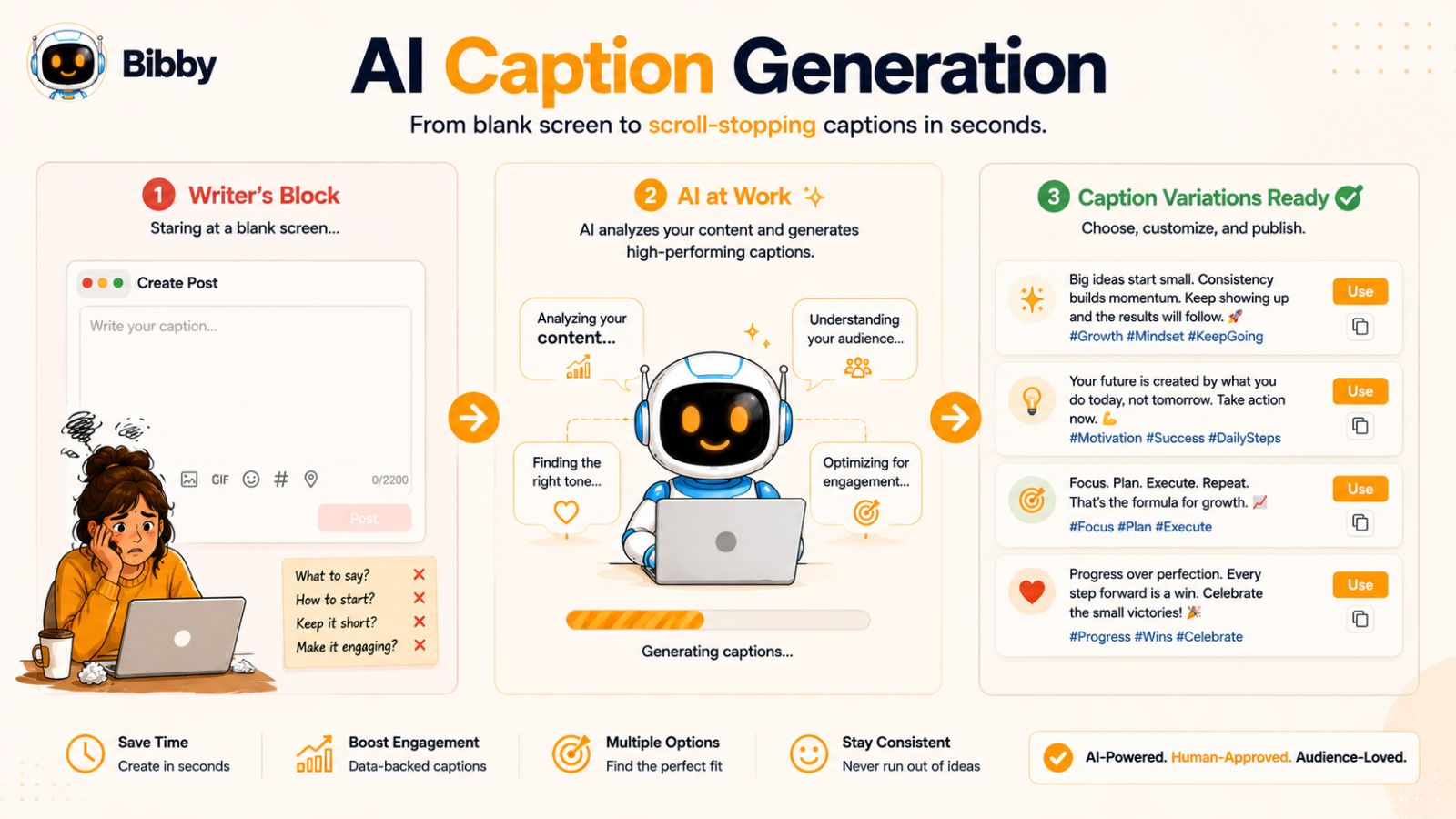
Writing engaging captions for every post can quickly become a bottleneck. AI-powered caption generation tools can create platform-specific captions based on your image, video, topic, or brand voice.
Rather than starting from a blank page each time, marketers can generate caption ideas instantly and make small edits before publishing. This significantly speeds up content production while maintaining quality.
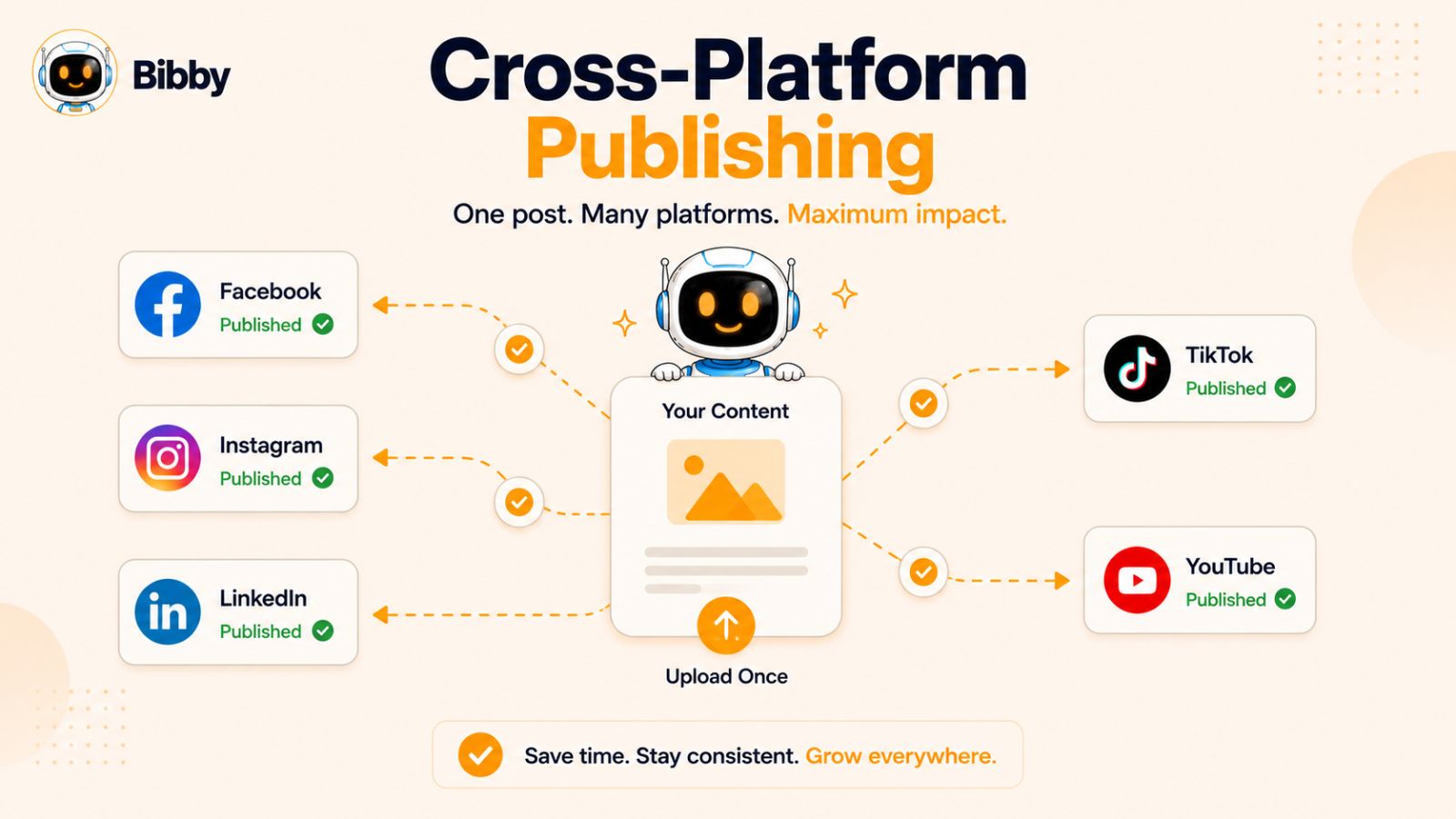
3. Cross-Platform Publishing
Many businesses publish the same content across multiple channels such as Facebook, Instagram, LinkedIn, TikTok, and YouTube.
Cross-platform automation eliminates the need to upload content separately to each network. With a single workflow, content can be distributed across all selected platforms simultaneously, saving hours of manual work every week.
4. Best-Time Posting Optimization
Timing plays a major role in social media performance. Posting when your audience is most active can significantly improve reach, engagement, and visibility.
Instead of guessing when to publish, modern automation tools use historical performance data and audience behavior to determine the best posting times automatically. This helps maximize the impact of every piece of content.
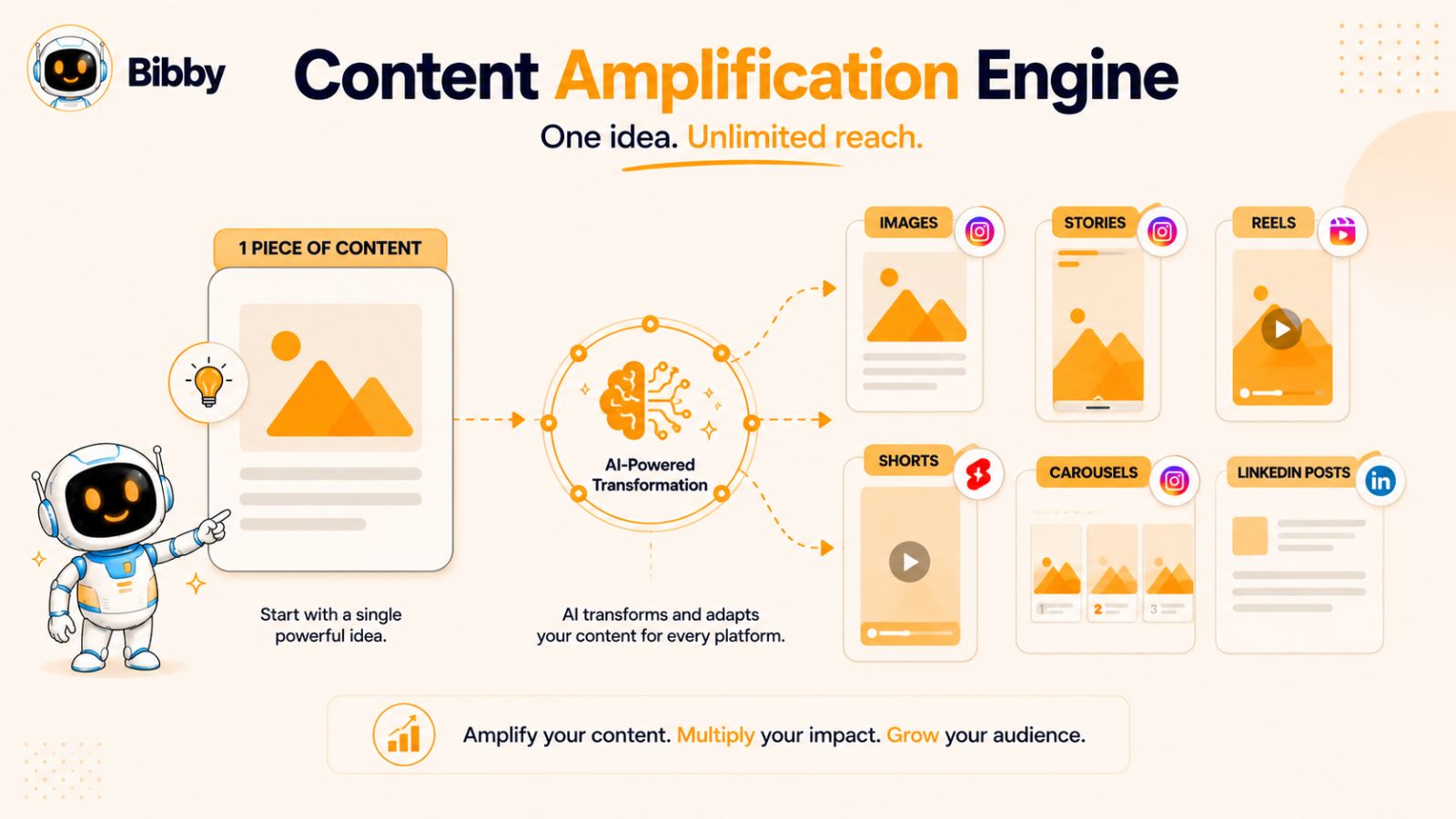
5. Content Repurposing
One blog post, video, webinar, or podcast can generate dozens of social media posts.
Automation tools can help repurpose existing content into multiple formats, including short-form videos, image posts, quote graphics, carousel posts, and promotional snippets. This allows marketers to get more value from every piece of content they create while reducing content production costs.
By automating these foundational content workflows, businesses can dramatically increase publishing consistency and content output without increasing workload.
6. Hashtag Research and Optimization
Hashtags remain an important discovery mechanism on platforms like Instagram, TikTok, and LinkedIn. However, manually researching effective hashtags for every post is time-consuming and often inconsistent.
Modern social media automation tools can automatically recommend relevant hashtags based on your content, industry, audience, and historical performance. This helps marketers avoid relying on the same overused hashtags repeatedly and increases the likelihood of reaching new audiences.
For example, a fitness coach posting workout content may receive hashtag suggestions related to strength training, weight loss, home workouts, and fitness motivation. Instead of manually researching trends, the system continuously identifies relevant opportunities.
Benefits of automating hashtag research include:
- Faster content publishing
- Improved content discoverability
- More consistent optimization
- Better alignment with audience interests
While hashtags alone won't guarantee growth, they can significantly increase content visibility when combined with quality content and a consistent posting strategy.
You may also like looking into: How AI Is Rewriting the Rules of Social Media Growth
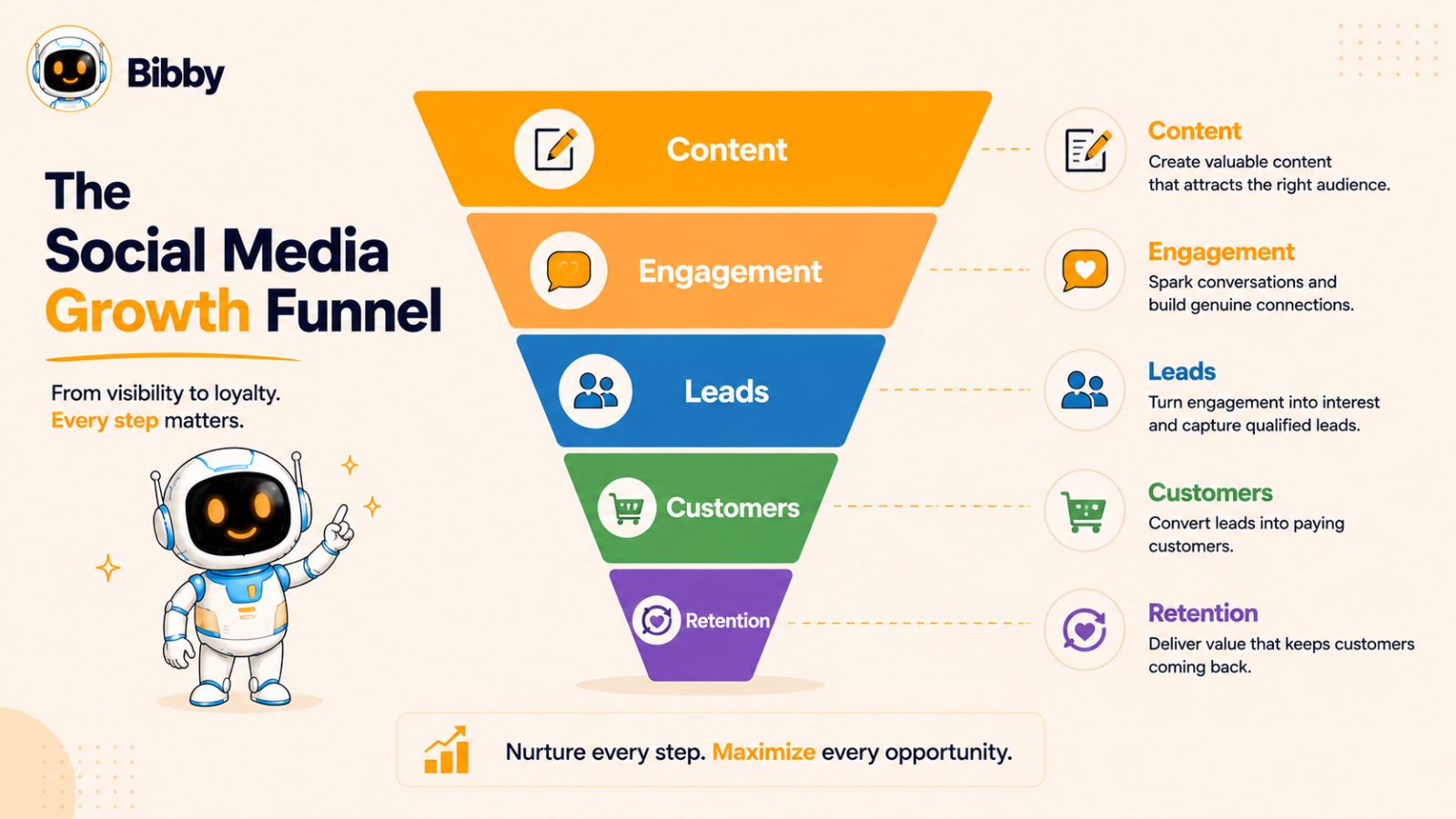
7. Social Media Content Calendar Management
One of the biggest challenges marketers face is maintaining consistency over time. Many businesses post heavily for a few weeks and then disappear because content planning becomes overwhelming.
Automated content calendar systems solve this problem by organizing content weeks or months in advance.
Rather than deciding what to post each day, marketers can build campaigns, assign publishing dates, organize content categories, and maintain a balanced posting schedule from a centralized dashboard.
An effective content calendar helps ensure:
- Consistent publishing frequency
- Better campaign planning
- Seasonal content preparation
- Reduced last-minute content creation
- Improved team collaboration
From an operational perspective, businesses that use structured content calendars often achieve more predictable growth because they eliminate content gaps and maintain regular audience engagement.
8. AI Image Generation and Visual Content Creation
Visual content is often the biggest bottleneck in social media marketing. Creating graphics for every platform can require significant design resources, especially for small businesses and creators.
AI image generation has transformed this process by allowing marketers to create unique visual assets within minutes.
Instead of waiting for design revisions or searching through stock image libraries, users can generate custom visuals tailored to specific campaigns, promotions, educational content, or brand messaging.
This is particularly valuable for:
- Small business owners
- Content creators
- Marketing agencies
- Ecommerce brands
- Personal brands
AI-generated images can support:
- Promotional posts
- Product announcements
- Educational graphics
- Quote cards
- Event promotions
- Social media advertisements
When combined with automated caption generation and scheduling, AI-powered visual creation significantly accelerates the entire content production workflow.
You may also like looking into: Why Consistency Matters More Than Frequency in Social Media Growth
9. Video Scheduling and Distribution
Video consistently generates some of the highest engagement rates across social platforms. However, managing video publishing manually can become extremely time-consuming.
Businesses frequently publish content across:
- YouTube
- YouTube Shorts
- Instagram Reels
- Facebook Reels
- TikTok
- LinkedIn Video
Without automation, each upload requires separate formatting, scheduling, and optimization.
Video scheduling automation streamlines this process by allowing marketers to upload content once and distribute it across multiple platforms from a single workflow.
This approach provides several advantages:
- Faster publishing
- Improved consistency
- Reduced administrative workload
- Better campaign coordination
- More efficient content repurposing
For brands investing heavily in video marketing, automation can save dozens of hours every month while ensuring content reaches audiences across all major platforms.
10. Story Scheduling and Temporary Content Management
Stories have become a core feature on social media platforms because they create urgency and encourage frequent audience interaction.
Yet many businesses struggle to post stories consistently because they require daily attention.
Automating story scheduling allows marketers to plan and publish stories in advance, ensuring regular visibility without requiring constant manual updates.
This is especially valuable for:
- Product launches
- Event promotions
- Educational content series
- Customer testimonials
- Limited-time offers
- Brand awareness campaigns
By scheduling stories ahead of time, businesses can maintain a continuous presence in followers' feeds while reducing the operational burden on marketing teams.
11. User-Generated Content Collection
User-generated content (UGC) is one of the most powerful forms of social proof available to brands. Studies consistently show that consumers trust content created by other customers more than traditional brand advertising.
However, manually searching for customer photos, testimonials, reviews, and brand mentions can become difficult as your audience grows.
Automation tools can monitor brand mentions, hashtags, tagged content, and customer interactions across multiple platforms. This allows marketers to quickly identify valuable content that can be repurposed into future campaigns.
Benefits of automating UGC collection include:
- Stronger social proof
- Increased customer trust
- More authentic content
- Reduced content creation costs
- Higher engagement rates
As your audience grows, automated UGC collection becomes increasingly valuable because it creates a scalable system for identifying customer advocacy opportunities.
12. Social Listening and Brand Monitoring
Many businesses only focus on the conversations happening directly on their profiles. However, important discussions about your brand often occur elsewhere.
Social listening automation helps organizations monitor:
- Brand mentions
- Product mentions
- Industry conversations
- Competitor discussions
- Trending topics
- Customer sentiment
This provides valuable insights into audience behavior and market trends.
For example, if customers repeatedly mention a common product question, marketers can create educational content addressing that concern. If an industry trend begins gaining traction, brands can participate before competitors react.
Social listening transforms social media from a publishing channel into a real-time market research tool.
13. Automated Responses for Common Questions
Consumers increasingly expect quick responses on social media.
While personalized engagement remains important, many incoming questions are repetitive and predictable.
Examples include:
- Pricing questions
- Product availability
- Business hours
- Service information
- Contact requests
- Frequently asked questions
Automation can help route inquiries, provide immediate answers, and reduce response times without requiring constant monitoring.
The result is:
- Improved customer experience
- Faster response times
- Reduced support workload
- Increased lead conversion opportunities
The most effective strategy combines automation for common questions with human involvement for complex conversations.
Also read: Why Consistency Matters More Than Frequency in Social Media Growth
14. Social Media Lead Capture
For many businesses, social media is not simply an awareness channel—it is a lead generation engine.
Yet countless potential leads are lost because there is no process for capturing and organizing incoming inquiries.
Lead generation automation helps businesses:
- Capture form submissions
- Track direct message inquiries
- Organize prospect information
- Route leads to sales teams
- Trigger follow-up workflows
This ensures valuable opportunities don't disappear inside busy inboxes.
For service businesses, agencies, consultants, and SaaS companies, automated lead capture often has a direct impact on revenue because every inquiry receives a structured follow-up process.
15. Analytics and Performance Reporting
One of the biggest reasons social media strategies fail is a lack of visibility into performance.
Without data, marketers often make decisions based on assumptions rather than evidence.
Automated reporting solves this challenge by collecting performance data across platforms and presenting it in easy-to-understand dashboards.
Key metrics often include:
- Reach
- Impressions
- Engagement rates
- Audience growth
- Click-through rates
- Video performance
- Conversion metrics
Instead of manually exporting reports from every platform, marketers can review performance from a centralized dashboard and identify trends quickly.
This allows teams to answer critical questions such as:
- Which content generates the most engagement?
- Which platform delivers the highest ROI?
- What posting times perform best?
Which campaigns drive conversions?
16. Competitor Monitoring and Intelligence
Understanding what competitors are doing has always been an important part of marketing strategy. The challenge is that manually tracking dozens of competitors across multiple platforms is both time-consuming and inefficient.
Competitor monitoring automation helps marketers track:
- Publishing frequency
- Content formats
- Engagement trends
- Audience growth patterns
- Campaign launches
Emerging industry topics
This doesn't mean copying competitors. Instead, it provides valuable market intelligence that helps identify gaps and opportunities.
For example, if competitors consistently generate high engagement using educational carousel posts or short-form videos, that insight can inform your own content strategy.
Automated competitor monitoring helps businesses stay informed without spending hours each week researching social media activity manually.
Also read: Best Platforms to Share Video Content and Grow Your Audience (+ Multi-Platform Strategy) →
17. Content Approval and Collaboration Workflows
As organizations grow, social media content often requires approval from multiple stakeholders.
Common reviewers may include:
- Marketing managers
- Brand teams
- Legal departments
- Executives
- Clients
Without structured workflows, approvals can create bottlenecks that delay campaigns and disrupt publishing schedules.
Automation streamlines this process by creating standardized approval workflows that notify stakeholders, track revisions, and ensure content is approved before publication.
Benefits include:
- Faster campaign execution
- Reduced communication delays
- Better compliance
- Improved content quality
- More efficient team collaboration
- For agencies and enterprise teams, approval automation can significantly reduce operational friction.
18. Engagement Tracking and Audience Insights
Likes, comments, shares, saves, and profile visits all provide valuable information about audience behavior.
However, manually tracking engagement patterns across multiple platforms becomes increasingly difficult as content volume grows.
Automated engagement tracking allows marketers to monitor:
- Top-performing content
- Audience preferences
- Engagement trends
- Community growth
- Content effectiveness
Over time, these insights reveal what resonates most with followers.
For example, analytics may show that educational content consistently generates more saves while behind-the-scenes videos produce higher engagement rates. These findings help marketers allocate resources more effectively.
The best growth strategies are driven by audience behavior, not assumptions.
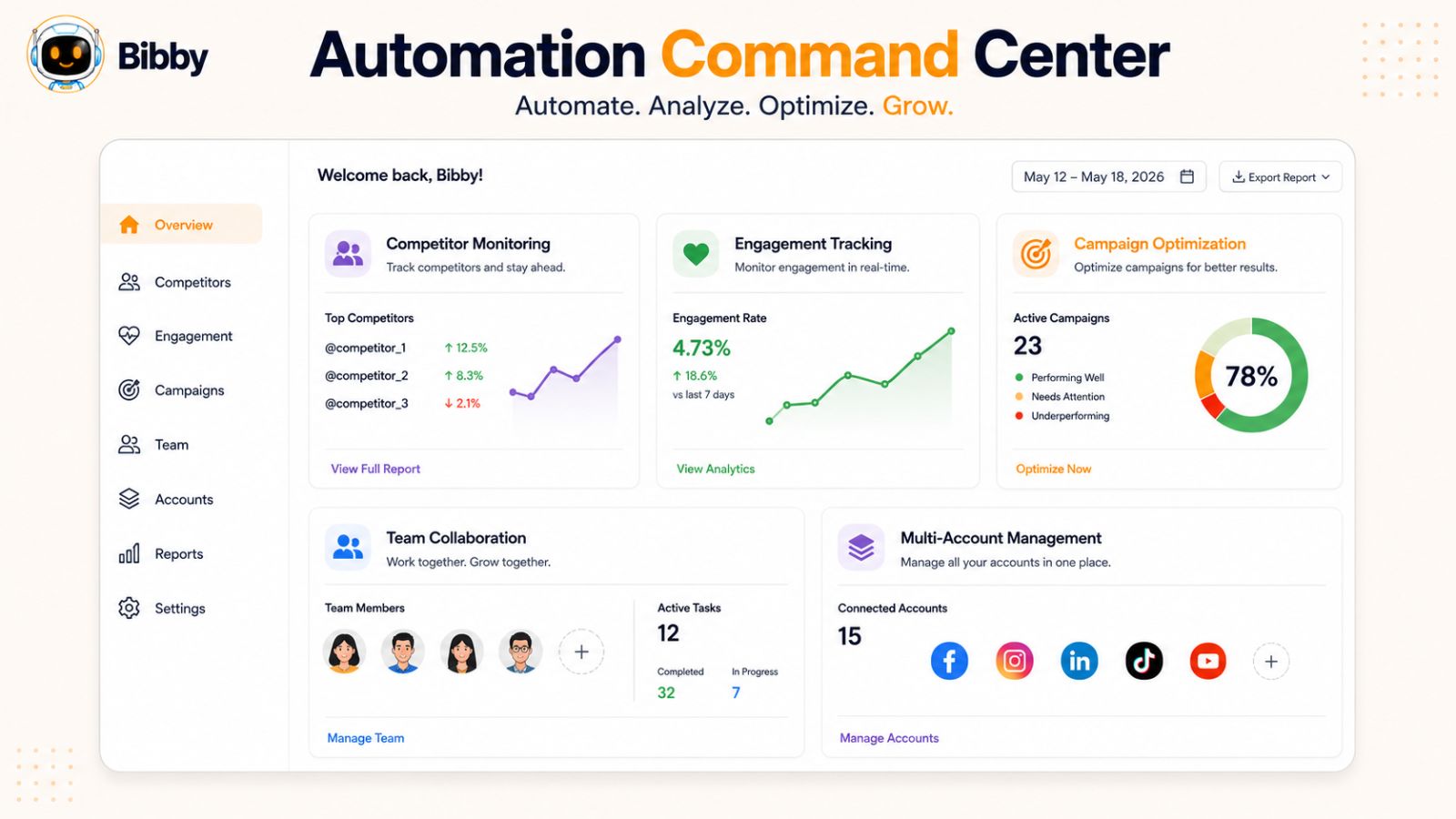
19. Campaign Performance Optimization
Many marketing teams launch campaigns and evaluate results only after the campaign ends.
Automation enables a much more proactive approach.
Modern tools can continuously monitor campaign performance and identify opportunities for improvement while campaigns are still running.
- Marketers can quickly determine:
- Which posts are driving engagement
- Which content formats perform best
- Which audiences respond most positively
- Which publishing times generate stronger results
This allows teams to make data-driven adjustments before valuable opportunities are lost.
Over time, automated optimization creates a feedback loop that improves campaign effectiveness and increases marketing efficiency.
20. Multi-Account and Multi-Brand Management
Managing a single social media account can be challenging. Managing multiple brands, business locations, clients, or creator profiles introduces a completely different level of complexity.
Without automation, marketers often struggle with:
- Switching between platforms
- Managing separate content calendars
- Tracking different analytics dashboards
- Maintaining brand consistency
- Multi-account management automation centralizes these workflows into a single system.
This allows teams to:
- Manage multiple brands from one dashboard
- Schedule content across accounts
- Track performance centrally
- Maintain consistent publishing standards
- Reduce operational complexity
For agencies and businesses with multiple social media properties, this capability can save dozens of hours every month.
Also read: How to Manage Multiple Social Media Profiles: 7 Pro Tips
How Bibby Simplifies These Growth Workflows
As businesses scale their social media efforts, managing content creation, publishing, engagement, and reporting across multiple platforms can quickly become overwhelming.
This is where Bibby helps simplify the entire process.
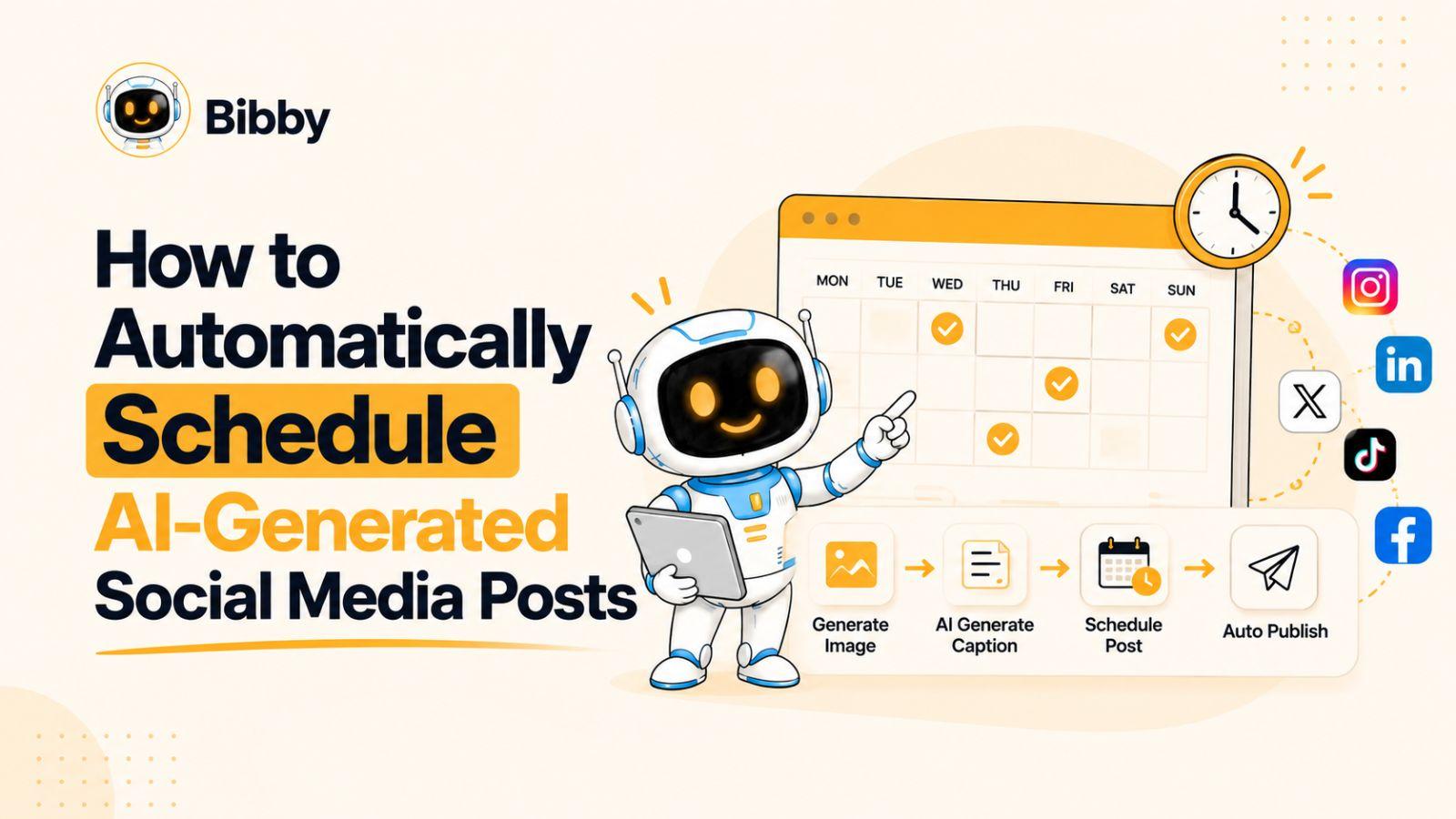
Rather than using separate tools for content creation, caption writing, scheduling, publishing, and analytics, Bibby combines these workflows into a single platform.
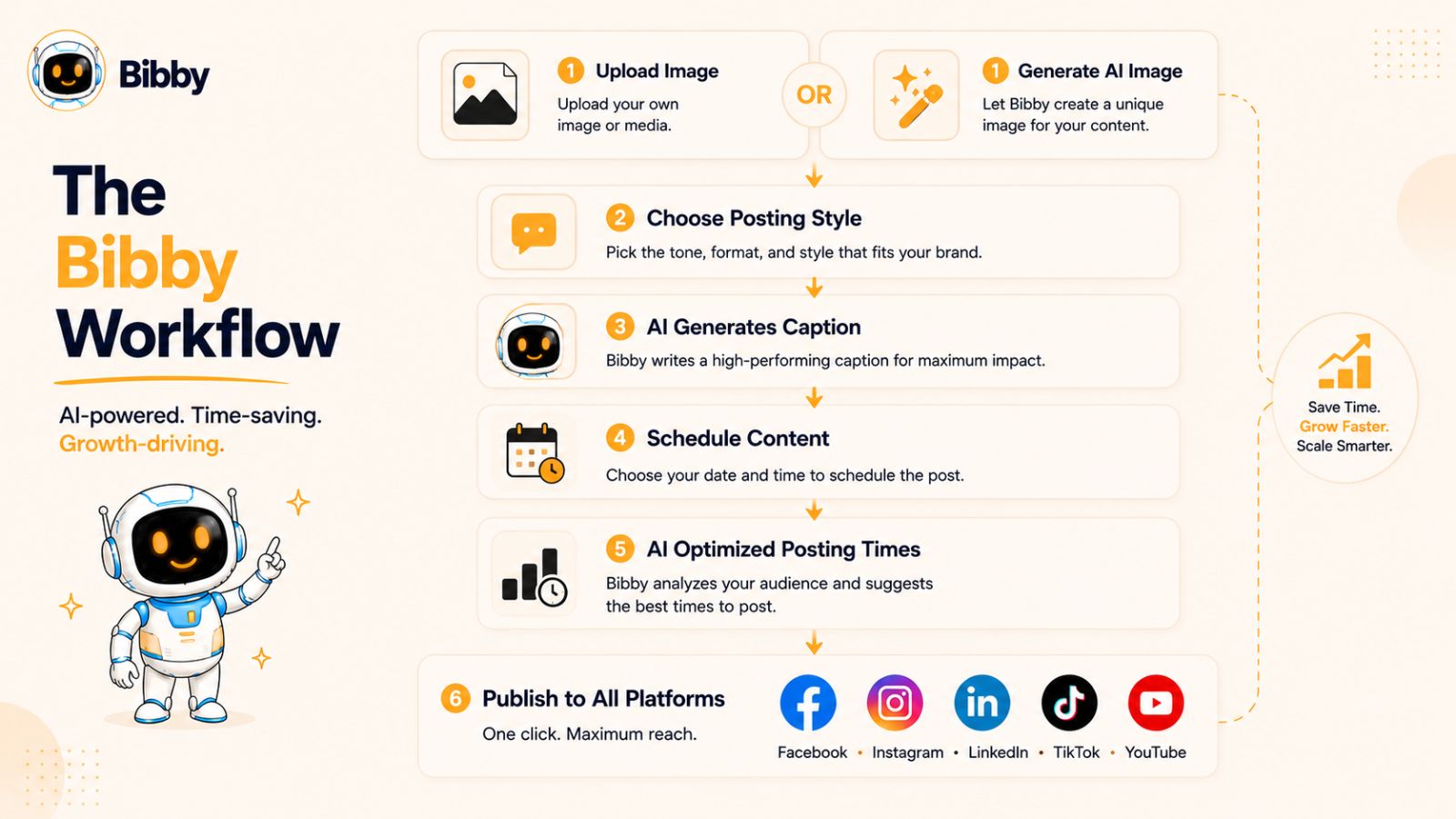
A typical workflow looks like this:
Step 1: Upload or Generate Your Content
Users can upload their own images or create visuals using AI directly within the platform.
This eliminates the need to switch between multiple design and publishing tools.
Step 2: Choose a Posting Style
Different brands communicate differently.
Whether your goal is educational content, thought leadership, promotion, storytelling, or audience engagement, Bibby allows users to select their preferred posting style.
Step 3: Generate Captions Automatically with AI
After selecting a style, Bibby's AI creates platform-ready captions automatically.
Instead of spending time writing captions for every post, marketers can generate content quickly while maintaining a consistent brand voice.
Step 4: Schedule Across Multiple Platforms
Content can then be scheduled across:
- YouTube
- TikTok
This removes the need to publish separately on each platform.
Step 5: Let AI Optimize Posting Times
One of the platform's most valuable features is AI-optimized scheduling.
Rather than guessing when to post, Bibby identifies optimal publishing windows to maximize visibility and engagement.
Step 6: Monitor Performance from One Dashboard
After publishing, users can track analytics and performance metrics from a centralized location.
This makes it easier to understand what content is working and where improvements can be made.
Beyond Standard Posts
Modern social media strategies extend beyond image posts.
Bibby also supports:
- Video publishing
- Story scheduling
- Multi-platform distribution
- Performance tracking
- Content management workflows
For businesses seeking to automate their social media operations, having these capabilities in a single platform can significantly reduce complexity while improving consistency and efficiency.
The ultimate goal of automation is not simply to save time. It's to create a scalable system that allows brands to publish better content, reach more people, and make smarter decisions using data.
Also try our free tool: AI Reel Script Generator
The Bigger Picture: Why Social Media Automation Is a Competitive Advantage
Many marketers view automation as a time-saving tool. While time savings are important, the real value goes much deeper.
Automation creates systems that make growth more predictable.
Instead of relying on memory, manual effort, or inconsistent processes, businesses can build repeatable workflows that support long-term success.
When implemented strategically, automation helps organizations:
- Publish more consistently
- Reach larger audiences
- Improve content quality
- Increase operational efficiency
- Make better decisions using data
- Scale marketing efforts without proportional increases in workload
Most importantly, automation allows marketers to focus on the activities that create the greatest impact—strategy, creativity, storytelling, relationship building, and business growth.
The brands that succeed in the coming years will not necessarily be the ones producing the most content. They will be the ones building the most efficient systems for creating, distributing, analyzing, and optimizing content at scale.
By automating these 20 social media growth tasks, businesses can spend less time managing workflows and more time delivering value to their audiences.
Conclusion
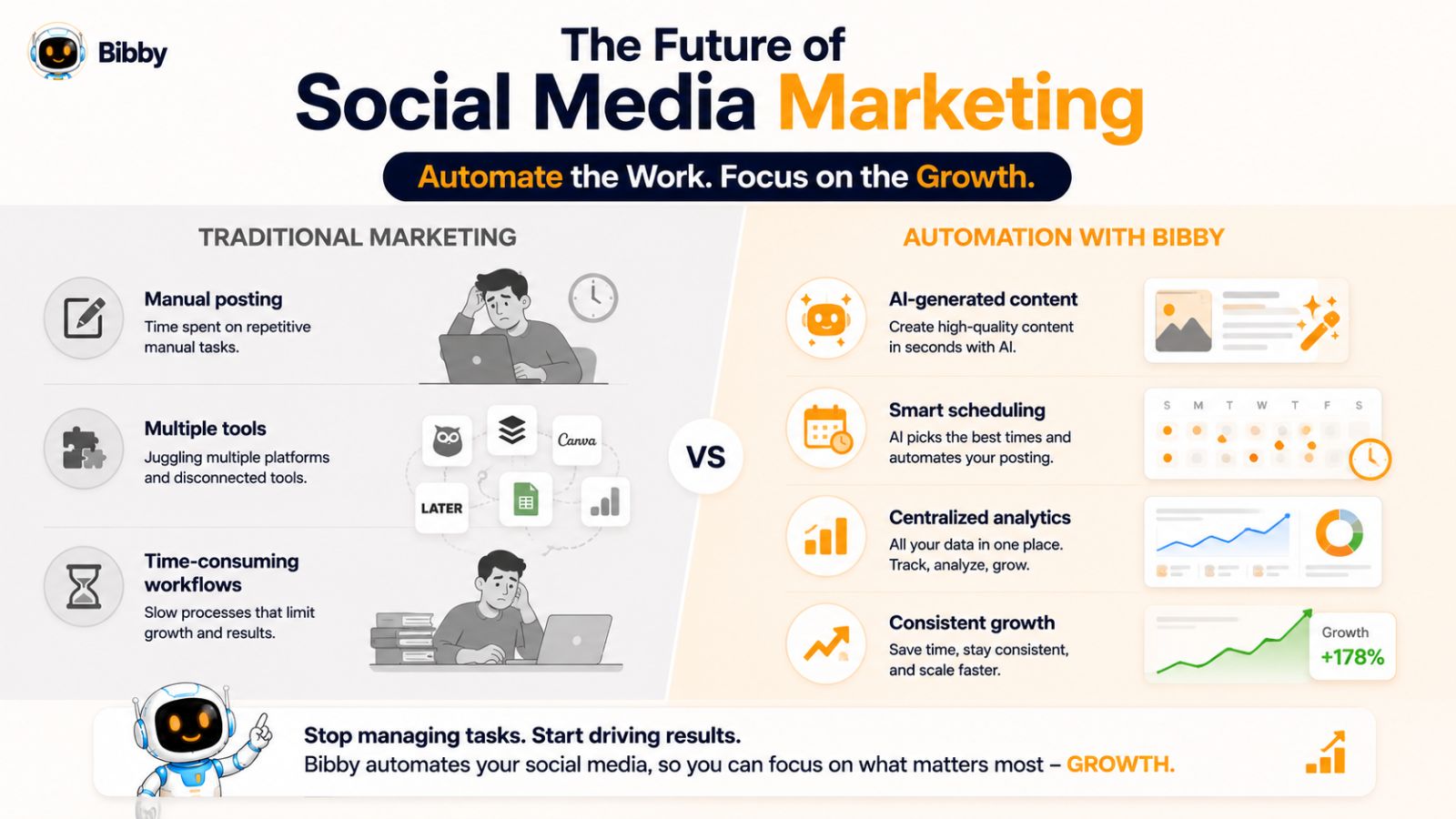
Social media growth no longer requires spending countless hours on repetitive tasks. By automating content creation, scheduling, engagement monitoring, analytics, and campaign optimization, businesses can create a more efficient and scalable marketing system.
The biggest takeaways are simple: automate repetitive workflows to save time, use AI-powered tools to improve consistency and content output, and rely on data-driven automation to make smarter marketing decisions. Together, these strategies help brands maintain a stronger presence across platforms while freeing teams to focus on creativity, audience relationships, and business growth.
Tools like Bibby make this process even easier by combining AI content creation, caption generation, multi-platform scheduling, AI-optimized posting times, video and story publishing, and analytics into a single streamlined workflow.
As social media continues to evolve, the brands that build efficient systems today will be better positioned to grow tomorrow.
Must read: How to Build a High-Performing Content Calendar Using AI Automation
Frequently Asked Questions
What is social media automation?
Social media automation refers to using software and AI tools to perform repetitive social media tasks such as scheduling posts, generating captions, monitoring engagement, tracking analytics, and managing multiple platforms from a single dashboard.
What social media tasks should I automate first?
The best tasks to automate first include content scheduling, caption generation, hashtag research, analytics reporting, video publishing, and content calendar management. These activities typically deliver the fastest time savings and operational benefits.
Does social media automation improve engagement?
Automation can improve engagement when used correctly. Features such as AI-optimized posting times, content scheduling, and performance analytics help ensure content reaches audiences when they are most active and receptive.
Can AI create social media captions?
Yes. Modern AI tools can generate captions based on images, videos, topics, audience preferences, and brand voice guidelines. This significantly reduces content creation time while maintaining consistency.
What platforms can be managed through social media automation tools?
Most modern social media automation platforms support major networks such as Facebook, Instagram, LinkedIn, TikTok, and YouTube, allowing users to manage multiple channels from a single dashboard.
How does Bibby help automate social media marketing?
Bibby simplifies social media management by allowing users to upload or generate images with AI, choose a posting style, automatically generate captions, schedule content across multiple platforms, publish videos and stories, optimize posting times with AI, and monitor analytics from one centralized dashboard.
Is social media automation suitable for small businesses?
Absolutely. Small businesses often benefit the most because automation reduces manual work, saves time, improves consistency, and allows small teams to compete more effectively with larger organizations.
Will automation replace social media managers?
No. Automation is designed to eliminate repetitive administrative tasks, allowing social media managers to focus on strategy, creativity, customer relationships, and business growth.