
Video content has become one of the most effective ways to attract attention, build trust, and grow an audience online.
Whether you're a creator, marketer, business owner, or agency, choosing the right platforms to publish your videos can significantly impact your reach and results. The challenge is that every platform serves a different audience, rewards different content formats, and uses unique algorithms. To maximize growth, you need more than great videos—you need a smart distribution strategy.
In this blog, you will learn:
- Which video platforms deliver the highest audience growth potential
- How to distribute video content for maximum reach and engagement
- How to automate publishing across multiple platforms and save time
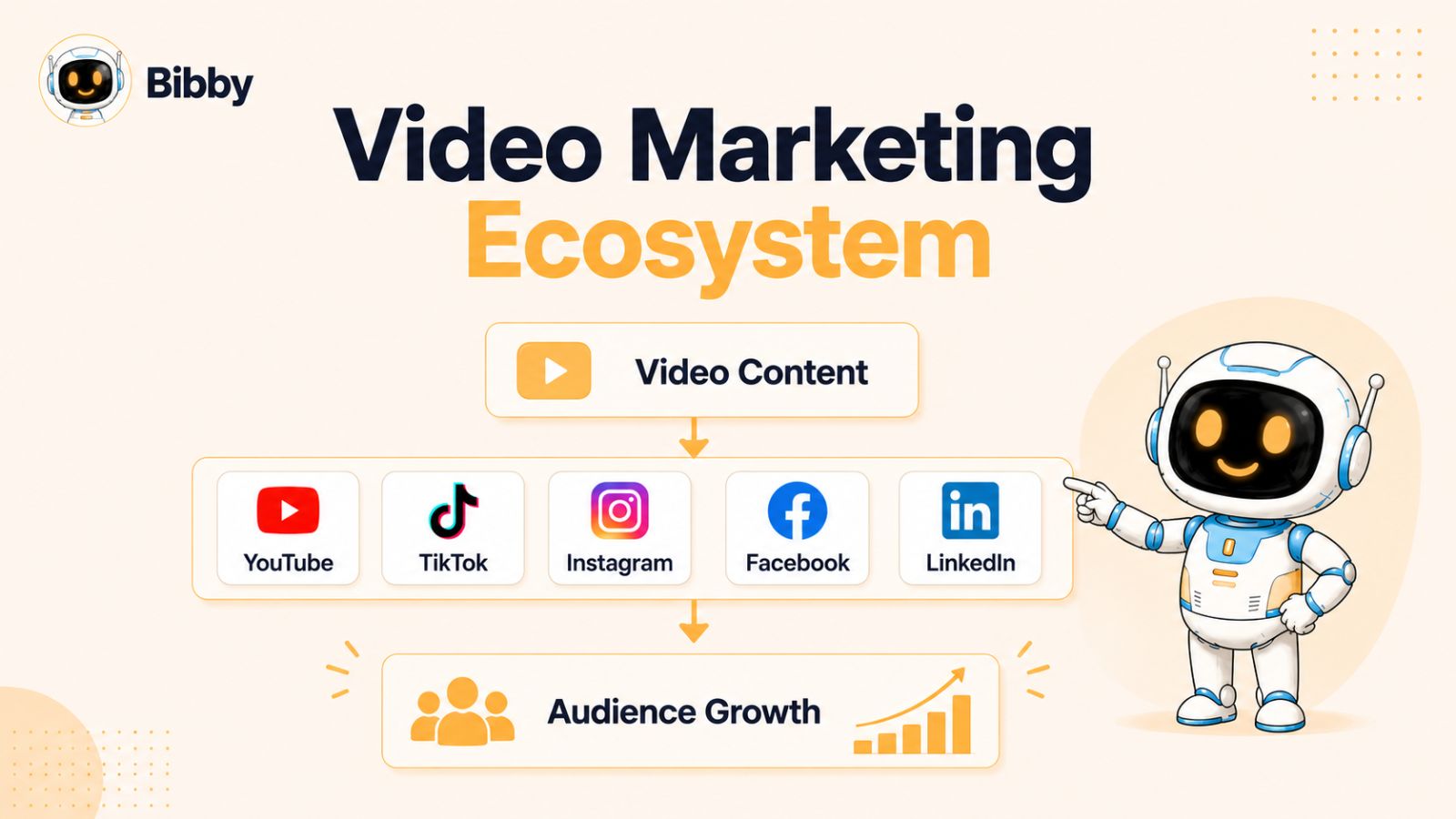
From YouTube and TikTok to Instagram, LinkedIn, and Facebook, we'll explore the best platforms for sharing video content, how each one supports audience growth, and why publishing across multiple channels is often the fastest path to long-term success.
Also read: How to Grow on Social Media With AI?
Why Video Content Is the Most Powerful Growth Tool Today
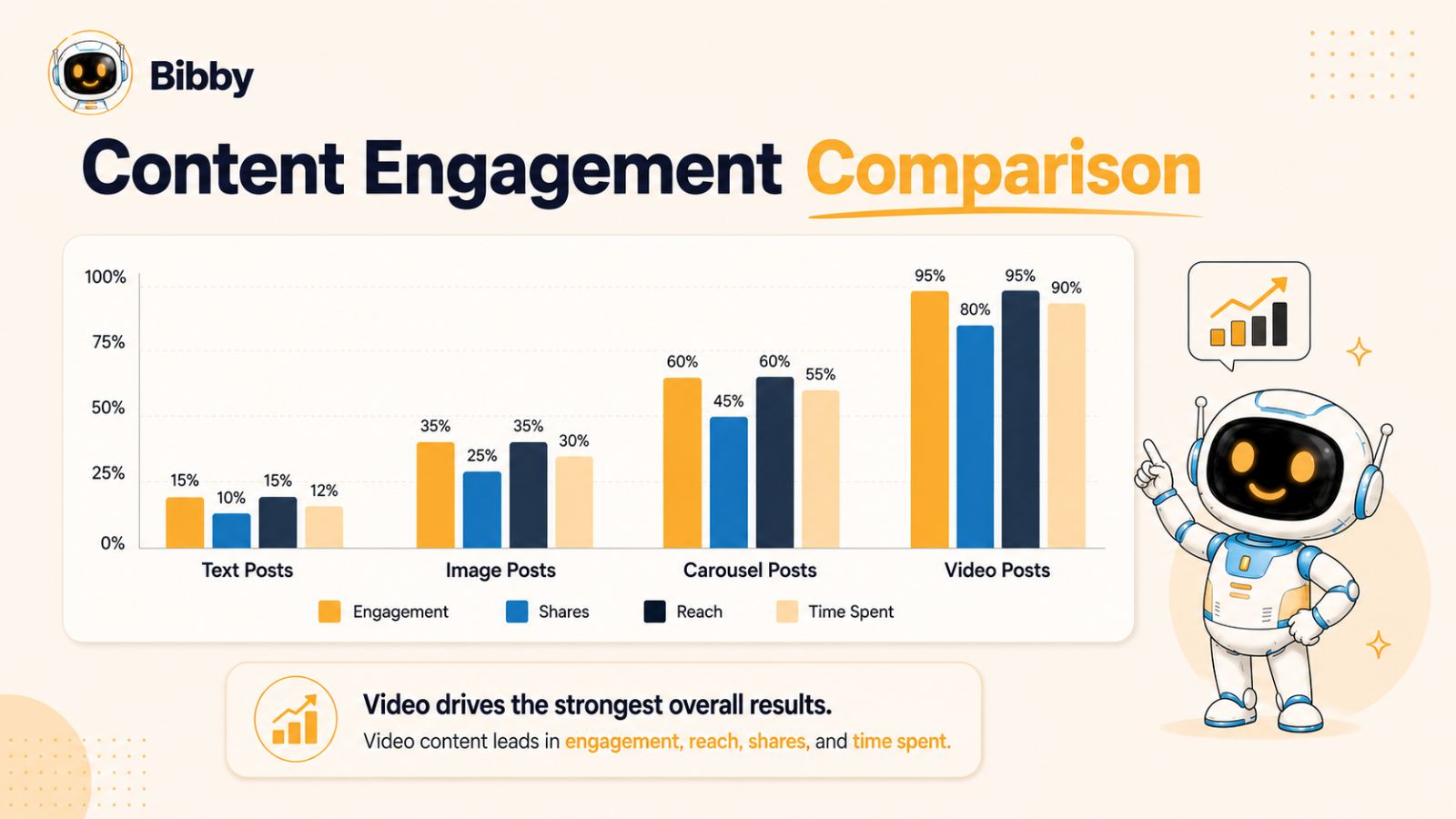
Video has transformed from a content format into the primary way people discover, consume, and engage with information online. Across nearly every major social media platform, video consistently generates higher engagement, longer attention spans, and stronger audience connections than text or static images alone.
The Rise of Video-First Social Media
Social media platforms have increasingly prioritized video content because it keeps users engaged for longer periods. Features like YouTube Shorts, TikTok, Instagram Reels, Facebook Reels, and LinkedIn video posts have fundamentally changed how content is distributed and discovered.
Unlike traditional posts that primarily reach existing followers, video content is often pushed to broader audiences through recommendation algorithms. This creates opportunities for creators and businesses to reach people who have never interacted with their brand before.
As a result, even smaller accounts can generate significant visibility when their videos resonate with the right audience.
How Video Builds Trust Faster Than Other Content Types
People connect more easily with faces, voices, demonstrations, and stories than they do with written content alone. Video allows brands and creators to communicate personality, expertise, and authenticity in a way that feels more human.
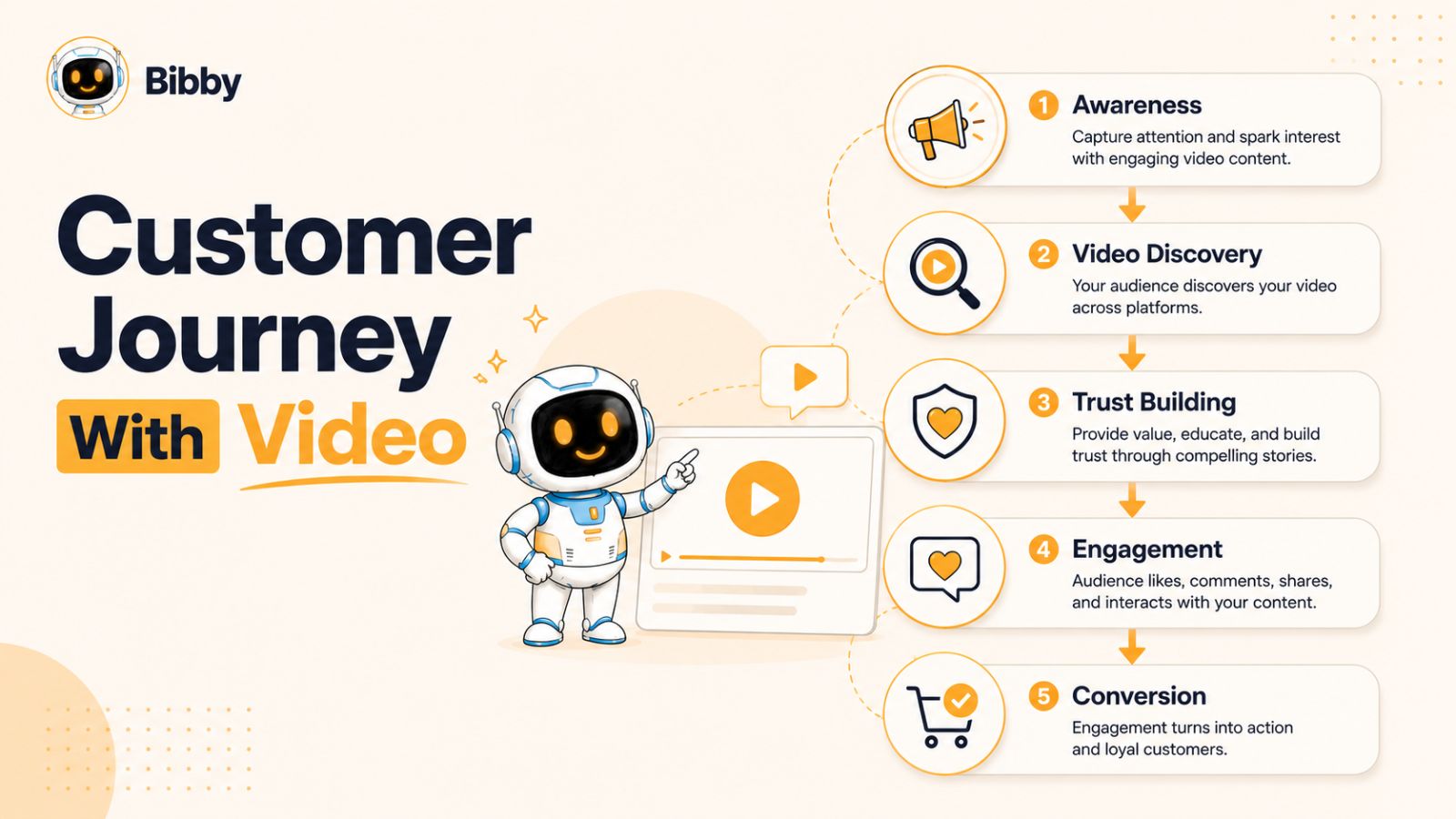
Whether you're explaining a complex topic, showcasing a product, sharing customer success stories, or providing behind-the-scenes insights, video helps audiences develop trust more quickly. This trust often translates into higher engagement, stronger brand loyalty, and increased conversions.
For businesses, video also shortens the gap between awareness and action by helping potential customers understand value before making a purchasing decision.
The Importance of Multi-Platform Distribution
While creating quality video content is important, where you publish it can be just as critical.
Different platforms attract different audiences and encourage different behaviors. A professional audience may engage with your content on LinkedIn, while the same video could reach an entirely new demographic on TikTok or Instagram. Limiting your content to a single platform means missing valuable opportunities to expand your reach.
Multi-platform distribution also reduces dependence on any one algorithm. If engagement declines on one network, your audience growth can continue through other channels. In addition, repurposing and distributing video content across multiple platforms helps maximize the value of every video you create.
The most successful creators and brands no longer think about publishing videos—they think about distributing content everywhere their audience spends time.
What Makes a Great Video Sharing Platform?
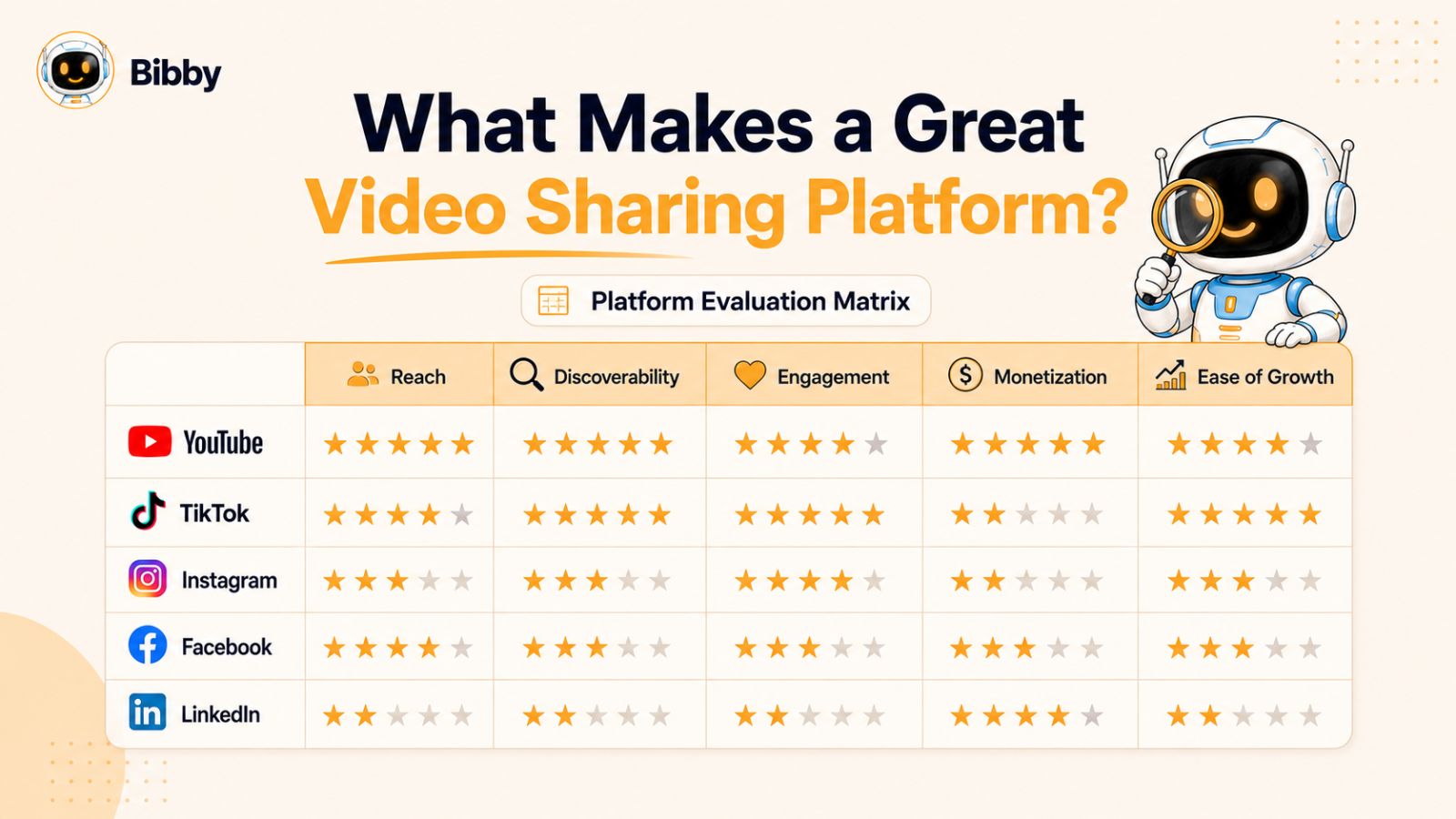
Not all video platforms offer the same opportunities for growth. While some excel at helping content go viral, others are better suited for building professional networks, generating leads, or creating long-term search traffic.
Before deciding where to publish your videos, it's important to understand the factors that separate high-performing platforms from the rest.
Audience Size and Reach
The larger and more active a platform's audience, the greater your potential reach. However, audience size alone doesn't determine success.
The best platform for your content is often the one where your target audience already spends their time. For example, a B2B company may see better results on LinkedIn than TikTok, while a lifestyle creator could experience the opposite.
When evaluating a platform, consider:
- Total active users
- Audience demographics
- Geographic reach
- Industry relevance
- User behavior patterns
A platform with a smaller but highly relevant audience can often outperform a larger platform with less targeted users.
Content Discovery Features
Audience growth depends heavily on discoverability. The easier it is for new users to find your content, the faster your audience can expand.
Modern platforms use a variety of discovery mechanisms, including:
- Recommendation algorithms
- Search functionality
- Trending feeds
- Hashtags
- Suggested content sections
Platforms like YouTube and TikTok are particularly powerful because they regularly expose content to users who don't already follow you. This allows creators and businesses to generate organic growth without relying entirely on an existing audience.
Engagement Opportunities
Views are valuable, but engagement is what builds communities.
Strong video platforms encourage interactions through:
- Comments
- Likes and reactions
- Shares and reposts
- Direct messages
- Community groups
- Live streaming features
Higher engagement signals often lead to increased visibility within platform algorithms, creating a cycle where engaging content reaches even more users.
When evaluating a platform, look beyond view counts and consider how effectively it helps you start conversations and build relationships with your audience.
Monetization and Business Potential
For many creators and businesses, audience growth is only part of the goal. The ability to generate revenue, leads, or customers is equally important.
Different platforms offer different monetization opportunities, including:
- Advertising revenue
- Creator funds
- Sponsorship opportunities
- Product sales
- Lead generation
- Website traffic
- Subscription models
For businesses, the ideal platform is one that not only attracts attention but also supports measurable business outcomes.
Consistency and Scalability
A platform may offer excellent growth potential, but it also needs to fit into a sustainable content strategy.
Publishing consistently across multiple networks can quickly become time-consuming. Creating captions, scheduling posts, adapting content formats, and monitoring performance often require significant effort.
This is why many creators, agencies, and businesses rely on automation tools to streamline their workflows. By centralizing content creation, scheduling, publishing, and analytics, it's possible to maintain a consistent presence across multiple platforms without dramatically increasing workload.
The most effective video strategy combines high-growth platforms with efficient systems that make consistent publishing possible.
YouTube – The King of Long-Term Video Growth
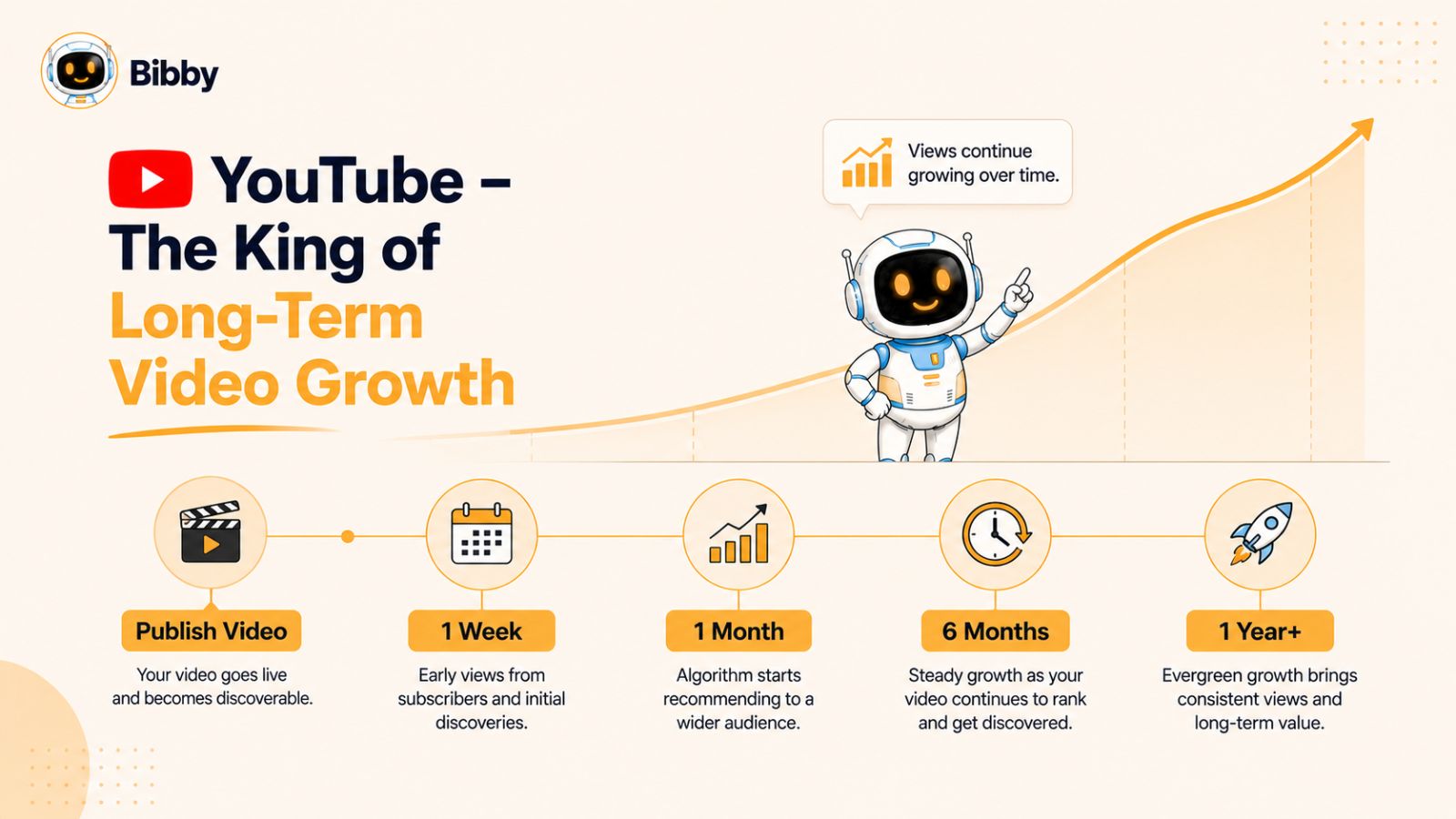
When it comes to building a sustainable audience through video, YouTube remains one of the most powerful platforms available. As the world's largest video-sharing platform and second-largest search engine, YouTube offers creators and businesses a unique combination of discoverability, longevity, and audience-building potential.
Unlike many social platforms where content disappears from feeds within days, YouTube videos can continue generating views, subscribers, and leads for months or even years after publication.
Why YouTube Remains Essential
One of YouTube's greatest strengths is its search-driven ecosystem. Millions of users visit the platform every day looking for answers, tutorials, reviews, product recommendations, and educational content.
This creates a significant advantage for content creators and businesses because videos can rank in both YouTube search results and traditional search engines. A well-optimized video can continue attracting viewers long after it is published, creating a steady source of organic traffic.
Additional benefits include:
- Massive global audience
- Strong search visibility
- Long content lifespan
- High watch-time potential
- Multiple monetization opportunities
- Growing short-form video ecosystem through YouTube Shorts
For brands focused on long-term growth, YouTube often serves as the foundation of a successful video marketing strategy.
Best Types of Videos for YouTube
While nearly any video format can perform well on YouTube, some content types consistently generate strong results.
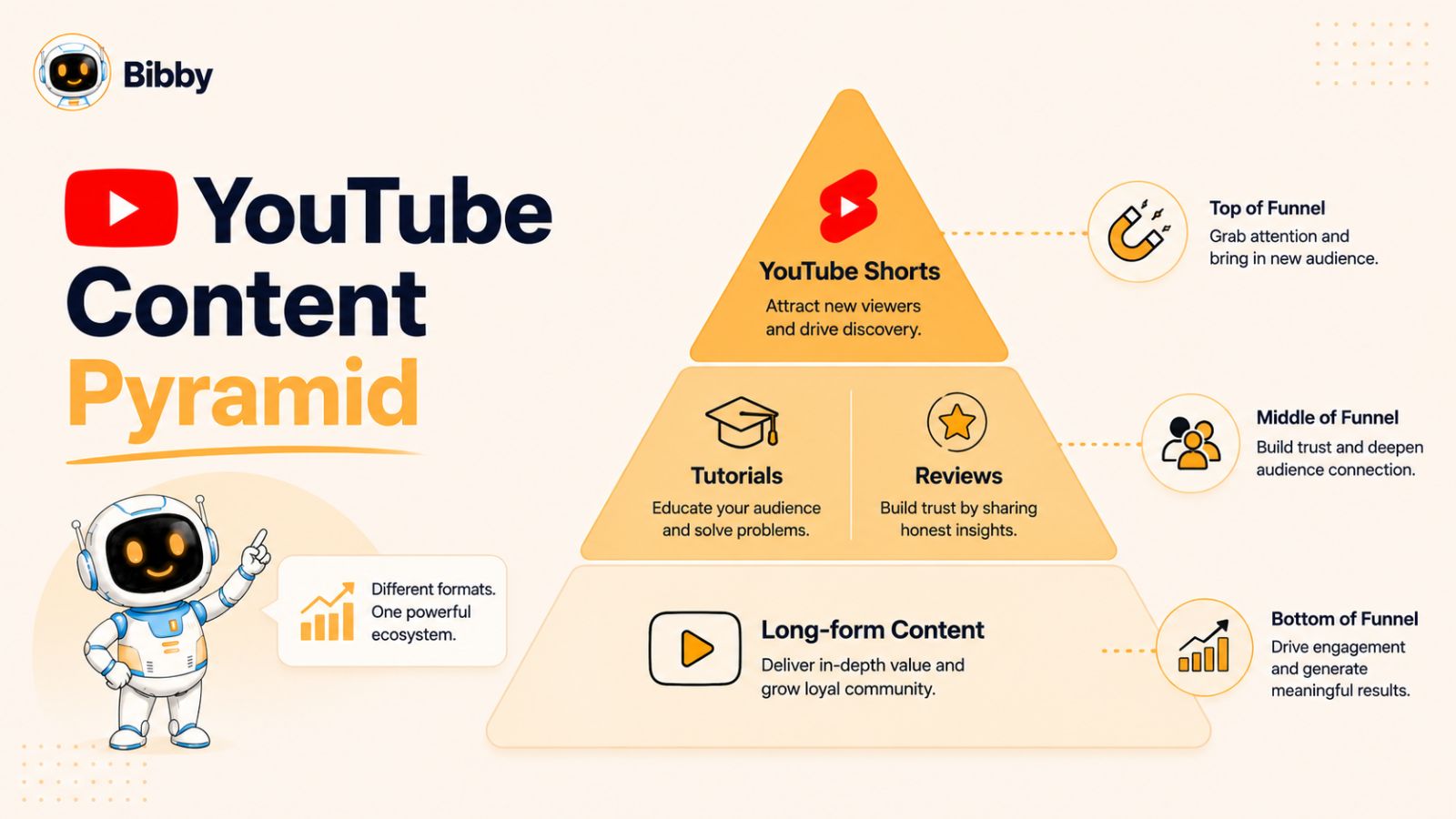
Educational and How-To Content
Tutorials, guides, and step-by-step explanations are among the most searched video categories. These videos solve specific problems and often generate evergreen traffic over time.
Product Demonstrations and Reviews
Businesses can use video to showcase products, explain features, and answer common customer questions. Review-style content also helps build credibility and trust.
Thought Leadership and Industry Insights
Experts and brands can establish authority by sharing knowledge, trends, and actionable advice related to their industry.
Long-Form Educational Content
Unlike many social platforms, YouTube rewards in-depth content that keeps viewers engaged. Detailed explanations, webinars, interviews, and case studies can perform exceptionally well.
YouTube Shorts
Short-form vertical videos offer a powerful way to reach new audiences quickly. Many creators use Shorts to drive awareness while directing viewers toward longer content.
Pros and Cons of YouTube
Advantages
- Excellent long-term discoverability
- Strong search engine visibility
- High audience growth potential
- Supports both short-form and long-form content
- Multiple monetization options
- Valuable analytics and audience insights
Limitations
- More competitive than many platforms
- Requires consistent content production
- Longer videos often demand greater production effort
- Audience growth can take time for new channels
YouTube Growth Strategy
The most successful creators and businesses treat YouTube as a content asset library rather than a simple social media channel. Every video becomes a long-term resource that can continue attracting viewers long after publication.
To maximize results, focus on creating valuable content consistently, optimizing videos for search, and repurposing content into shorter clips for other platforms. This approach allows you to extend the reach of every video while building a sustainable audience over time.
For most creators and businesses, YouTube should be a core component of any video distribution strategy due to its unmatched ability to generate long-term visibility and audience growth.
TikTok – The Fastest Way to Reach New Audiences
If YouTube is the king of long-term growth, TikTok is the champion of rapid audience discovery. The platform has revolutionized social media by making content—not follower count—the primary factor that determines reach.
This means a creator, business, or brand with a small audience can potentially generate thousands or even millions of views if their content resonates with users. For anyone looking to expand their reach quickly, TikTok remains one of the most effective video platforms available.
How TikTok's Algorithm Works
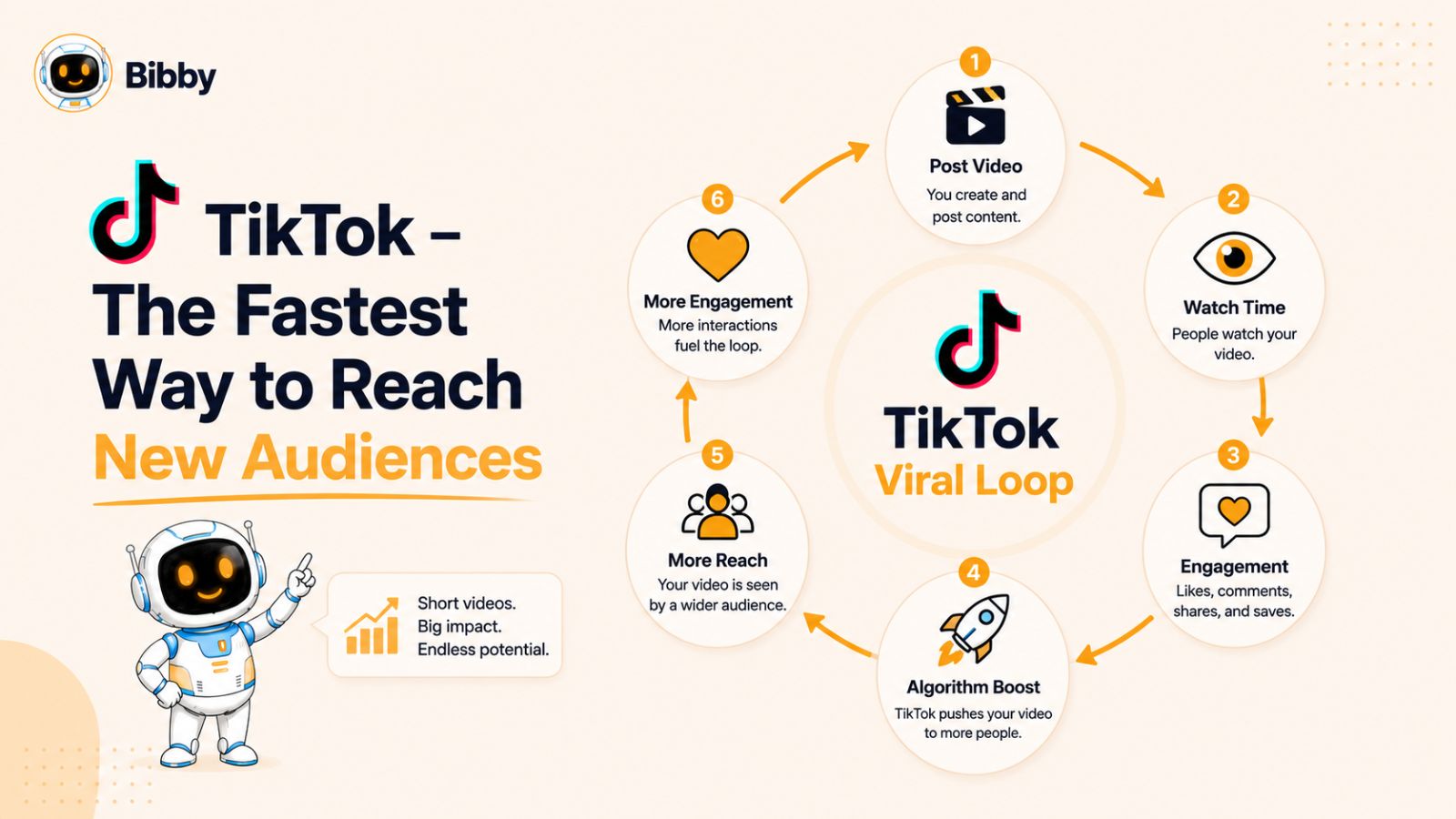
Unlike traditional social networks that primarily show content from accounts users already follow, TikTok's algorithm is designed to continuously introduce users to new creators.
The platform evaluates factors such as:
- Watch time
- Video completion rate
- Likes and comments
- Shares and saves
- User interactions
- Content relevance
When a video performs well with an initial audience, TikTok often expands its distribution to larger groups of users. This creates opportunities for rapid organic growth without requiring a large existing following.
As a result, businesses and creators can gain significant visibility even with newly created accounts.
Best Video Formats for TikTok
Success on TikTok often comes down to creating content that captures attention quickly and encourages viewers to watch until the end.
Educational Micro-Content
Short, actionable tips and insights perform particularly well because they deliver immediate value in a highly digestible format.
Examples include:
- Marketing tips
- Productivity hacks
- Industry insights
- Quick tutorials
- Business lessons
Behind-the-Scenes Content
Audiences increasingly value authenticity. Showing how products are made, how teams operate, or what happens behind the scenes can help build stronger connections with viewers.
Trend-Based Content
Participating in popular sounds, challenges, and trends can increase visibility and help content reach new audiences. However, successful brands adapt trends to fit their niche rather than copying them blindly.
Storytelling Videos
Personal experiences, customer stories, lessons learned, and case studies often generate strong engagement because they create emotional connections with viewers.
Pros and Cons of TikTok
Advantages
- Exceptional organic reach potential
- Strong content discovery algorithm
- Rapid audience growth opportunities
- Lower barrier to entry for new creators
- High engagement rates
- Effective for brand awareness
Limitations
- Shorter content lifespan
- Trends change quickly
- Audience attention spans are limited
- Growth can be unpredictable
- Less evergreen value compared to YouTube
TikTok Growth Strategy
The key to success on TikTok is consistency and experimentation. Because the platform rewards engaging content rather than established audiences, creators should focus on publishing regularly and testing different formats.
Many successful brands use TikTok as a top-of-funnel channel that introduces new audiences to their content. They then guide viewers toward other platforms such as YouTube, Instagram, websites, or email lists where deeper relationships can be built.
The challenge is maintaining a steady publishing schedule while keeping up with platform trends and audience expectations. This is where automation can become especially valuable. Scheduling content in advance, organizing video campaigns, and managing multiple social channels from a single dashboard allows businesses to stay consistent without spending hours posting manually every day.
For brands focused on audience growth, TikTok remains one of the most effective platforms for reaching new people and generating awareness at scale.
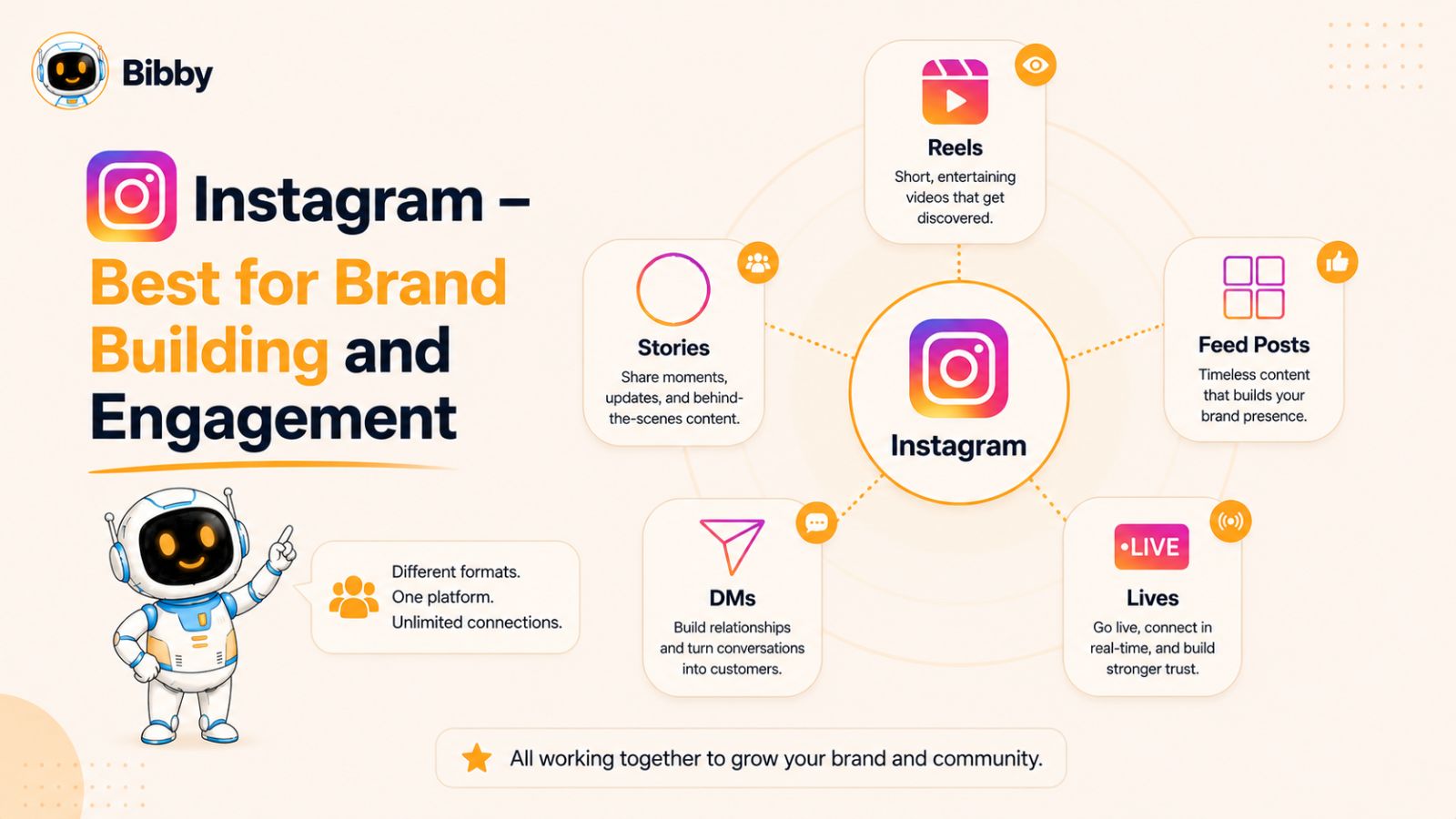
Instagram – Best for Brand Building and Engagement
Instagram has evolved far beyond a photo-sharing app. Today, it is one of the most influential platforms for creators, businesses, and brands looking to build relationships with their audiences through visual content.
While platforms like TikTok excel at rapid discovery and YouTube dominates long-form content, Instagram sits at the intersection of audience growth, engagement, and brand building. Its combination of Reels, Stories, Feed posts, and direct messaging creates multiple opportunities to connect with followers at different stages of the customer journey.
Reels vs. Stories vs. Feed Videos
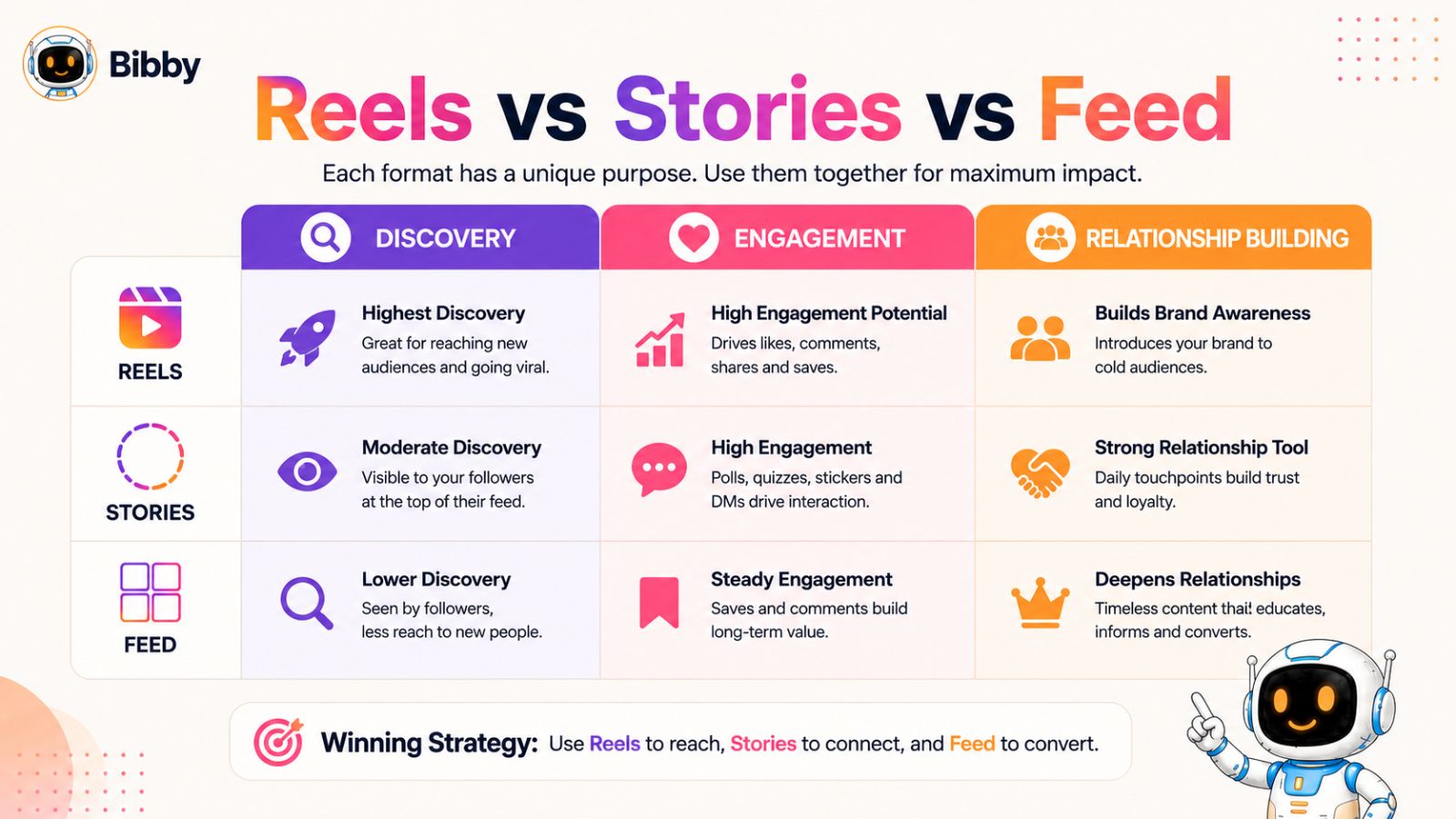
One of Instagram's biggest strengths is its variety of content formats. Each serves a different purpose and can play an important role in a comprehensive video strategy.
Instagram Reels
Reels are designed for discovery and audience growth. Similar to TikTok, they are shown to users who may not already follow your account, making them one of the best ways to attract new viewers.
Reels work particularly well for:
- Educational tips
- Product highlights
- Industry insights
- Trending content
- Quick tutorials
- Entertaining videos
Instagram Stories
Stories are focused on nurturing existing relationships rather than reaching new audiences. Because they appear at the top of the app, Stories provide a direct line of communication with your most engaged followers.
Popular Story content includes:
- Behind-the-scenes updates
- Polls and questions
- Product announcements
- Daily updates
- Event coverage
- User-generated content
Feed Videos
Traditional feed videos remain valuable for delivering polished content that aligns with your brand identity. They often generate stronger engagement from existing followers and contribute to a cohesive profile experience.
The most effective Instagram strategies combine all three formats to maximize both reach and engagement.
Growing an Audience Through Instagram Video
Instagram's algorithm rewards content that keeps users engaged and encourages interaction. While high-quality production can help, consistency and relevance are often more important.
Successful creators and businesses typically focus on:
Publishing Consistently
Regular posting helps maintain visibility and gives the algorithm more opportunities to distribute content.
Encouraging Engagement
Comments, shares, saves, and direct messages signal value to Instagram's algorithm and can increase content reach.
Leveraging Trends Strategically
Using trending audio, formats, and themes can improve discoverability, but content should still align with your brand and audience interests.
Building a Recognizable Brand
Consistency in visual style, messaging, and tone helps audiences recognize your content immediately, creating stronger brand recall over time.
Pros and Cons of Instagram
Advantages
- Strong audience engagement
- Multiple content formats
- Excellent brand-building opportunities
- Powerful visual storytelling capabilities
- Strong creator and business ecosystem
- Effective integration with Facebook advertising
Limitations
- Highly competitive platform
- Organic reach can fluctuate
- Requires consistent content production
- Trend cycles move quickly
- Content lifespan is often shorter than YouTube
Instagram Growth Strategy
The most successful Instagram accounts balance audience acquisition with relationship building. Reels help attract new followers, while Stories and feed content deepen engagement and strengthen community connections.
Because Instagram requires multiple content formats to maximize results, managing a consistent publishing schedule can quickly become challenging. Businesses often need to coordinate videos, Stories, captions, posting times, and content calendars simultaneously.
Using a centralized platform to organize, schedule, and automate Instagram content helps ensure consistency while reducing the manual effort required to stay active. This becomes even more valuable when Instagram is just one part of a broader multi-platform video distribution strategy.
For brands looking to build trust, strengthen audience relationships, and maintain a strong visual presence, Instagram remains one of the most important video marketing platforms available.
Facebook – Still Valuable for Business Video Marketing
While newer platforms often dominate conversations about social media growth, Facebook remains one of the largest and most influential platforms for video marketing. With billions of active users and deeply established communities, Facebook continues to provide significant opportunities for businesses, brands, and creators looking to reach and engage audiences at scale.
Many marketers underestimate Facebook because of the popularity of platforms like TikTok and Instagram. However, Facebook's extensive user base, powerful sharing features, and community-focused environment make it an important part of a successful video distribution strategy.
Why Facebook Video Still Works
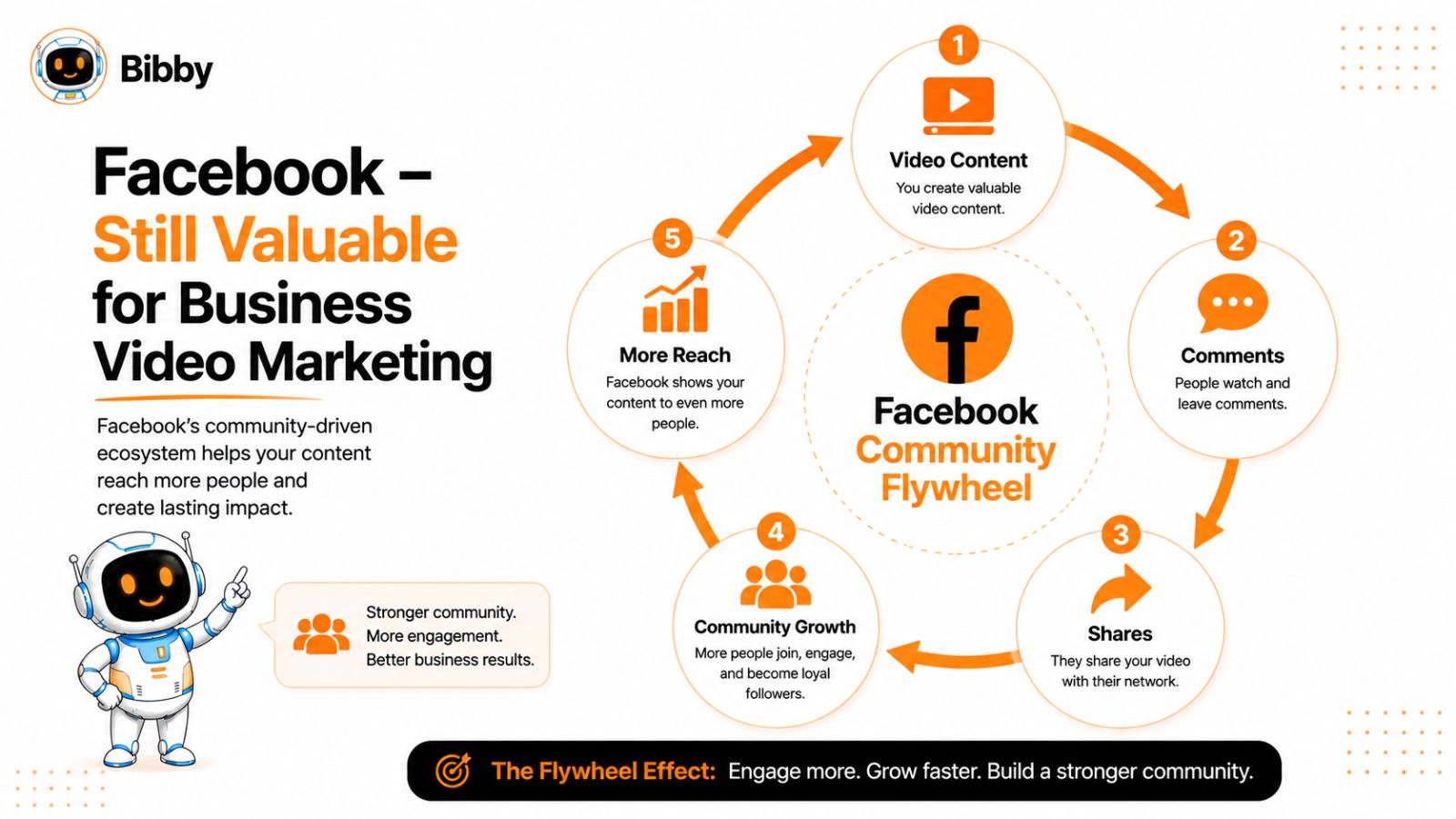
Facebook's strength lies in its ability to facilitate content sharing and community engagement. Videos that provide value, spark discussion, or encourage interaction can quickly spread through personal networks, groups, and business communities.
Unlike platforms that focus primarily on entertainment, Facebook supports a wide variety of content types, including:
- Educational videos
- Product demonstrations
- Customer testimonials
- Industry updates
- Live broadcasts
- Community discussions
Businesses can also benefit from Facebook's integration with advertising tools, making it easier to amplify high-performing video content and target specific audiences.
Best Video Strategies for Facebook
Success on Facebook often comes from creating content that encourages engagement and sharing rather than simply generating views.
Native Video Uploads
Uploading videos directly to Facebook typically performs better than sharing external links. Native videos are often prioritized in users' feeds and create a smoother viewing experience.
Educational Content
Helpful, informative videos tend to generate strong engagement because users are more likely to share content that provides value to their networks.
Examples include:
- How-to guides
- Industry tips
- Product tutorials
- Frequently asked questions
- Expert advice
Community and Group Content
Facebook Groups remain one of the platform's most powerful features. Sharing relevant videos within active communities can drive engagement and establish authority within a specific niche.
Live Video
Live broadcasts allow businesses to interact directly with audiences through real-time conversations, product launches, webinars, and Q&A sessions.
Pros and Cons of Facebook
Advantages
- Massive global audience
- Strong sharing and community features
- Excellent targeting capabilities
- Supports both organic and paid strategies
- Effective for local businesses and brands
- Robust analytics and advertising tools
Limitations
- Organic reach can be limited for business pages
- Highly competitive content environment
- Younger audiences may be more active elsewhere
- Requires consistent engagement to maintain visibility
Facebook Growth Strategy
The most effective Facebook video strategies focus on building communities rather than simply accumulating views. Videos that encourage conversations, shares, and meaningful interactions tend to perform best over time.
Businesses should also view Facebook as part of a larger content ecosystem. A single video can be repurposed across Facebook Pages, Groups, Reels, Stories, and advertising campaigns, maximizing the return on content creation efforts.
However, managing multiple formats, publishing schedules, and audience segments can become increasingly complex. Maintaining consistency often requires a structured content workflow that allows teams to plan, schedule, and monitor performance efficiently.
For businesses seeking a combination of audience reach, community engagement, and advertising capabilities, Facebook remains one of the most valuable video marketing platforms available today.
LinkedIn – The Best Platform for B2B Video Content
When it comes to reaching professionals, decision-makers, and business leaders, LinkedIn stands in a category of its own. While platforms like TikTok and Instagram focus heavily on entertainment and lifestyle content, LinkedIn is designed around professional networking, industry insights, and business growth.
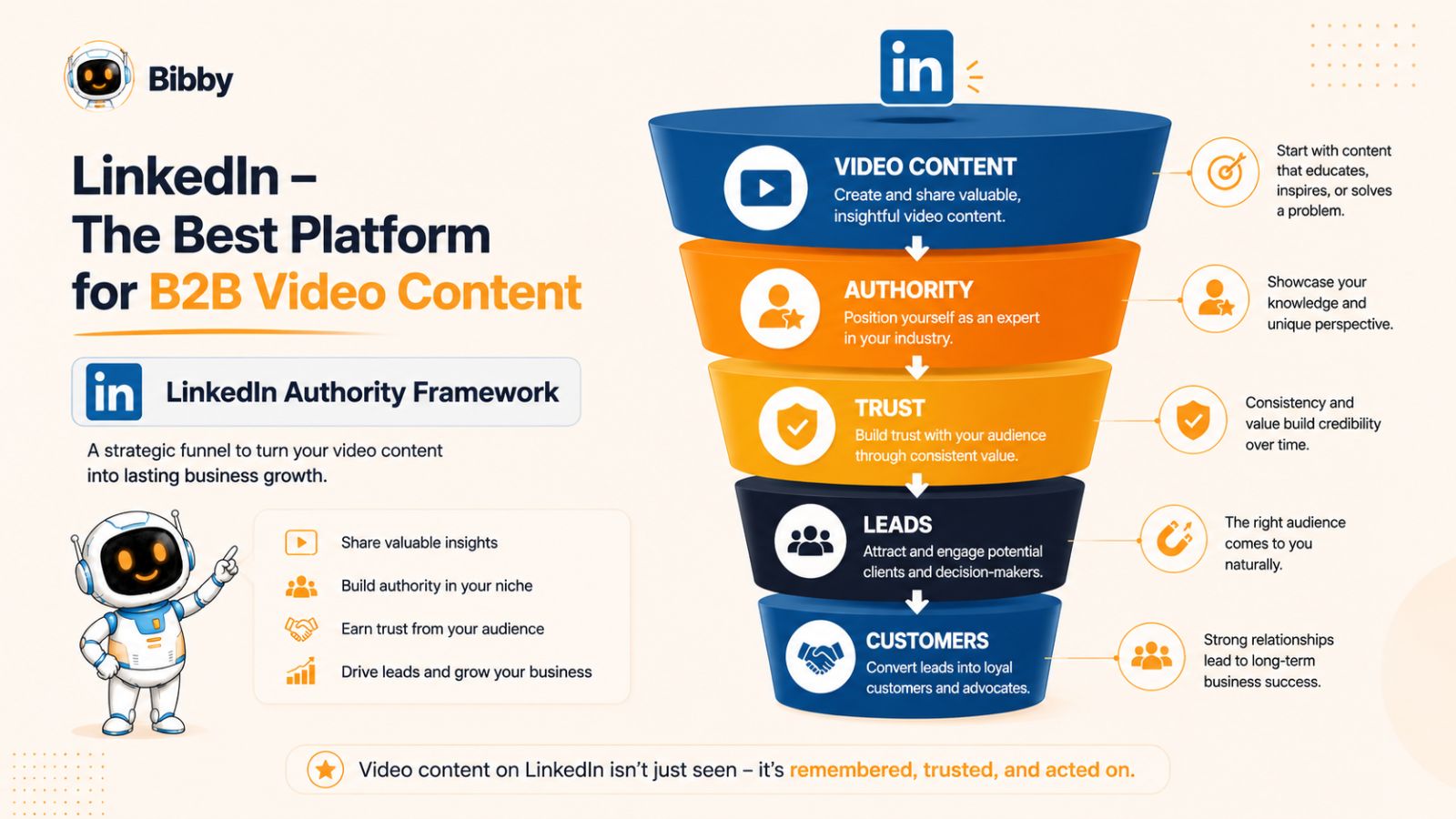
For B2B companies, consultants, agencies, SaaS businesses, and industry experts, LinkedIn video can be one of the most effective ways to build authority, generate leads, and establish meaningful professional relationships.
Why Professionals Engage With Video on LinkedIn
Business audiences are increasingly consuming content in video format because it allows them to learn quickly and engage with information more efficiently.
Video content on LinkedIn helps professionals:
- Stay informed about industry trends
- Learn new skills and strategies
- Discover innovative solutions
- Evaluate potential vendors and partners
- Build relationships with industry experts
Because the platform is built around professional interests, high-quality educational and thought leadership content often performs exceptionally well.
Unlike some social networks where entertainment drives engagement, LinkedIn users typically reward content that helps them solve business problems, improve performance, or make better decisions.
Effective LinkedIn Video Content Ideas
Not every type of video performs equally well on LinkedIn. The platform tends to favor content that demonstrates expertise and provides practical value.
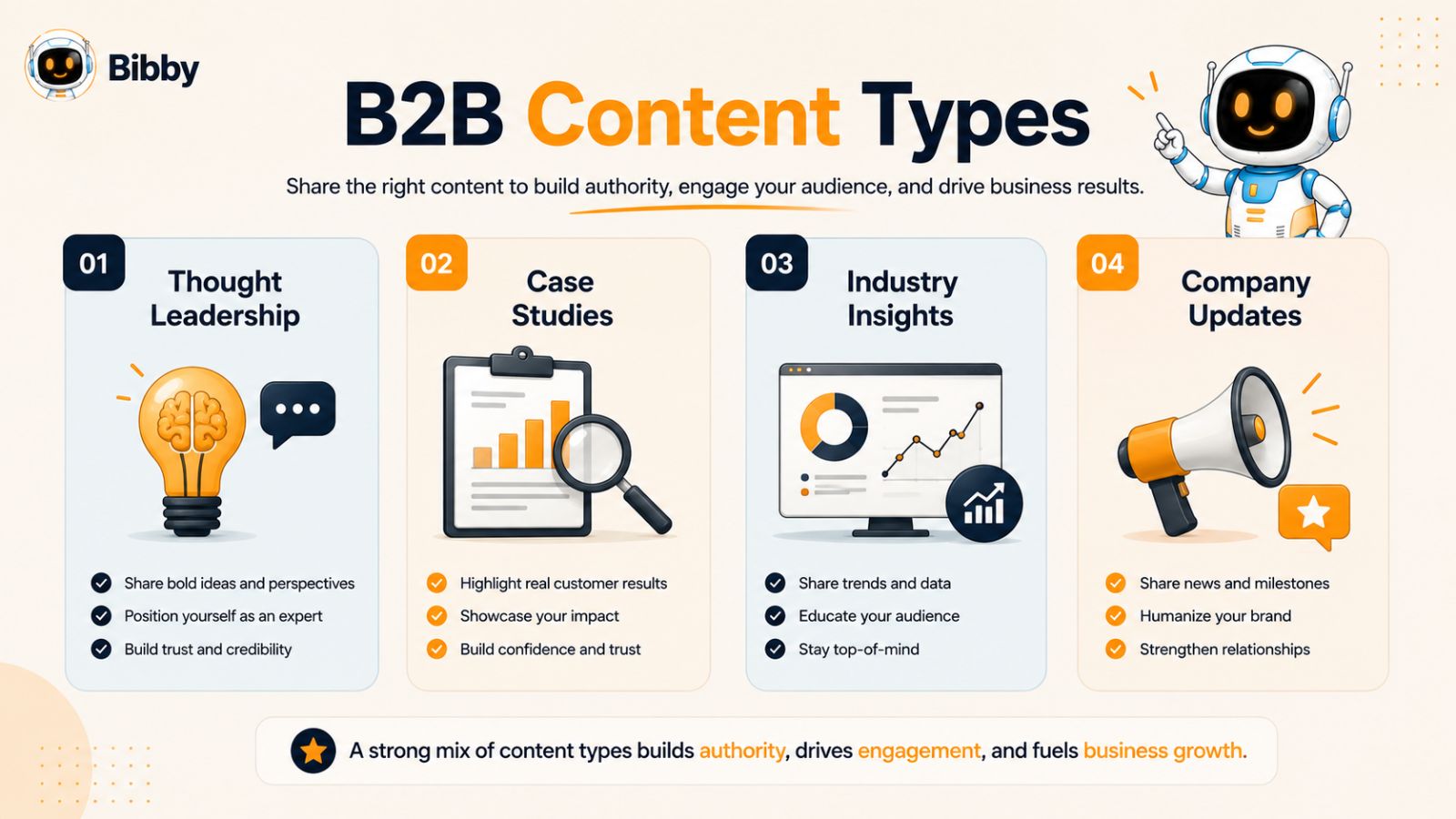
Industry Insights and Trends
Sharing observations about market changes, emerging technologies, and industry developments helps position your brand as a trusted source of information.
Thought Leadership Content
Professionals often follow creators and businesses that offer unique perspectives and actionable advice. Video is an effective medium for communicating expertise and building credibility.
Examples include:
- Strategic frameworks
- Business lessons
- Leadership advice
- Marketing insights
- Sales strategies
- Operational best practices
Case Studies and Success Stories
Real-world examples provide social proof while demonstrating how products, services, or strategies deliver results.
Businesses can use video to highlight:
- Client success stories
- Project outcomes
- Lessons learned
- Performance improvements
- Transformation journeys
Company Updates and Behind-the-Scenes Content
People connect with people, even in B2B environments. Videos that showcase company culture, team expertise, and organizational values can strengthen brand perception and attract both customers and talent.
Pros and Cons of LinkedIn
Advantages
- Highly targeted professional audience
- Strong B2B lead generation potential
- Excellent thought leadership opportunities
- Lower competition than some consumer-focused platforms
- High-value networking environment
- Strong organic reach for quality content
Limitations
- Smaller audience compared to major consumer platforms
- Less suitable for entertainment-focused content
- Growth can be slower than TikTok or Instagram
- Requires consistent professional value delivery
LinkedIn Growth Strategy
Success on LinkedIn comes from consistency, expertise, and audience relevance. Rather than chasing viral trends, the most effective creators focus on delivering valuable insights that help professionals solve real business challenges.
Video can accelerate trust-building because it allows audiences to hear your perspective, understand your expertise, and connect with your brand on a more personal level.
For businesses managing content across LinkedIn, Facebook, Instagram, TikTok, and YouTube simultaneously, maintaining a consistent posting schedule can become difficult. Each platform has different audiences, content expectations, and optimal publishing times.
This is why many marketers and agencies are increasingly turning to social media automation platforms that simplify content planning, scheduling, publishing, and performance tracking. By centralizing these activities, teams can maintain a strong LinkedIn presence while efficiently managing their broader multi-platform content strategy.
For organizations focused on B2B growth, lead generation, and professional authority, LinkedIn remains one of the most valuable video distribution channels available.
Other Video Platforms Worth Considering
While YouTube, TikTok, Instagram, Facebook, and LinkedIn dominate most video marketing conversations, they aren't the only platforms capable of driving audience growth. Depending on your goals, niche, and target audience, several additional platforms can play an important role in your content distribution strategy.
The key is understanding where your audience spends time and how each platform supports content discovery and engagement.
X (Twitter) Video
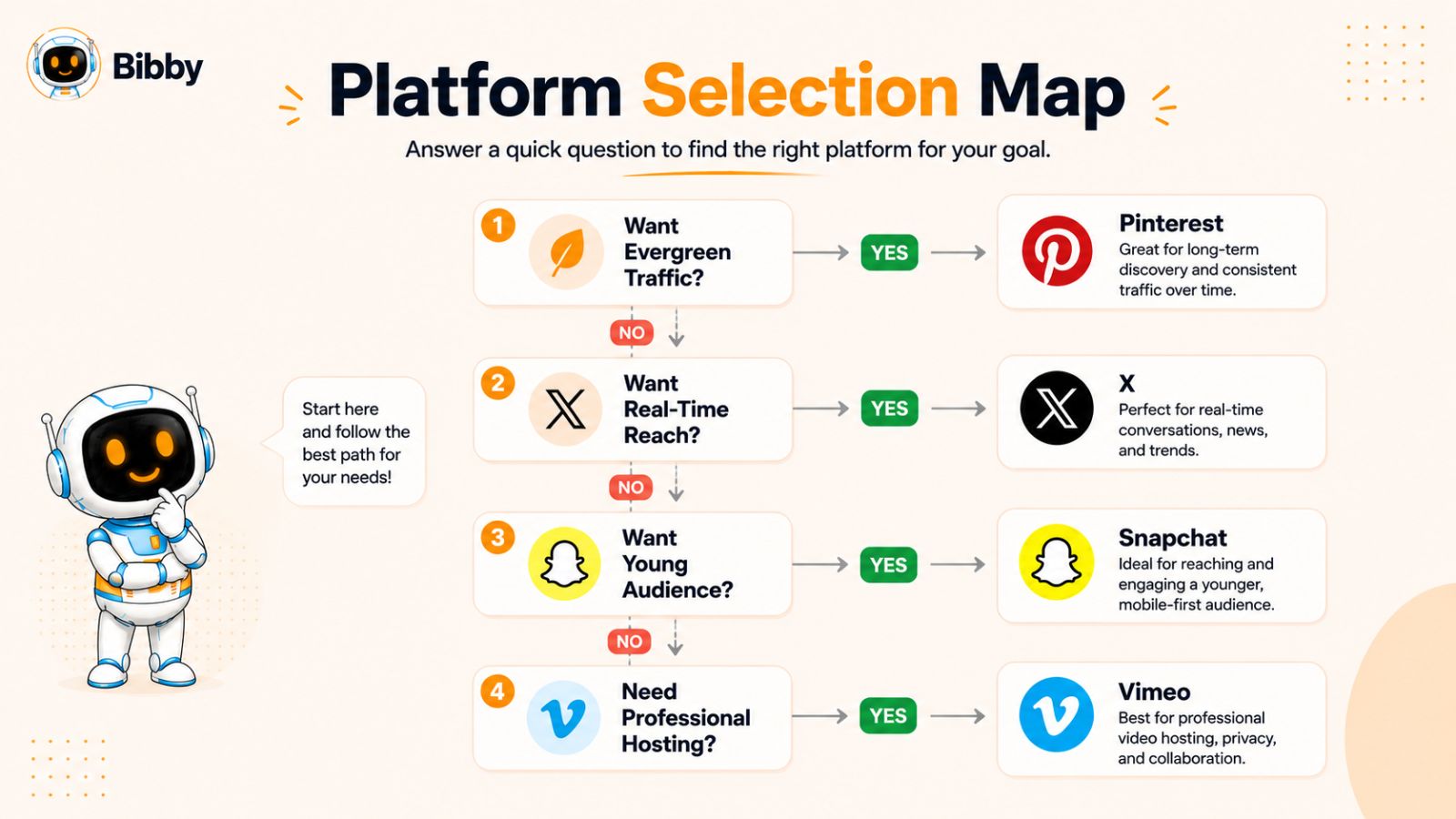
X remains one of the most effective platforms for real-time conversations, news, and industry discussions. Video content performs particularly well when it contributes to trending topics or provides quick, valuable insights.
Businesses, creators, and thought leaders often use video on X to:
- Share industry commentary
- React to current events
- Highlight product updates
- Promote long-form content
- Engage with communities
Because content moves quickly on the platform, videos are most effective when they capture attention immediately and deliver value within the first few seconds.
Best for: Industry experts, news-focused brands, technology companies, and thought leaders.
Pinterest Video
Pinterest functions more like a visual search engine than a traditional social network. Users actively search for ideas, inspiration, tutorials, and solutions, making the platform particularly valuable for evergreen content.
Video Pins can help businesses reach users during the research and planning stages of their customer journey.
Popular categories include:
- Home improvement
- Fashion
- Beauty
- Food and recipes
- DIY projects
- Marketing and business education
One major advantage of Pinterest is content longevity. Unlike many social platforms where posts disappear quickly, Pinterest content can continue generating traffic and visibility for months.
Best for: Brands focused on discovery, search-driven traffic, and evergreen content.
Snapchat Spotlight
Snapchat Spotlight offers creators and businesses another opportunity to reach younger audiences through short-form vertical video.
The platform focuses on:
- Entertaining content
- User-generated videos
- Viral trends
- Lifestyle content
- Authentic storytelling
While it may not be a primary platform for every business, Snapchat can be valuable for brands targeting Gen Z and younger demographics.
Best for: Consumer brands, lifestyle creators, and youth-focused marketing campaigns.
Vimeo
Unlike traditional social media platforms, Vimeo is primarily a professional video hosting and distribution platform.
Businesses often choose Vimeo because it provides:
- High-quality video playback
- Advanced privacy controls
- Professional presentation options
- Custom branding capabilities
- Embedded video solutions
Vimeo is less focused on audience discovery and more focused on delivering a premium viewing experience.
Best for: Professional brands, agencies, online courses, corporate communications, and portfolio presentations.
Which Additional Platforms Should You Prioritize?
The answer depends on your audience and objectives.
- Choose X if your strategy relies on industry conversations and timely engagement.
- Choose Pinterest if you want long-term discovery and search-driven traffic.
- Choose Snapchat Spotlight if you're targeting younger audiences.
- Choose Vimeo if professional video hosting and presentation quality are priorities.
However, most businesses don't need to be everywhere at once. The goal is to identify the platforms that align with your audience and then distribute content consistently across those channels.
As your content strategy matures, you'll often discover that different platforms serve different purposes. Some generate awareness, others build engagement, and others drive conversions. The most successful brands combine multiple platforms into a coordinated distribution strategy rather than relying on a single channel for growth.
This leads to an important question: if every platform offers unique advantages, is publishing on just one platform enough to maximize your results?
Also read: Best Hootsuite Alternative for Small Business
Why Publishing on Just One Platform Is a Mistake
Many creators and businesses invest significant time and resources into producing high-quality video content, only to limit its potential by publishing it on a single platform. While focusing on one channel may seem simpler, it often restricts audience growth, reduces visibility, and leaves opportunities untapped.
In today's digital landscape, successful brands think beyond individual platforms. They focus on content distribution—ensuring that every piece of content reaches as many relevant audiences as possible.
Every Platform Has Different Audiences
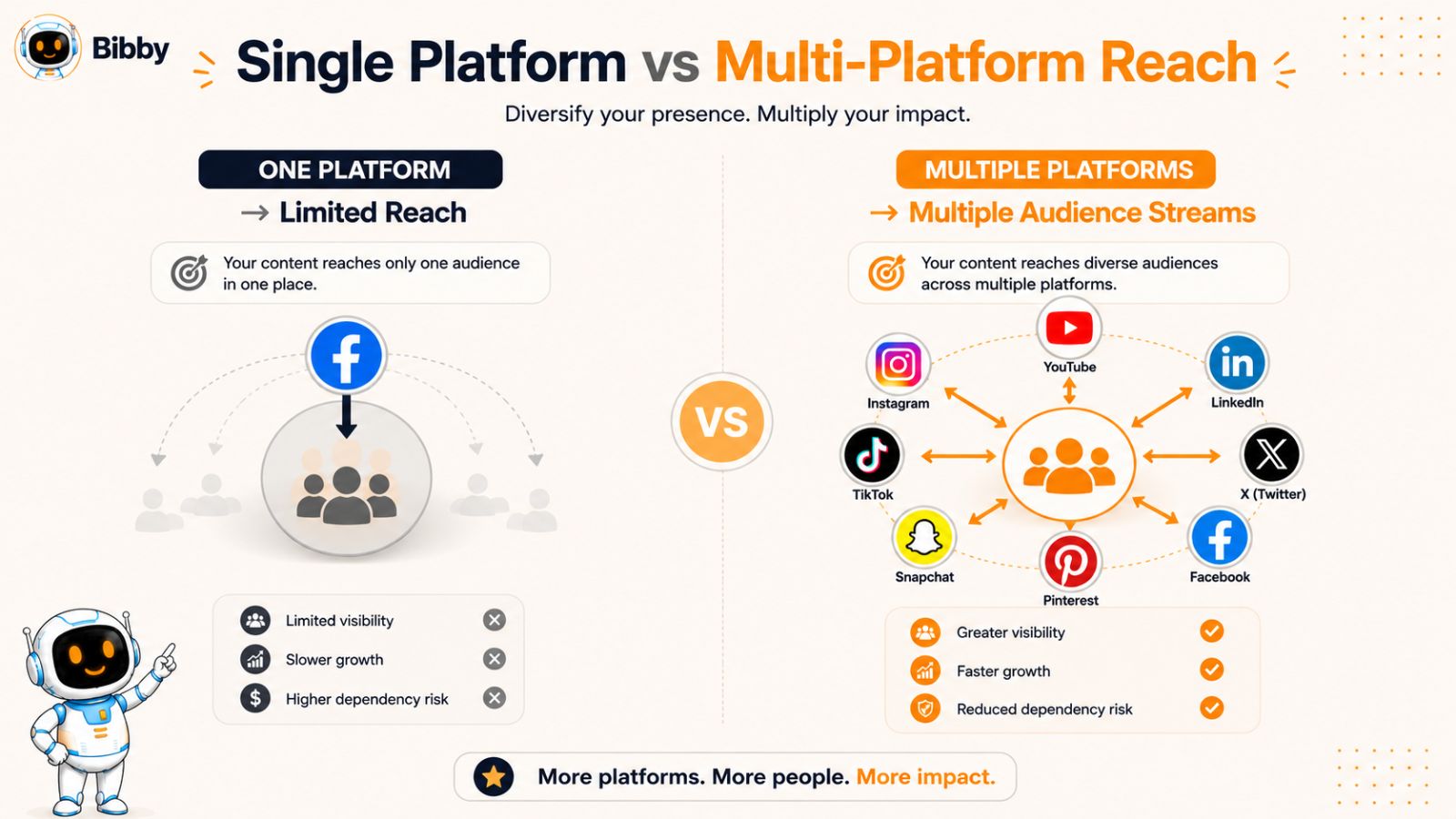
No single social media platform contains your entire target audience.
Some users spend most of their time watching tutorials on YouTube, while others discover content through TikTok, engage with brands on Instagram, participate in communities on Facebook, or consume professional insights on LinkedIn.
Even when the same person uses multiple platforms, their behavior often changes depending on the platform they're using.
For example:
- A user may watch educational videos on YouTube.
- Browse quick tips on TikTok.
- Follow brands on Instagram.
- Engage in industry discussions on LinkedIn.
- Participate in communities on Facebook.
By publishing on only one platform, you're effectively limiting your ability to reach potential followers, customers, and advocates who may be active elsewhere.
Algorithm Risk Is Real
Relying on a single platform also creates a significant business risk.
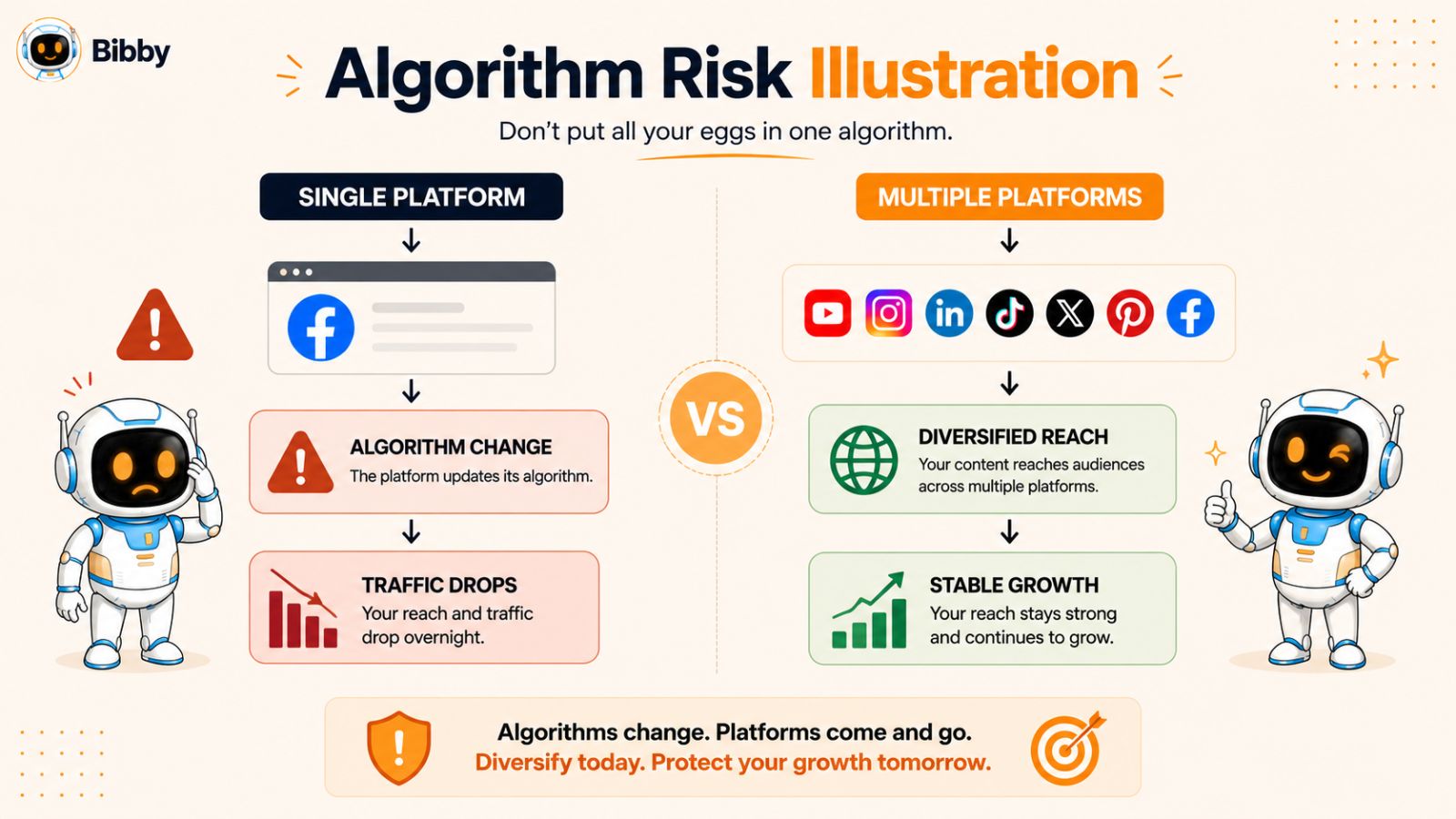
Social media algorithms constantly evolve. A strategy that generates strong results today may become less effective tomorrow due to platform updates, changing user behavior, or increased competition.
Many creators and businesses have experienced sudden declines in reach after algorithm changes, despite maintaining the same content quality and publishing frequency.
Diversifying your content distribution helps protect against these fluctuations.
Instead of depending on one platform for visibility, you create multiple pathways for audience growth. If performance declines on one channel, other platforms can continue driving engagement, traffic, and leads.
The Benefits of Omnichannel Video Distribution
Publishing across multiple platforms allows you to maximize the value of every video you create.
Rather than producing separate content for each network, many successful brands adapt and distribute the same core video across several platforms.
This approach offers several benefits:
Increased Reach
Each platform exposes your content to a different audience, expanding your overall visibility.
More Opportunities for Engagement
The same video may generate comments on LinkedIn, shares on Facebook, saves on Instagram, and views on YouTube simultaneously.
Improved Brand Recognition
When audiences encounter your content across multiple platforms, familiarity and trust increase over time.
Better Return on Content Investment
Creating high-quality video content requires time and resources. Multi-platform distribution helps ensure you get maximum value from every piece of content you produce.
The Challenge of Managing Multiple Platforms
While the benefits of multi-platform publishing are clear, execution is often where businesses struggle.
Managing several social networks manually typically involves:
- Uploading videos multiple times
- Writing unique captions
- Adjusting content formats
- Scheduling posts individually
- Tracking analytics across platforms
- Maintaining a consistent content calendar
As the number of platforms increases, so does the workload.
For creators, agencies, and marketing teams, this complexity often becomes the biggest obstacle to maintaining a consistent social media presence.
The reality is that most businesses don't need to create more content—they need a more efficient way to distribute the content they're already producing.
That's why automation has become a critical part of modern video marketing. By simplifying content creation, scheduling, publishing, and performance tracking, businesses can scale their reach without dramatically increasing the time spent managing social media.
The next step is understanding how to share video content across multiple platforms efficiently without turning social media management into a full-time job.
How to Share Video Content Across Multiple Platforms Efficiently
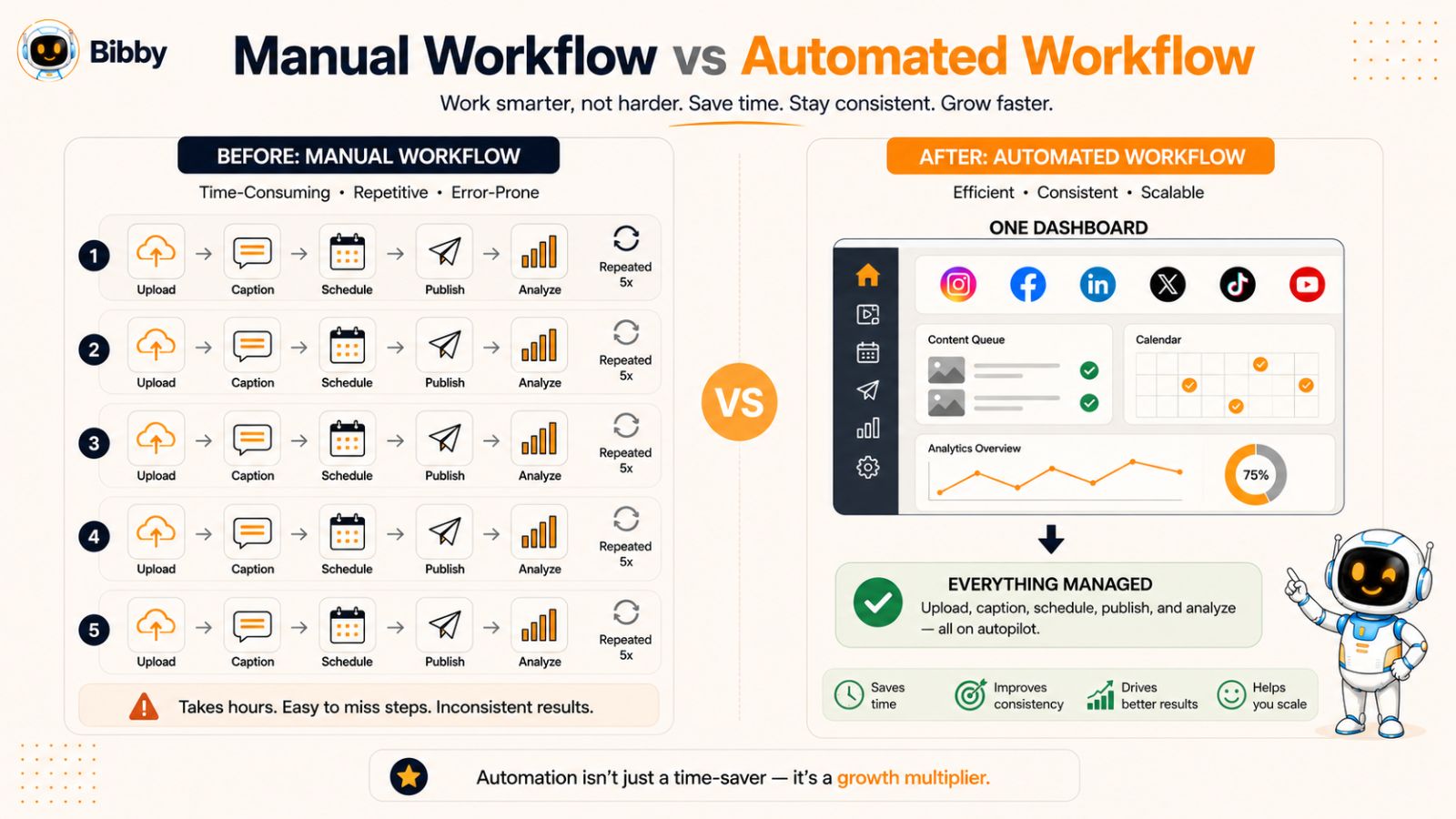
Most businesses understand the value of publishing video content across multiple platforms. The challenge is doing it consistently without spending hours every week managing uploads, captions, schedules, and performance reports.
As content demands continue to increase, manual social media management becomes increasingly difficult to sustain. To grow efficiently, creators and businesses need systems that allow them to distribute content at scale without sacrificing quality or consistency.
Common Challenges of Multi-Platform Publishing
Managing a single social media account is relatively straightforward. Managing several platforms simultaneously is a different story.
Many marketers and business owners face challenges such as:
- Uploading content separately to each platform
- Creating captions for every post
- Maintaining a consistent brand voice
- Scheduling content across multiple channels
- Tracking publishing dates and deadlines
- Coordinating campaigns across teams
- Monitoring performance in multiple dashboards
These tasks may seem manageable individually, but together they can consume a significant portion of a team's time each week.
As a result, many businesses struggle to maintain the consistency required for sustained audience growth.
Why Manual Posting Doesn't Scale
In the early stages, manually publishing content can be effective. However, as content volume increases, the process becomes inefficient.
Consider a business publishing:
- Three Instagram Reels per week
- Two TikTok videos per week
- Three LinkedIn posts per week
- Two Facebook videos per week
- One YouTube video per week
Even with a modest content strategy, the administrative workload quickly adds up.
Teams often spend more time managing content distribution than creating the content itself.
This leads to common problems such as:
- Missed posting opportunities
- Inconsistent publishing schedules
- Reduced content output
- Team bottlenecks
- Burnout and inefficiency
The Importance of Consistency
One of the biggest factors influencing social media growth is consistency.
Platforms reward accounts that publish regularly because consistent content helps keep users engaged. Audiences also develop expectations around posting frequency, making consistency critical for maintaining visibility and trust.
Unfortunately, consistency is often the first thing that suffers when workflows become too complex.
Businesses frequently create valuable content but fail to distribute it effectively because manual processes create unnecessary friction.
Why Automation Has Become Essential
Social media automation helps eliminate repetitive tasks while allowing teams to focus on strategy, creativity, and audience engagement.
Instead of manually handling every step of the publishing process, automation tools can streamline activities such as:
- Content scheduling
- Caption generation
- Publishing workflows
- Content calendars
- Cross-platform distribution
- Performance monitoring
- Campaign planning
This enables businesses to maintain a stronger social media presence without significantly increasing workload.
Building a Scalable Content Distribution System
The most successful brands treat content distribution as a system rather than a series of individual tasks.
A scalable workflow typically follows this process:
- Create content.
- Optimize it for multiple platforms.
- Schedule publication in advance.
- Publish consistently.
- Track performance.
- Refine future content based on results.
When these steps are centralized and automated, teams can publish more content, reach more people, and achieve better results with less effort.
The question is no longer whether businesses should publish across multiple platforms—it's how they can do it efficiently.
This is where purpose-built social media automation platforms become valuable. Instead of juggling multiple tools and dashboards, businesses can manage content creation, scheduling, publishing, analytics, and performance tracking from a single system.
The next section explores how Bibby helps creators, marketers, agencies, and businesses automate their entire social media workflow while maintaining a consistent presence across every major platform.
How Bibby Helps You Grow Faster with Multi-Platform Video Distribution
Creating great video content is only half the battle. To grow an audience consistently, businesses and creators must also manage content planning, caption writing, scheduling, publishing, analytics, and performance optimization across multiple platforms.
This is where many social media workflows become inefficient.
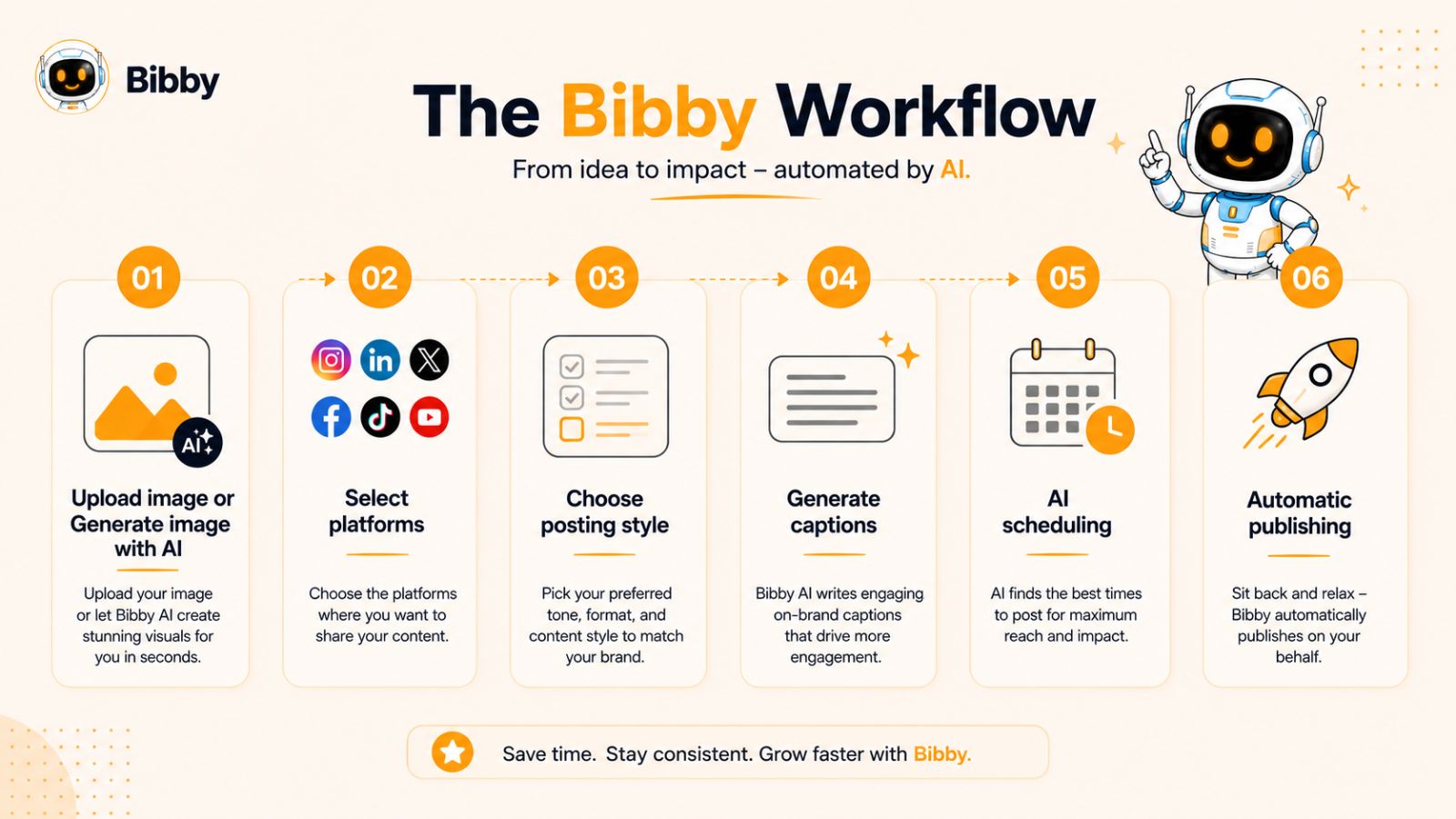
Bibby simplifies the entire process by bringing content creation, scheduling, publishing, and performance tracking into a single AI-powered platform. Instead of juggling multiple tools and dashboards, users can manage their complete social media strategy from one centralized workspace.
Create and Publish Video Content From One Dashboard
One of the biggest challenges of multi-platform marketing is managing content across several networks simultaneously.
With Bibby, users can upload video content once and distribute it across supported platforms, including:
- TikTok
- YouTube
- Additional supported social networks
This centralized approach eliminates the need to repeatedly upload the same content to multiple platforms, saving time and reducing administrative work.
Whether you're managing one brand or dozens of client accounts, a unified workflow makes content distribution significantly more efficient.
AI-Generated Captions That Match Your Brand Voice
Writing engaging captions for every social media post can be one of the most time-consuming aspects of content marketing.
Bibby's AI-powered content engine helps automate this process by generating captions tailored to your content, audience, and brand style.
Users can customize:
- Brand voice
- Tone of communication
- Writing style
- Content preferences
- Audience focus
This helps ensure that posts remain consistent across platforms while reducing the time spent creating copy manually.
Instead of staring at a blank screen, marketers can generate relevant captions in seconds and focus their attention on higher-value activities.
Create Visual Content With AI or Upload Your Own Assets
Successful social media strategies often require a steady stream of visual content in addition to videos.
Bibby gives users the flexibility to:
- Upload their own images
- Use existing brand assets
- Generate images with AI
- Create content variations for different campaigns
This makes it easier to maintain a consistent content pipeline without constantly searching for new creative assets.
For businesses that publish frequently, AI-assisted content creation can significantly reduce production bottlenecks.
Schedule Content at AI-Optimized Times
Even the best content can underperform if it's published when audiences aren't active.
Bibby helps users maximize reach and engagement by automatically scheduling content at AI-optimized posting times based on audience behavior and platform performance.
Benefits include:
- Improved visibility
- Increased engagement opportunities
- Better publishing consistency
- Reduced manual scheduling effort
Rather than guessing when to post, users can rely on data-driven recommendations designed to improve performance.
Manage Your Entire Content Calendar
Maintaining a consistent social media presence requires planning.
Bibby's content calendar provides a centralized view of upcoming campaigns, scheduled posts, and publishing activity.
Teams can:
- Plan content weeks or months in advance
- Organize campaigns more effectively
- Identify publishing gaps
- Coordinate across departments or clients
- Maintain a predictable posting schedule
This visibility helps ensure that content strategies remain organized and aligned with business goals.
Bulk Schedule and Automate Repetitive Tasks
As content production scales, manual publishing becomes increasingly difficult.
Bibby's bulk scheduling capabilities allow users to plan and queue large volumes of content efficiently, making it easier to manage ongoing campaigns without constant intervention.
For agencies and businesses managing multiple brands, this can save countless hours every month.
Automation reduces repetitive administrative work while helping teams maintain a consistent presence across every platform they support.
Measure What Matters With Built-In Analytics
Publishing content is only part of the process. Understanding what works is equally important.
Bibby provides performance tracking and analytics that help users evaluate the effectiveness of their social media efforts.
Key insights may include:
- Engagement metrics
- Audience growth
- Content performance trends
- Platform comparisons
- Campaign effectiveness
These insights help users make more informed decisions and continuously improve their content strategies over time.
Save Hours Every Week While Staying Consistent
The biggest advantage of social media automation isn't simply convenience—it's consistency.
Many businesses struggle to grow because their posting schedules become irregular when workloads increase. Bibby helps solve this problem by automating many of the repetitive tasks associated with social media management.
Instead of spending hours every week:
- Writing captions
- Uploading content
- Scheduling posts
- Managing calendars
- Monitoring multiple platforms
Users can streamline their workflow through a single platform and focus more time on creating valuable content and growing their business.
Why Bibby Fits Modern Video Marketing Strategies
The most successful brands today don't rely on a single platform. They distribute content across multiple channels, maintain consistent publishing schedules, and use data to improve performance over time.
Bibby supports this approach by helping creators, marketers, agencies, and businesses automate the operational side of social media management. By simplifying content creation, scheduling, publishing, and analytics, it enables users to scale their audience growth without dramatically increasing the time required to manage their social presence.
As multi-platform video distribution becomes increasingly important, having an efficient system in place can be the difference between sporadic growth and sustainable long-term success.
Also read: Why Every Small Business Should Use a Social Media Scheduling Tool?
Best Practices for Video Content Distribution
Choosing the right platforms is important, but long-term success depends on how effectively you distribute your content. The most successful creators and businesses don't simply publish videos—they follow a strategic distribution process designed to maximize reach, engagement, and results.
Whether you're managing a personal brand, growing a business, or running campaigns for clients, these best practices can help you get more value from every video you create.
Adapt Content for Each Platform
While it's tempting to post the exact same video everywhere, each platform has unique audience behaviors, content formats, and engagement patterns.
Small adjustments can significantly improve performance.
Consider adapting:
- Video length
- Captions
- Hashtags
- Thumbnails
- Calls-to-action
- Video dimensions
For example, a long-form YouTube tutorial might be repurposed into shorter clips for TikTok, Instagram Reels, Facebook Reels, and LinkedIn video posts.
This approach allows you to maximize content reach without creating entirely new videos for every platform.
Post Consistently
Consistency remains one of the most important factors in audience growth.
Regular publishing helps:
- Increase visibility
- Strengthen audience trust
- Improve algorithmic performance
- Create predictable engagement patterns
Many creators struggle not because their content lacks quality, but because their publishing schedule becomes inconsistent over time.
A realistic posting schedule that can be maintained consistently is usually more effective than an aggressive schedule that becomes difficult to sustain.
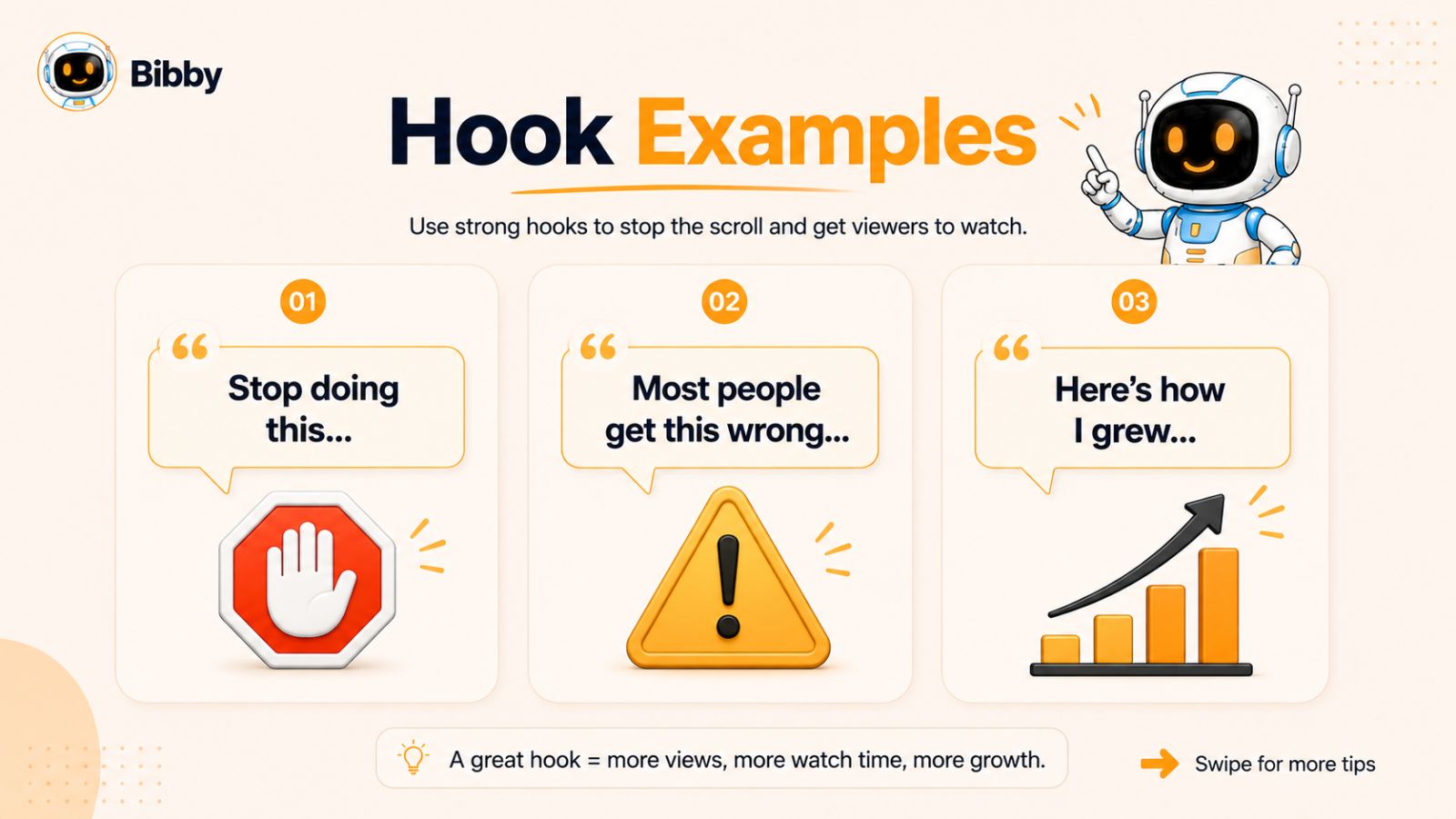
Focus on the First Few Seconds
Audience attention is limited, particularly on short-form video platforms.
The opening moments of a video often determine whether viewers continue watching or scroll away.
Effective hooks may include:
- Surprising statistics
- Bold statements
- Questions
- Common mistakes
- Quick demonstrations
- Clear value propositions
Capturing attention early can improve watch time, engagement, and overall content performance.
Track Performance Metrics
Growth becomes much easier when decisions are guided by data.
Rather than relying on assumptions, monitor performance indicators such as:
- Views
- Watch time
- Audience retention
- Engagement rates
- Shares
- Saves
- Click-through rates
- Conversions
Over time, these insights reveal which topics, formats, and distribution channels generate the strongest results.
The goal is not simply to create more content, but to create more effective content.
Repurpose High-Performing Content
Many businesses make the mistake of constantly creating new content while overlooking assets that have already proven successful.
High-performing videos can often be repurposed into:
- Short-form clips
- Quote graphics
- Carousel posts
- Blog content
- Email newsletters
- Webinar topics
- Case studies
Repurposing extends the lifespan of content and improves return on investment without requiring additional production effort.
Maintain a Consistent Brand Voice
Audiences should recognize your content regardless of where they encounter it.
Consistency in messaging, tone, visual style, and communication helps strengthen brand recognition and trust.
This includes:
- Writing style
- Design elements
- Visual branding
- Content themes
- Audience positioning
A strong and recognizable brand presence becomes increasingly important as content is distributed across multiple platforms.
Use Automation to Scale Efficiently
As your content strategy grows, manual processes often become the biggest obstacle to consistency.
Automation can help streamline:
- Content scheduling
- Caption creation
- Publishing workflows
- Content calendars
- Multi-platform distribution
- Analytics reporting
By reducing repetitive tasks, businesses can spend more time focusing on strategy, creativity, and audience engagement.
Think Like a Distributor, Not Just a Creator
One of the biggest mindset shifts in modern content marketing is recognizing that content creation and content distribution are equally important.
Creating a great video is only the beginning. Sustainable growth comes from ensuring that content reaches the right audiences across the right platforms at the right times.
The most successful creators and brands treat every video as a valuable asset that can be distributed, repurposed, optimized, and reused across multiple channels.
When combined with consistent publishing and efficient workflows, this approach can dramatically increase audience growth while maximizing the value of every piece of content you create.
You may also like reading: How to automate posting Instagram Reels?
Frequently Asked Questions
What is the best platform to share video content?
There isn't a single platform that's best for everyone. The ideal choice depends on your audience, goals, and content style.
- YouTube is best for long-term visibility and search traffic.
- TikTok excels at rapid audience growth and discoverability.
- Instagram is ideal for engagement and brand building.
- Facebook works well for community-focused marketing.
- LinkedIn is the top choice for B2B video content and professional audiences.
Many successful creators and businesses use multiple platforms simultaneously to maximize reach and reduce dependence on a single channel.
Should I post the same video on every platform?
Yes, but it's usually best to adapt the content for each platform rather than publishing identical versions everywhere.
You can improve performance by adjusting:
- Video length
- Captions
- Hashtags
- Calls-to-action
- Video format and dimensions
Repurposing content allows you to reach different audiences while getting more value from every video you create.
How often should businesses publish video content?
Consistency is generally more important than frequency.
Most businesses benefit from publishing video content several times per week while maintaining a schedule they can sustain long-term. The ideal frequency depends on available resources, audience expectations, and platform requirements.
A consistent posting schedule helps improve visibility, audience engagement, and overall content performance.
Which platform is best for B2B video marketing?
LinkedIn is often considered the most effective platform for B2B video marketing because it provides direct access to professionals, decision-makers, and industry leaders.
However, many B2B organizations also use:
- YouTube for educational content
- LinkedIn for thought leadership
- Facebook for community engagement
- Instagram for employer branding and company culture
The strongest B2B strategies typically combine multiple platforms.
How can I manage video content across multiple social networks?
Managing several platforms manually can quickly become time-consuming as content volume increases.
Many businesses use social media management tools to:
- Schedule posts in advance
- Organize content calendars
- Publish across multiple platforms
- Track analytics
- Maintain consistency
Centralizing these tasks helps reduce workload while improving efficiency.
What tools help automate video distribution?
Social media automation platforms help simplify the process of distributing video content across multiple channels.
Features often include:
- Content scheduling
- Automated publishing
- AI-generated captions
- Content calendars
- Analytics and reporting
- Bulk scheduling capabilities
Platforms like Bibby are designed to streamline these workflows by allowing users to create, schedule, publish, and analyze content from a single dashboard, helping businesses maintain a consistent presence while saving time.
Why is multi-platform video distribution important?
Different social media platforms attract different audiences and content consumption habits.
Publishing across multiple channels helps:
- Increase audience reach
- Improve brand visibility
- Reduce algorithm dependency
- Generate more engagement opportunities
- Maximize content ROI
Instead of relying on a single platform for growth, businesses can create multiple pathways for audience discovery and engagement.
Can AI help with social media video marketing?
Yes. AI is increasingly being used to automate repetitive social media tasks and improve efficiency.
Common AI-powered features include:
- Caption generation
- Content creation assistance
- Scheduling recommendations
- Posting automation
- Performance analysis
- Audience insights
By reducing manual work, AI tools allow creators and marketers to focus more on strategy, creativity, and audience engagement.
Also read: How Solo Business Owners Can Use AI for Social Media Growth?
Conclusion
Video continues to be one of the most effective ways to grow an audience, build trust, and increase brand visibility online. As we've seen, platforms like YouTube, TikTok, Instagram, Facebook, and LinkedIn each offer unique advantages, making it important to choose channels that align with your goals and audience.
The three most important takeaways are simple: different platforms serve different audiences, multi-platform distribution dramatically increases your reach, and consistency is often the biggest factor separating growing brands from stagnant ones. The challenge isn't creating enough content—it's distributing that content efficiently across the platforms where your audience spends time.
That's why more creators, businesses, agencies, and marketers are moving toward automated workflows. Instead of manually managing uploads, captions, scheduling, and analytics, they use tools that streamline the entire process and make consistent publishing easier to maintain.
As your video strategy grows, the next logical step is learning how to build a scalable social media system that saves time while increasing results. By combining high-quality content with smart distribution and automation, you'll be positioned to reach more people, strengthen your brand presence, and achieve sustainable audience growth across every major platform.