Why Every Small Business Should Use a Social Media Scheduling Tool in 2026
Social media isn't just a marketing channel anymore—it's the heartbeat of modern small business growth.
As algorithms evolve and customer attention spans shorten, consistency and timing have become just as important as creativity. That's where social media scheduling tools come in: they help small businesses stay visible, strategic, and stress-free in an increasingly competitive digital landscape.
In this article, you will learn:
- Why consistency matters more than ever in 2026's social media environment
- How scheduling tools save time while improving engagement and analytics
- The simple steps to choose and start using the right tool for your business
Let's explore how automating your social media strategy can transform your small business in 2026.
The Evolving Role of Social Media in Small Business Growth
In 2026, social media isn't just a place to share updates—it's where businesses build relationships, earn trust, and drive consistent revenue. Platforms like Instagram, TikTok, LinkedIn, and Threads have become the digital storefronts for small businesses, where first impressions and brand loyalty are formed in seconds.
Over the past few years, social media has shifted from being a "nice-to-have" to a critical part of every small business's marketing strategy. With AI-driven algorithms prioritizing consistent posting and authentic engagement, businesses that fail to show up regularly risk becoming invisible to their audiences. In fact, many small businesses now find that social media brings in more qualified leads than traditional advertising ever did.
What's fueling this evolution is the rise of short-form video, AI-assisted content creation, and cross-platform integration. The customer journey now spans multiple apps—someone might discover your product on TikTok, check your reviews on Instagram, and make a purchase from your website—all within minutes. That means maintaining a consistent, professional presence across platforms is no longer optional; it's essential.
For small businesses, this growing complexity also brings opportunity. The right strategy can make even a one-person marketing team look like a full digital agency. And the key to managing that complexity effectively lies in one powerful tool: automation through social media scheduling.
What Social Media Scheduling Tools Actually Do (and Why They Matter)
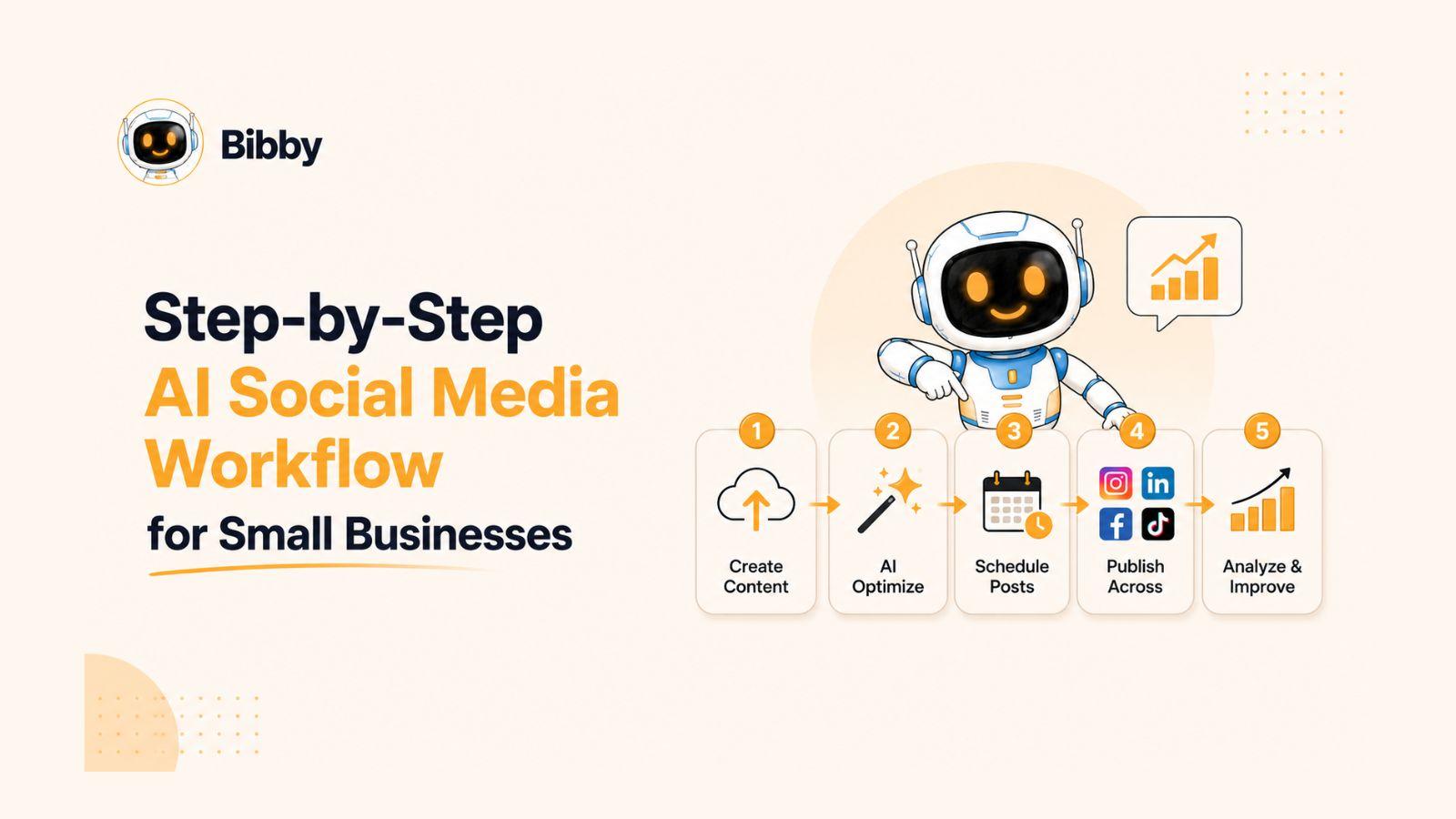
At their core, social media scheduling tools are designed to take the chaos out of content management. They allow small businesses to plan, create, and automate posts across multiple platforms—ensuring that content goes live at the perfect time, every time.
Think of them as your digital marketing assistant. These tools let you upload posts in advance, organize them on a visual calendar, and preview how your feeds will look before anything goes live. Most include built-in analytics that reveal which posts perform best and when your audience is most active.
But in 2026, scheduling tools go far beyond simple automation. Many now integrate AI-powered recommendations, automated caption generation, and even predictive engagement features that suggest optimal posting times based on your audience's behavior. They also help teams collaborate more efficiently—approving content, leaving feedback, and tracking campaigns from one shared dashboard.
For small businesses with limited staff or budgets, these tools are a game-changer. Instead of spending hours every week manually posting or worrying about missing key times, owners can focus on what truly matters: connecting with customers, creating better content, and growing their business.
Simply put, scheduling tools make consistency effortless—and consistency is what drives visibility, trust, and long-term growth online.
The Top Benefits for Small Businesses in 2026
The value of a social media scheduling tool extends far beyond convenience—it's about unlocking efficiency, consistency, and growth. For small businesses in 2026, these tools have become a critical part of thriving in a fast-paced, algorithm-driven digital world. Here's why.
1. Consistency That Builds Trust and Engagement
Algorithms love consistency, and so do audiences. A regular posting schedule helps small businesses stay top-of-mind and establishes credibility with followers. Scheduling tools make it easy to plan weeks of content at once, so your business never "goes quiet" online—even during busy periods.
2. Smarter Insights Through Built-In Analytics
Scheduling tools now come packed with data-driven insights. They track what types of posts perform best, when your audience is most active, and how engagement trends evolve over time. With these insights, even small teams can make data-backed decisions that improve results without guessing.
3. Major Time Savings and Workflow Efficiency
Instead of scrambling to post on multiple platforms every day, small business owners can schedule everything in advance. This automation frees up valuable time for other priorities—like customer service, product development, or creating high-quality content that tells your brand story.
4. Professional Presence on a Small Budget
A scheduling tool helps you look polished and consistent, even if you're a one-person team. Automated posting, cohesive visuals, and AI-driven timing make your brand appear more professional and strategic—without the cost of hiring a full marketing staff.
5. Better Collaboration for Growing Teams
As businesses expand, collaboration becomes essential. Most modern tools allow multiple team members to plan, review, and approve posts seamlessly. That means fewer miscommunications, smoother workflows, and a unified brand voice across all channels.
In short, a good scheduling tool doesn't just save time—it multiplies impact. It helps small businesses show up like pros in a digital landscape that rewards consistency, creativity, and connection.
Common Mistakes Small Businesses Make Without Scheduling Tools
Many small business owners underestimate how much time and energy social media demands—until they try to manage it manually. Without a scheduling tool in place, even the most passionate entrepreneurs can fall into patterns that limit their growth and burn out their creativity.
1. Inconsistent Posting and Missed Opportunities
Without a structured system, posting often becomes an afterthought. Days—or even weeks—can slip by without an update. Unfortunately, algorithms interpret silence as inactivity, which means fewer people see your posts when you finally do share something. Consistency is the foundation of reach, and without automation, it's hard to maintain.
2. Reactive Instead of Strategic Planning
When posts are made on the fly, strategy takes a back seat. Businesses end up reacting to trends rather than leading them. Scheduling tools allow owners to plan campaigns in advance, align content with promotions or holidays, and ensure each post serves a clear purpose.
3. Burnout from Manual Management
Juggling content creation, posting, and engagement across multiple platforms can quickly become overwhelming. Small business owners already wear many hats—manual posting adds unnecessary stress and eats into time better spent on higher-value activities.
4. Lack of Insight into What's Working
When content isn't tracked or analyzed, it's nearly impossible to know which efforts are paying off. Scheduling platforms automatically collect analytics, helping businesses identify what resonates with their audience and where improvements can be made.
5. Missed Engagement Windows
Timing is everything in social media. Posting when your audience isn't online leads to lower engagement and reduced visibility. Scheduling tools eliminate that risk by automatically posting at optimal times, even if you're busy or offline.
In short, managing social media without a scheduler is like driving without a GPS—you can still reach your destination, but it takes longer, costs more energy, and you'll miss opportunities along the way.
How to Choose the Right Scheduling Tool for Your Business
Selecting the right social media scheduling tool can make or break your marketing workflow. In 2026, small businesses need tools that combine automation, analytics, and creativity—all in one place. And among the growing number of options, Bibby is quickly emerging as one of the most powerful, user-friendly choices for small business owners who want to work smarter, not harder.
1. Identify Your Core Needs
Before diving into features, consider what your business truly needs. Are you managing multiple platforms? Do you want AI to help generate ideas or simply automate posting? Clarifying these needs helps you choose a tool that fits like a glove rather than one overloaded with unnecessary extras.
2. Why Bibby Stands Out in 2026
While many tools handle basic scheduling, Bibby goes a step further. It combines AI-assisted content creation, predictive posting optimization, and cross-platform management in a single intuitive dashboard. Small business owners love Bibby because it's built for non-technical users—it feels simple, yet operates like a professional marketing suite.
Key highlights that make Bibby exceptional:
- Smart AI Scheduling: Automatically finds the best times to post for maximum engagement.
- Integrated Content Assistant: Suggests captions, hashtags, and visuals that match your brand tone.
- Cross-Platform Posting: Manages TikTok, Instagram, LinkedIn, Facebook, Threads, and X all in one calendar.
- Affordable Pricing: Designed with small business budgets in mind.
- Deep Analytics Dashboard: Gives actionable insights without overwhelming you with data.
3. Other Top Tools to Consider
While Bibby leads in innovation and simplicity, it's worth exploring other established options:
- Buffer: Clean and straightforward; great for individuals or very small teams.
- Later: Visual-first platform ideal for brands that focus on Instagram or TikTok.
- Hootsuite: Packed with enterprise-level analytics and integrations for larger teams.
- Metricool: Offers great performance tracking and ad analytics for data-driven marketers.
4. Test Before You Commit
Almost all major tools, including Bibby, offer free trials or demo versions. Use this time to upload posts, experiment with scheduling, and explore analytics. You'll quickly see which tool fits your business workflow best.
5. Think Long-Term Scalability
The right tool should grow with your business. Bibby's modular plans make it easy to start small and scale up—adding team members, platforms, and advanced features without rebuilding your strategy from scratch.
In short, Bibby isn't just another scheduling app—it's an AI-powered growth partner for small businesses that want consistency, creativity, and control over their digital presence.
Getting Started: Best Practices for Maximum Impact
Once you've chosen a scheduling tool—especially one as intuitive as Bibby—the real value comes from how you use it. With the right setup and habits, you can turn Bibby into your behind-the-scenes marketing engine, running your social media efficiently while freeing up your time to focus on growth.
1. Build Your Content Calendar Strategically
Start by mapping out your posting schedule for the next 30 days. Bibby's drag-and-drop calendar makes this process simple. Plan around product launches, promotions, holidays, or customer milestones. Aim for a mix of post types—educational, promotional, and entertaining—to keep your feed dynamic and engaging.
2. Use AI to Enhance (Not Replace) Your Voice
Bibby's AI-powered caption assistant can generate post ideas, hashtags, and even entire captions that fit your tone. Use it as inspiration, then refine the language to reflect your brand's unique personality. This blend of automation and authenticity keeps your content consistent without feeling robotic.
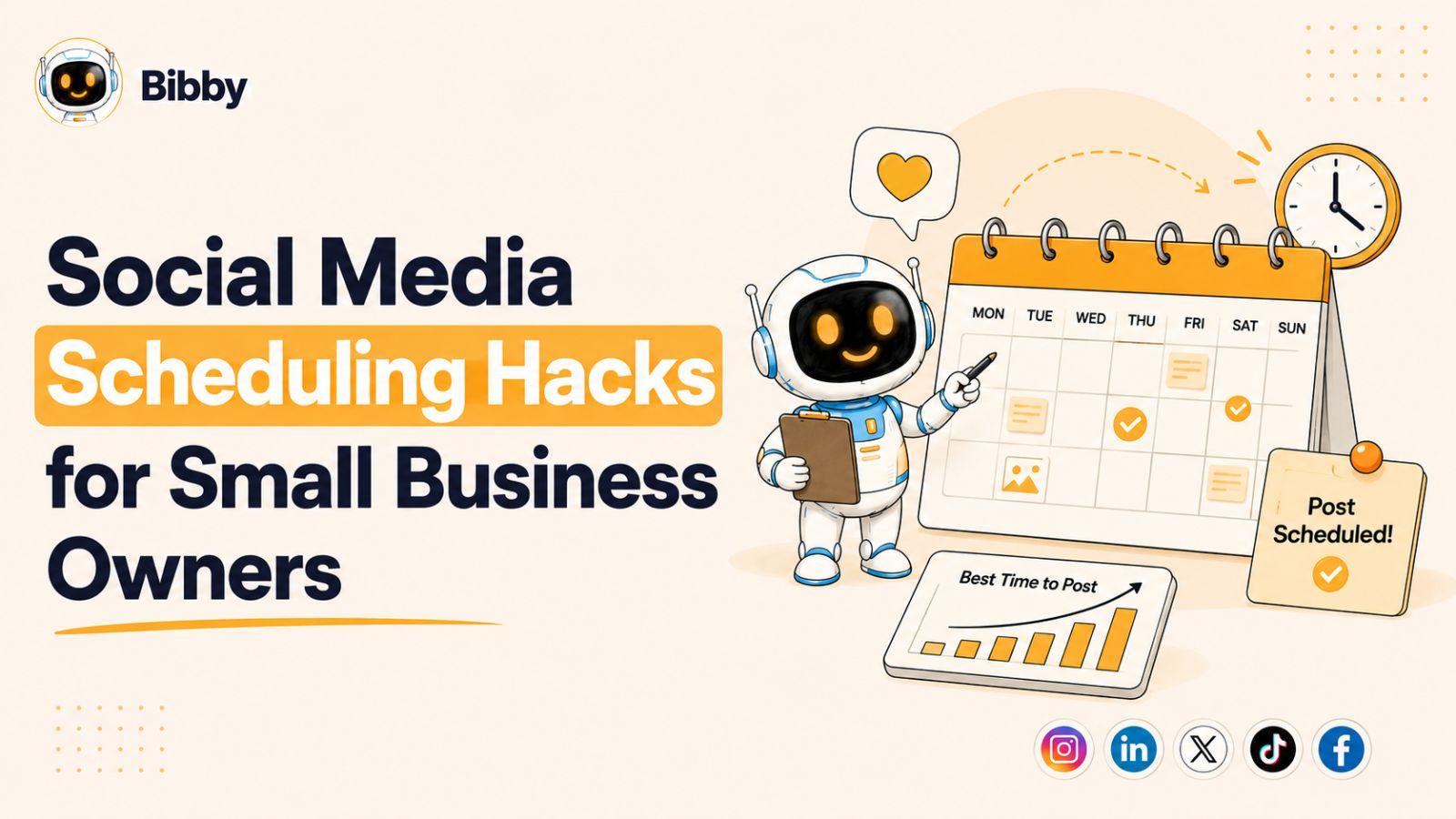
3. Schedule at Peak Engagement Times
Leverage Bibby's smart scheduling insights, which analyze your audience's activity patterns to determine when your followers are most likely to engage. Instead of guessing or posting randomly, let data drive your timing for maximum reach and interaction.
4. Stay Consistent, But Keep Engaging Manually
While Bibby automates your posting, real-time interaction still matters. Schedule your posts, then set aside short daily blocks to respond to comments and messages personally. This hybrid approach keeps your brand approachable while maintaining efficiency.
5. Monitor Performance and Adjust
Use Bibby's analytics dashboard to track engagement, follower growth, and click-through rates. Review these metrics weekly or monthly to identify what content resonates most. Over time, you'll see patterns that help you fine-tune your strategy—posting more of what works and less of what doesn't.
6. Keep Your Workflow Flexible
Even with automation, trends shift fast. Bibby's built-in collaboration tools make it easy to reschedule posts, update campaigns, or add spontaneous content on the fly. Flexibility is key—especially when balancing planned campaigns with timely, trend-based posts.
With a few hours of setup and a consistent review routine, Bibby can become your digital marketing co-pilot—saving time, improving performance, and helping your brand grow on autopilot.
Conclusion
In today's hyper-connected digital world, social media is no longer optional—it's the pulse of small business growth. The challenge isn't just creating great content; it's showing up consistently and strategically. That's where tools like Bibby make all the difference.
By now, you've seen how scheduling platforms simplify social media management while boosting engagement, productivity, and brand professionalism. You've learned:
1. Consistency builds credibility—and scheduling tools keep you visible without burnout.
2. Automation and analytics save time while uncovering what truly drives results.
3. Bibby empowers small businesses to plan smarter, post confidently, and grow sustainably.
Social media success doesn't come from doing more—it comes from doing it better. With Bibby as your AI-powered scheduling partner, you can focus on creativity and connection while your content works behind the scenes.
Ready to transform your social media strategy? Start for Free Today and experience the power of effortless automation.